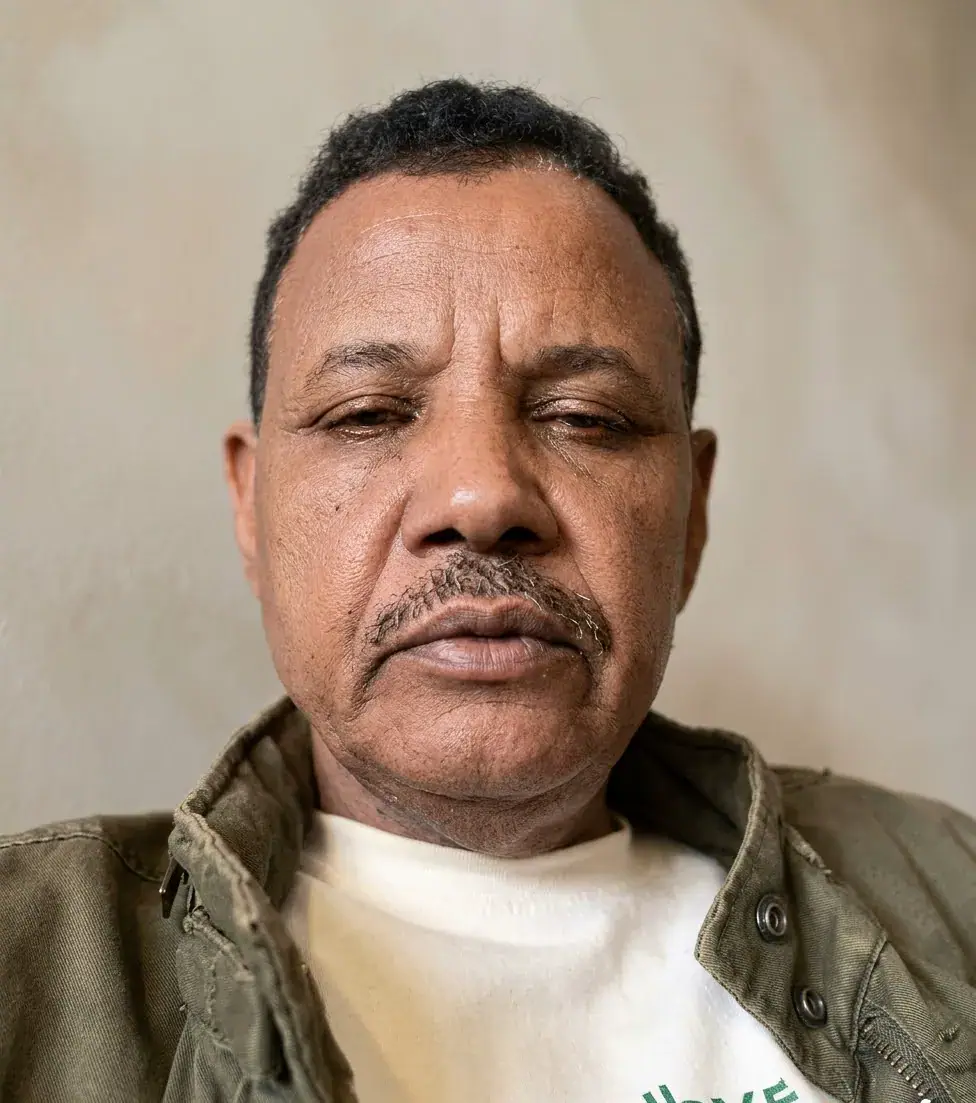
Yousuf Ezzat, a former advisor to the leader of Sudan's Rapid Support Forces militia, has been released from a Chadian prison after being detained for over a year and three months. According to reports, Ezzat's release was ordered by the Chadian prosecutor's office. In a video message, Ezzat confirmed his release and assured his family and friends that he is safe and no longer in Chad.
Ezzat expressed gratitude to countries with which he has ties, as well as his friends and family, for their efforts in securing his release. He specifically praised his sister, Mona Ezzat, who traveled to Chad to follow up on his case and work towards resolving his situation. Ezzat also acknowledged the support of his family during his detention, saying he appreciates their resilience and solidarity.
However, Ezzat's message also contained veiled criticisms, warning that he is aware of the circumstances surrounding his detention and cautioning against any party claiming credit for his release. He stated that those who were responsible for his detention cannot be the ones to claim they freed him. Ezzat emphasized that there is no need for what he termed as "theatrics" in this matter.
Ezzat revealed that he is now outside Chad and plans to discuss the details of his case and the circumstances surrounding his detention at a later time. He also mentioned that he is in a country whose passport he holds and that has supported him throughout his ordeal. This development comes after Ezzat's family announced his detention by Rapid Support Forces elements following his resignation as advisor to the militia's leader.
It is worth noting that Yousuf Ezzat holds Canadian citizenship and possesses a Canadian passport. His detention and subsequent release have garnered attention given his high-profile position and the geopolitical context of Sudan and its neighboring countries. Ezzat's situation highlights the complexities and challenges faced by individuals in Sudan's volatile political landscape.
The Rapid Support Forces, a powerful militia in Sudan, have been involved in various conflicts and political developments in the region. Ezzat's resignation and detention underscore internal dynamics within the militia and the broader Sudanese political arena. His release may have implications for the militia and its leadership, as well as for Sudan's relations with neighboring countries like Chad.
Ezzat's case also raises questions about the treatment of detainees and the rule of law in Chad and Sudan. His detention and release highlight the need for greater transparency and accountability in the handling of such cases. As Ezzat plans to share more details about his experience, his story may shed more light on these issues and their implications for the region.
Key points
- Yousuf Ezzat's release from Chadian prison after over a year of detention.
- Ezzat's gratitude to countries, friends, and family for their efforts in securing his release.
- The implications of Ezzat's detention and release for Sudan's political landscape and the Rapid Support Forces militia.