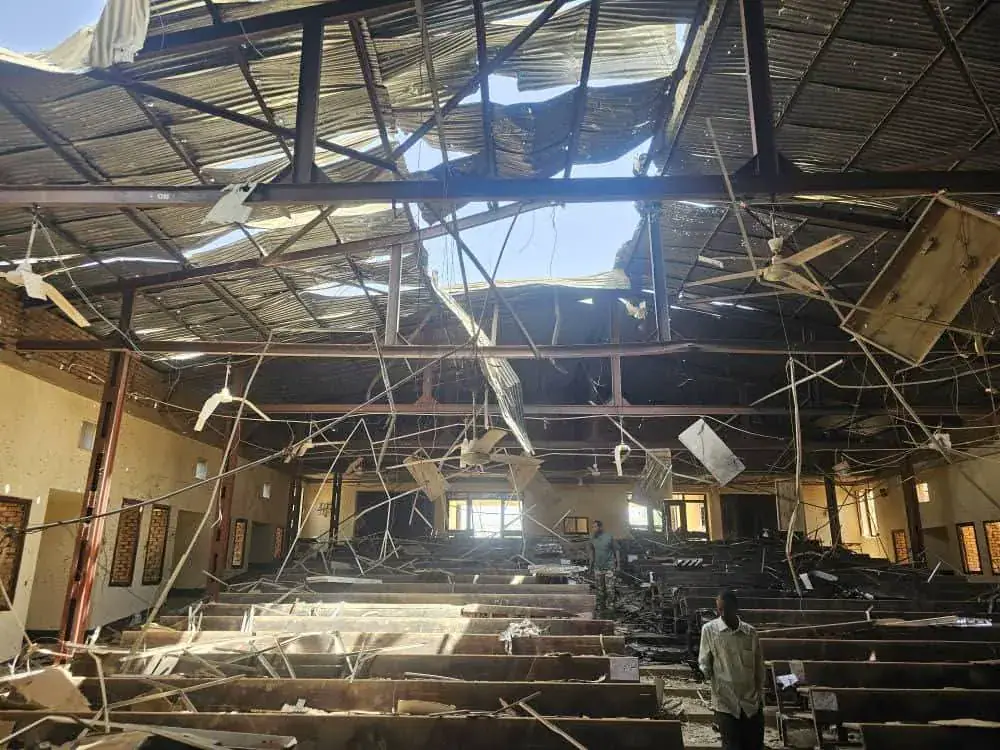
Sudan's women journalists have strongly condemned the increasing use of drones by both sides in the country's ongoing war, citing the devastating impact on civilian lives, infrastructure, and essential services. They have called for an immediate halt to attacks on populated areas and respect for international humanitarian law. The journalists warn that the consequences of these attacks are dire, with civilians, including women, children, older people, and people with disabilities, being targeted in markets, displacement centers, shelters, mosques, and residential neighborhoods.
Journalist Madiha Abdullah told Radio Dabanga that the escalation in drone use by the Sudanese army, the Rapid Support Forces (RSF), and their allied groups represents a dangerous development in the war. She stated that UN and international reports have documented the use of drones to target civilian areas, resulting in loss of life, injuries, and damage to infrastructure, including electricity stations, healthcare facilities, and water pumps. This has deprived residents of essential services, including water, electricity, and medical treatment, and disrupted their daily lives.
Abdullah emphasized that the attacks have not only taken lives but also destroyed or disrupted vital facilities, including hospitals, schools, and water and electricity stations. She noted that condemnations of drone attacks by the UN Human Rights Office and international and regional bodies reflect the scale of the risks and violations facing civilians. Abdullah called for precautionary measures to protect civilians, an extension of the arms embargo to cover all of Sudan, and accountability for those responsible for violations.
Journalist Hiyam Taj Al Sar also condemned the continued escalation in the use of drones and other weapons, describing attacks on civilian areas and service facilities as a dangerous escalation that is worsening the suffering of residents. She called on both sides of the war to immediately stop using drones inside cities and residential neighborhoods, protect civilians, and secure safe corridors for humanitarian aid to ensure that essential supplies reach those affected.
Al Sar urged civil society and the international community to pay greater attention to the war in Sudan and assist women and children, who have become increasingly vulnerable to attacks as military operations move into cities, markets, hospitals, and other places where civilians are present. She stressed that the continuation of the war would not end the suffering of the Sudanese people and called for the parties to reach the negotiating table.
Journalist Samar Suleiman Abbas condemned the use of drones by both sides in the war, citing the resulting loss of civilian lives and damage to essential services and infrastructure. She told Radio Dabanga that the continued targeting of water and electricity stations, hospitals, and schools is worsening the suffering of the Sudanese people. Abbas called on both sides of the conflict to stop attacks on populated areas and comply with international law.
The use of drones in Sudan's war continues to escalate, with UN and human rights reports documenting civilian deaths and injuries, as well as the targeting of markets, displacement centers, shelters, and residential neighborhoods. The journalists' condemnation of drone use highlights the need for an immediate and unconditional end to the conflict, as well as international pressure to hold those responsible for violations accountable and disarm the warring parties.
Key points
- Sudanese women journalists condemn escalating drone use in war, citing humanitarian law violations and civilian casualties.
Reporting sources
- Sudan’s women journalists condemn use of drones in war · Radio Dabanga