The city of White, located in North Kordofan, Sudan, is grappling with a severe water crisis. The conflict has damaged key components of its water system, leaving thousands of residents struggling to access clean drinking water. Prior to the conflict, the city's water system served nearly half a million people. However, with the influx of displaced persons from Kordofan and Darfur, the city's population has swelled, putting immense pressure on its limited resources.
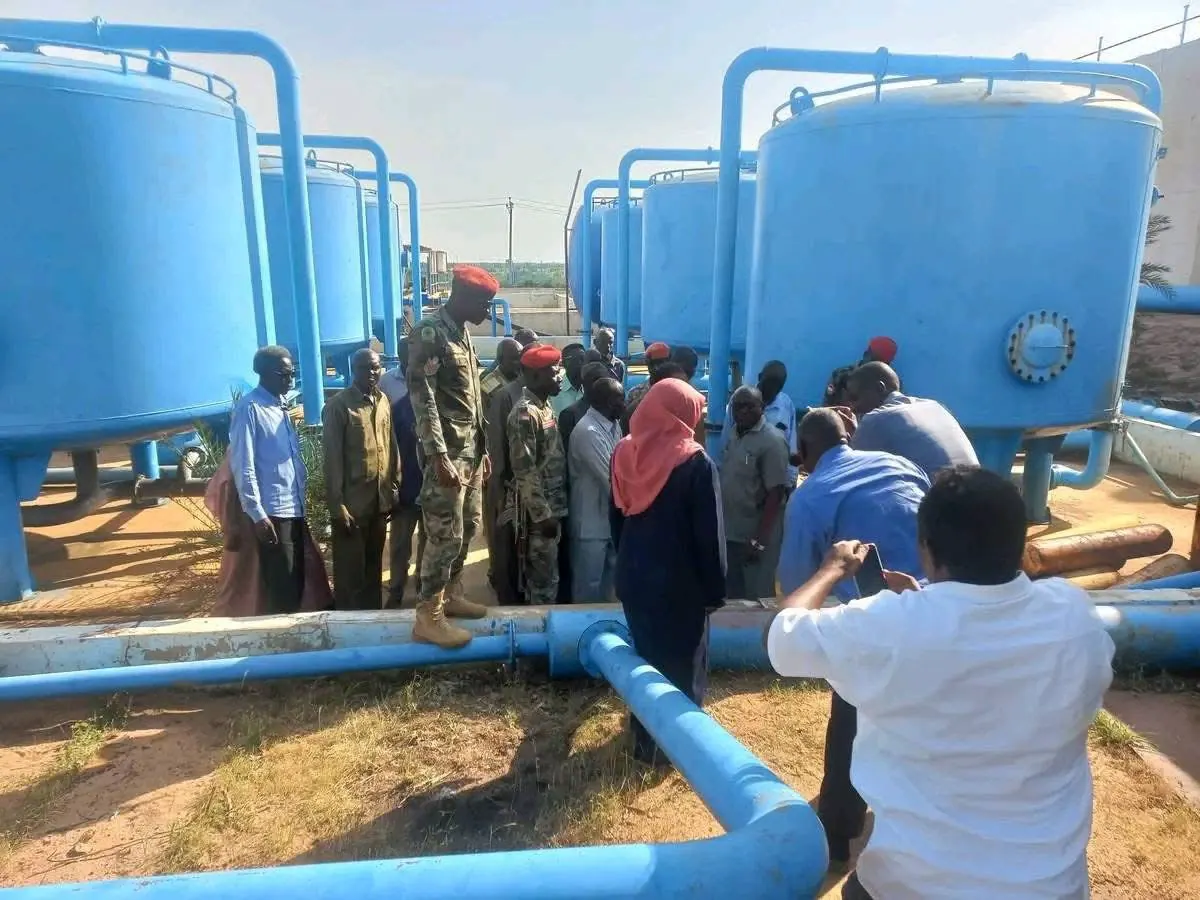
The water crisis in White is not just about the scarcity of water but also the inability to extract, pump, and distribute it. The area of Al-Seder, which was a significant source of groundwater, has been damaged and looted by Rapid Support Forces. Although the area has been recaptured, the water infrastructure remains non-functional. Similarly, the water facilities in the south, which rely on surface water from Berber, have been destroyed and have yet to be restored.
The situation is further complicated by the electricity crisis, which disrupts water pumping operations. The city's water facilities lack the necessary equipment and technical personnel to manage and operate the system effectively. A report published in September documented damage to four key components of the White water system, including Berber, Wod El-Baqa, and Al-Dankoj. The report also noted a decline in water levels in Berber's reservoirs.
Within the city, many neighborhoods have been without regular water supply for extended periods, sometimes years. Residents are forced to seek alternative sources, including purchasing water from vendors at exorbitant prices. The cost of a water barrel has decreased with the onset of the rainy season but remains a significant burden on households already struggling with food, fuel, and transportation costs.
In response to the crisis, local authorities and humanitarian organizations have initiated emergency measures, including drilling new wells within the city. However, these efforts are insufficient to address the scale of the problem. The White city needs a comprehensive overhaul of its water system, including rehabilitation of its main sources, transportation, and distribution networks.
Another challenge facing the city is the presence of saline groundwater, which requires treatment before consumption. With the massive influx of displaced persons, the city's population has nearly doubled, putting additional strain on its water resources. Humanitarian organizations are providing assistance, but a sustainable solution requires a long-term plan to rebuild and restore the city's water infrastructure.
The international community's support is crucial in addressing the water crisis in White. The city's residents require not only emergency aid but also a comprehensive plan to rebuild and restore its water system. This includes providing funding, expertise, and equipment to rehabilitate the damaged infrastructure and ensure a stable and safe water supply for its residents.
Key points
- The conflict has damaged key components of White city's water system, leaving thousands without access to clean drinking water.
- The city's population has swelled due to the influx of displaced persons, putting immense pressure on its limited water resources.
- A comprehensive overhaul of the water system, including rehabilitation of its main sources and distribution networks, is necessary to address the crisis.