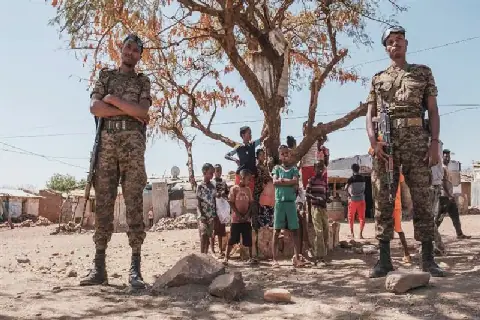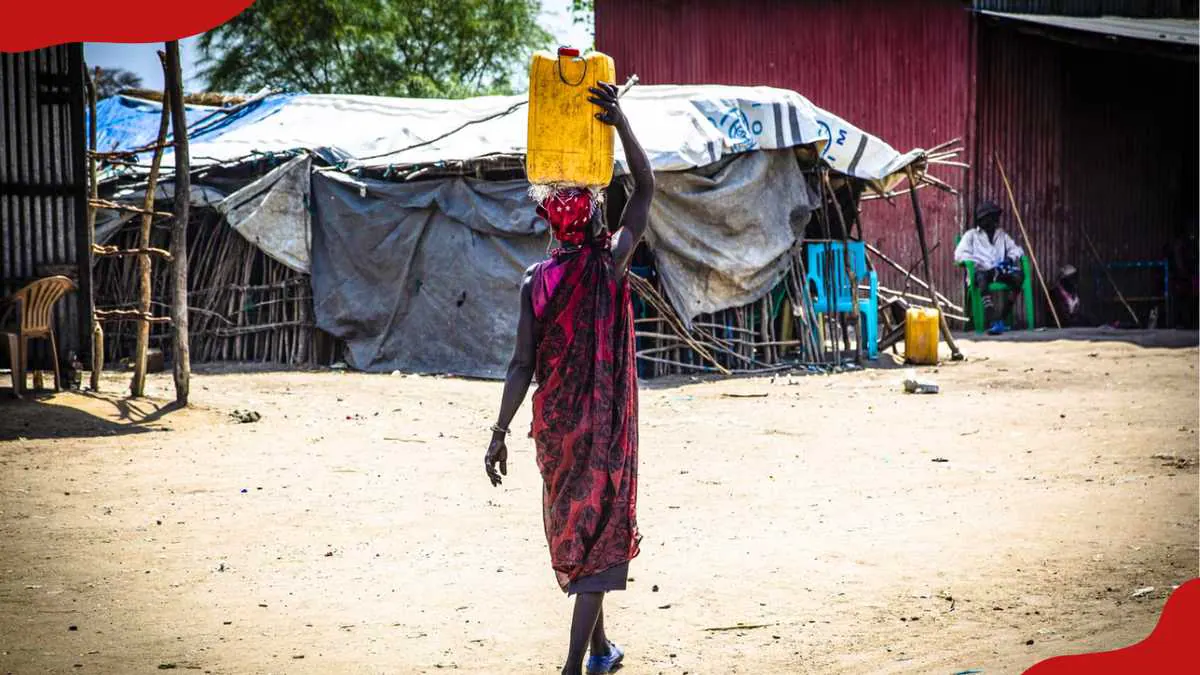
Sudan's humanitarian crisis is intensifying due to drought, water shortages, food insecurity, and the ongoing war that started in April 2023. In North Darfur State, residents of Ain Siro in Kutum locality are struggling to access water, with over 1,000 people gathering daily around a single exhausted well. This situation highlights the growing pressure on scarce water resources and the bitter struggle for survival.
The drought in Ain Siro has struck with greater severity this year than in previous years, arriving earlier than usual in June. According to Musa Abu Bakr, a Sudanese citizen, the early drought is a warning of a potentially devastating humanitarian situation. The climatic shift warns of an unprecedented water and humanitarian catastrophe that is consuming the area's residents' resilience and ability to survive.
The Ain Siro Emergency Room raised the alarm on September 7, 2026, warning about the deteriorating humanitarian and environmental situation. The report highlighted the combination of prolonged drought, damaged crops, and severe shortages of water and animal fodder, creating serious risks for both people and livestock. The Emergency Room issued an urgent appeal to humanitarian organizations, donors, and benefactors to intervene rapidly.
Sudan is facing one of the world's most severe food emergencies, with 19.5 million people experiencing high levels of acute food insecurity. The Food and Agriculture Organization (FAO) estimates that 14 areas in North Darfur, South Darfur, and South Kordofan are at risk of famine under a worst-case scenario. The strong and persistent El Niño phenomenon has added another concern for Sudan's food security outlook.
The FAO reported that Sudan's cereal production in 2025 was approximately 5.2 million tonnes, 22% lower than the 2024 output and 19% below the average production of the previous five years. The decline is linked to the effects of the war, disruptions to agricultural operations and supply chains, and shortages and higher prices for essential farming inputs.
The United Nations has called for greater international mobilisation to help Sudan respond to the overlapping effects of conflict, hunger, and climate-related shocks. The FAO's 2026–2028 emergency and resilience response requires substantial funding, with a current emergency and resilience portfolio for Sudan standing at $44.1 million against an appeal of $193 million.
The humanitarian situation in Sudan continues to worsen, with the country's political and military priorities remaining heavily focused on the war. The United States has maintained allegations that Sudanese government forces used chemical weapons in 2024, adding to the complexity of the crisis. The international community is urged to provide support to address the humanitarian needs of the affected populations.
Key points
- Over 1,000 people in Ain Siro, North Darfur, rely on a single exhausted water well.
- Sudan's cereal production in 2025 was 22% lower than the 2024 output.
- The FAO's 2026–2028 emergency and resilience response for Sudan requires $193 million in funding.