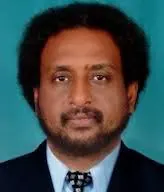
Sudan's Vice-President Malik Agar has revealed that the United Arab Emirates (UAE) has refused to engage in dialogue with Sudan, despite multiple attempts. In a recent video recording, Agar stated that the UAE has expressed concerns about incurring significant losses in Sudan during the ongoing conflict. The UAE allegedly claims it wants compensation for these losses, which it attributes to its support for the Rapid Support Forces (RSF) against the Sudanese people.
Agar's comments have sparked controversy, with many questioning the UAE's motives. The Sudanese government has not officially responded to the UAE's demands, but Agar emphasized that Sudan should instead seek compensation from the UAE for the damage caused by the war. He argued that the estimated losses to Sudan's economy and people exceed $3.5 trillion, a figure significantly higher than any reported estimates.
The Sudanese people have suffered greatly during the conflict, with many losing their livelihoods, homes, and loved ones. Critics argue that the government has not done enough to support those affected or hold accountable those responsible for the violence. Agar's comments have reignited calls for the government to prioritize the needs of its citizens and seek justice for the victims of the conflict.
The conflict in Sudan has resulted in significant humanitarian and economic costs. The war has displaced thousands of people, and many more are facing food and water shortages. The Sudanese economy has also suffered greatly, with inflation rates skyrocketing and the local currency, the Sudanese pound, depreciating rapidly.
Agar's statement has also raised questions about the role of external actors in the conflict. The UAE's support for the RSF has been widely reported, and many argue that this interference has exacerbated the situation. Sudan's government has been criticized for its handling of the conflict and its failure to protect its citizens.
In response to Agar's comments, many Sudanese citizens have expressed frustration with the government's inaction. They argue that the government has failed to provide adequate support to those affected by the conflict and has not done enough to hold external actors accountable. There are growing calls for the government to take a stronger stance and prioritize the needs of its citizens.
The situation in Sudan remains volatile, with ongoing clashes and humanitarian concerns. The international community has called for a peaceful resolution to the conflict, but efforts to date have had limited success. As the situation continues to unfold, it remains to be seen how Sudan's government will respond to the crisis and whether it will prioritize the needs of its citizens.
Key points
- Sudan's Vice-President Malik Agar says UAE refuses dialogue, seeks compensation for losses in Sudan war.
- Agar argues that Sudan should instead seek $3.5 trillion in compensation from UAE for war-related damages.
- The conflict in Sudan has resulted in significant humanitarian and economic costs, with many calling for government action to support affected citizens.