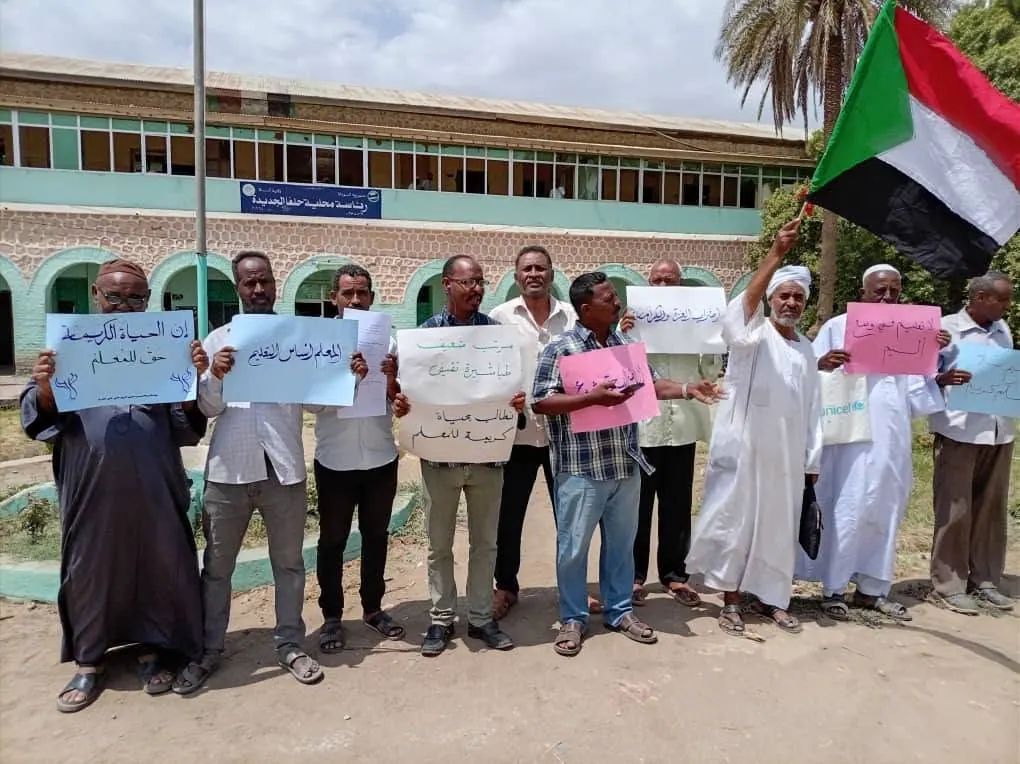
On World Teachers' Day, October 5, Sudan's education sector faces significant challenges. The country is in the midst of a war that has disrupted all aspects of life, including education. This has resulted in a substantial learning gap for tens of thousands of students. Teachers are struggling with low salaries that barely cover basic expenses, leading many to seek additional employment and compromising their ability to effectively teach.
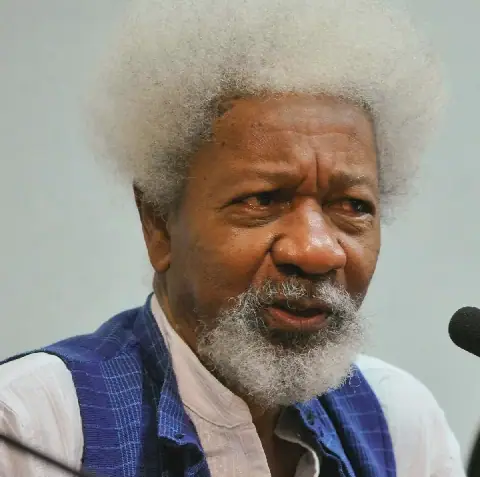
According to Ali Said, a curriculum expert and leader of the Popular Initiative for Education, teachers are the backbone of the education system. He emphasized that without a well-supported teaching force, the quality of education will suffer. Said called on the government to prioritize teachers' welfare, suggesting that their salaries should be the highest in the country. This, he believes, will enable them to focus on their work without distraction.
The current situation for teachers in Sudan is dire. Many are forced to take on additional jobs to make ends meet, leaving them little time or energy for their primary role as educators. Said pointed out that teachers play multiple roles, including educator, mentor, and administrator, making their work exceptionally demanding. He argued that providing teachers with necessary resources, such as textbooks, educational technology, and comfortable working conditions, is essential for improving education.
Said also highlighted the need for the government to provide teachers with benefits such as free housing, travel opportunities, and access to affordable educational tools. He criticized the current practice of teachers relying on private tutoring to supplement their income, which undermines the value of their profession. Furthermore, Said expressed concern about the government's response to teachers' demands, which often involves arrest and intimidation rather than constructive dialogue.
The challenges facing Sudan's education sector are exacerbated by the ongoing conflict, which has diverted a significant portion of the budget to defense. Said argued that this approach is misguided, as the real battles to be fought are against disease and ignorance. He advocated for a substantial increase in funding for education and healthcare, suggesting that these sectors should receive at least 75-80% of the budget.
The state of education in Sudan has led to a situation where many schools are now private, and education has become a commodity. This has resulted in a system where access to quality education is often determined by a family's financial means. Said lamented the loss of community-driven schools, which were once established by charitable individuals and organizations to provide free or low-cost education to those in need.
As World Teachers' Day comes to a close, Sudan's teachers continue to face significant challenges. Despite these difficulties, Said expressed hope for a future where education is valued and supported. He called for an end to the conflict and a return to peace, which would allow Sudan's education sector to recover and thrive. Key points include the need for better teacher salaries, increased education funding, and improved working conditions for teachers.