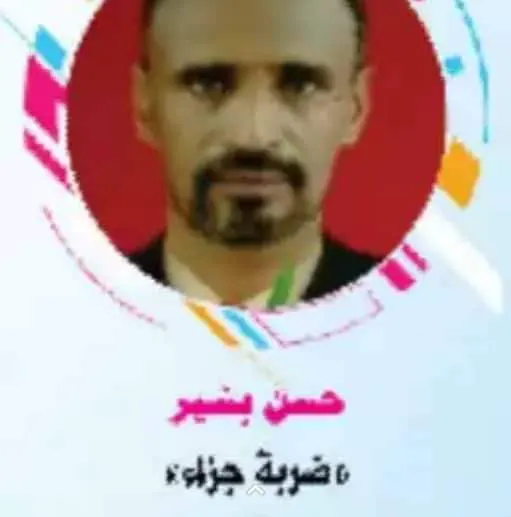
In a recent article, Hassan Bashir emphasized that Sudan's sovereignty should not be questioned, especially in matters concerning its top officials' travel. The discussion around the visa requirements for General Abdel Fattah al-Burhan, head of the Transitional Military Council, to enter the United States, highlights the complexities of Sudan's diplomatic relationships. Bashir stressed that Sudan has relationships with various countries across the globe, including Arab, African, Asian, and European nations.
The article argues that Sudan's peace process should be led by its own people, with international partners playing a supportive role. The peace agreement should address the root causes of the conflict, protect the country's unity, and establish a unified national army. This process should be driven by Sudanese stakeholders, as they are the ones who have suffered the most during the conflict. The international community can facilitate dialogue, provide humanitarian aid, and support peace efforts, but the ultimate decision should remain with the Sudanese people.
The concept of peace in Sudan should not be seen as a victory for one side over another but rather as a win for the state and its citizens over war. To achieve this, the country needs an inclusive dialogue that involves all stakeholders, a national reconciliation, and justice that upholds the rights of all citizens. A strong and unified institution, along with a constitution and laws that protect everyone, are essential for Sudan's progress.
The role of the military in Sudan's transition is crucial, but it should be understood within the context of protecting the state and its security. Meanwhile, political and civil forces should be integral to the dialogue and future-building process. The country needs a combination of roles, not a conflict between institutions. This balanced approach will help Sudan navigate its complex transition.
The issue of visa requirements for Sudanese officials should not limit the country's diplomatic engagement with the world. Sudan can maintain relationships based on mutual interests and respect. The country does not need a visa from any nation to assert its stance. What is essential is the strength of the state, the unity of its people, and the wisdom of its leadership.
Sudan's future depends on its ability to engage in constructive dialogue and build a consensus-driven approach to peace and stability. While external support is valuable, the ultimate responsibility for Sudan's peace and stability lies with its citizens. The country needs to move forward with a vision that prioritizes national interests and promotes a culture of peace.
The international community can play a supportive role in Sudan's peace process, but the onus is on the Sudanese people to take charge of their country's future. By working together and engaging in meaningful dialogue, Sudan can overcome its challenges and build a brighter future for its citizens. The country's sovereignty and independence are essential components of this process.
Key points
- Sudan's peace process should be driven by its own people with international support.
- The country's sovereignty and independence are crucial in determining its future.
- Sudan can maintain diplomatic relationships based on mutual interests and respect.