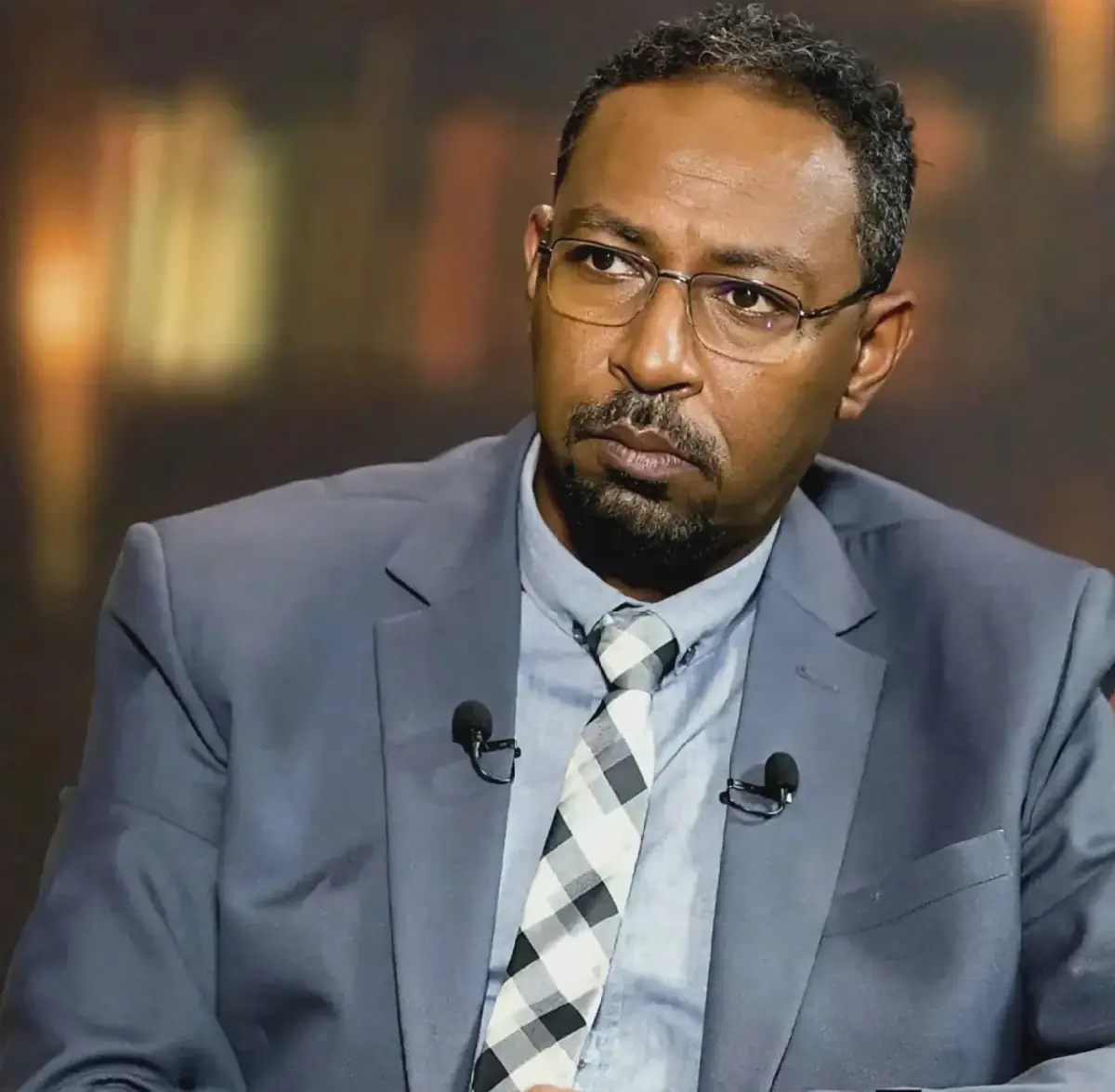
Sudan's Sovereign Council advisor, Dr. Amjad Farid, has warned against discussing a general political solution in Sudan without specific details. He believes this could lead to an unacceptable mix-up regarding the nature of the expected political settlement and the future of power in the country. Farid stated that any political solution cannot include the re-production of power-sharing equations with the Rapid Support militia or any other party.
Farid made these comments in a post on his X platform page. He emphasized that the equations that led to the war and political chaos that aborted the transition process after the revolution cannot be repeated. Those equations, he said, were among the factors that contributed to the outbreak of war. Farid indicated that the most that can be discussed with the militia, if they agree to disarm and dismantle their institutional existence, is negotiating procedures for integration and demobilization.
Alongside these negotiations, Farid mentioned that discussions on transitional justice and reconciliation should take place. He stressed that ending the war, regardless of the means, should be accompanied by democratic procedures to rebuild power structures based on popular legitimacy. This should be achieved through direct electoral legitimacy, not through what he described as a new elite mandate. Sudan has been experiencing intense conflict and political instability.
The conflict has resulted in significant human suffering and infrastructure damage. Efforts to achieve a peaceful resolution have been ongoing, with various stakeholders involved. However, the nature of the political settlement and the role of different parties in the transition process remain contentious issues. Farid's statements reflect the complexities of Sudan's political landscape.
The Sovereign Council advisor emphasized that any political solution must prioritize the country's stability and democratic transition. He highlighted the importance of legitimacy and the need for a clear and detailed plan for the transition process. Sudan's political future remains uncertain, with various scenarios being considered.
The situation in Sudan requires a comprehensive and inclusive political solution that addresses the root causes of the conflict. The involvement of different parties, including the Rapid Support militia, will be crucial in determining the country's future. However, as Farid indicated, their return to power is not an option. The international community has been closely monitoring the situation.
The international community has been urging a peaceful and democratic resolution to the conflict. Sudan's neighbors and international partners have a significant stake in the country's stability and prosperity. A lasting solution will require a concerted effort from all parties involved.
Key points
- Sudan's Sovereign Council advisor Amjad Farid rejects Rapid Support's return to power.