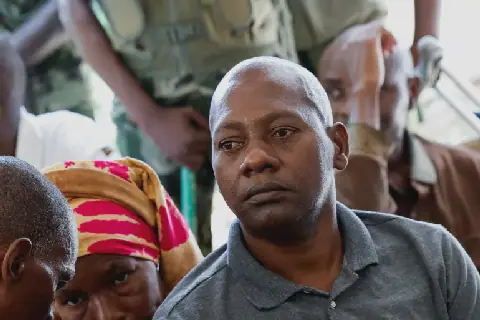
The social and psychological landscape of Sudanese families and individuals affected by displacement and migration is complex. Traditional bonds of solidarity and social cohesion coexist with pressures to adapt to new environments. However, excessive social interference and the blurring of boundaries between personal and public life can become a psychological and social burden. This can lead to exhaustion and hinder recovery and productivity.
Sudan's society is characterized by unique solidarity traits that have historically been evident during times of hardship and crisis. However, these positive attributes have undergone significant changes, leading to an increased emphasis on collective expectations at the expense of individual autonomy. From a young age, individuals are often subject to casual inquiries and interventions in their personal lives, which can become ingrained expectations.
As people navigate their lives, these expectations can transform into an open-ended system where individuals are expected to be constantly available to meet the obligations of relatives, acquaintances, and their social environment. This can lead to the erosion of individual identity within dominant collective norms. In the context of displacement and migration, these issues are further complicated as families face challenges in rebuilding their lives in new environments.
The absence of clear boundaries can have several consequences, including psychological and emotional exhaustion, living under constant scrutiny, and the depletion of resources. Individuals and their families may be denied the basic components of stability and growth. Furthermore, the inability to plan for oneself can lead to a decline in personal and professional priorities, hindering successful integration and productivity.
Overcoming this crisis requires a deep understanding that genuine human solidarity does not conflict with individual autonomy and privacy. Building a balanced society begins with empowering individuals to establish clear rules governing their relationships with their social environment. This involves redefining responsibility, recognizing individual priorities, and fostering a culture of mutual respect for personal boundaries.
To achieve this, it is essential to promote a culture that values individual autonomy and private spaces. This can be accomplished by setting boundaries, prioritizing individual needs, and providing support without compromising one's psychological and financial well-being. By doing so, Sudan's society can transform current challenges into opportunities for sustainable growth, success, and stability.
Ultimately, reengineering social relationships in displacement and migration contexts to respect individual autonomy and appreciate individual capacity is crucial. This will enable Sudan's society to navigate its complexities and create a more balanced and supportive environment for its citizens.
Key points
- Sudan's social dynamics face challenges in balancing individual autonomy with collective solidarity.
- The absence of clear boundaries can lead to psychological and emotional exhaustion.
- Empowering individuals to establish clear rules governing their relationships is essential for building a balanced society.