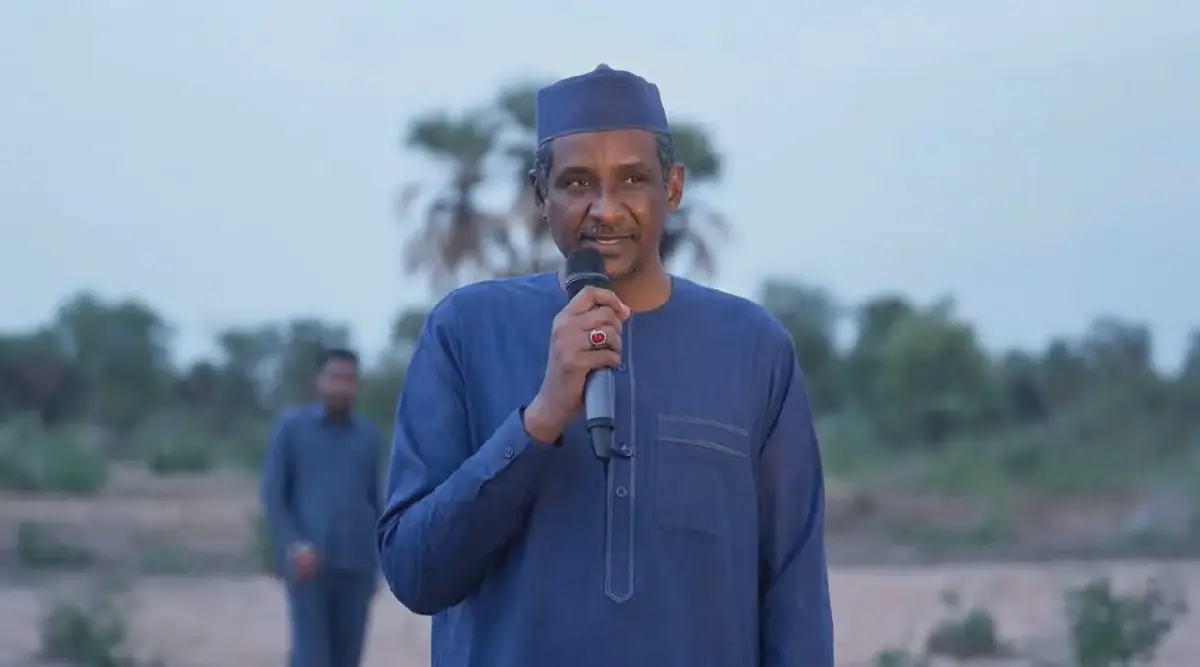
In a recent address to tribal leaders, Mohamed Hamdan, commander of Sudan's Rapid Support Forces, escalated his rhetoric against the Islamic Movement, accusing them of instigating tribal and economic issues. He vowed to expand the conflict to new areas, including Khartoum, Port Sudan, and other strategic locations. Hamdan's statements have heightened concerns about the country's stability and the potential for further violence.
Hamdan's speech was part of a broader effort to rally support from tribal leaders and administrators. He urged them to understand the need to "uproot" the Islamic Movement, which he claims is responsible for the country's problems. Hamdan's forces have been engaged in a long-standing conflict with the Sudanese government, and his latest statements suggest that the conflict may be far from over.
The Rapid Support Forces commander also criticized individuals who he claims are exploiting tribal affiliations for personal gain. He called on tribal leaders to distinguish between those with genuine concerns and those seeking to exploit them. Hamdan emphasized the need for equality and fairness in the treatment of all Sudanese citizens.
Hamdan expressed his rejection of the Sudanese dialogue, describing it as a "theatrical performance." He claimed that previous attempts at dialogue, led by ousted President Omar al-Bashir and current Sovereign Council head Abdel Fattah al-Burhan, have failed to produce meaningful results. Hamdan's stance on the dialogue has raised questions about the prospects for a peaceful resolution to the conflict.
Despite the challenges, Hamdan emphasized his commitment to building a new Sudan. He highlighted the country's natural resources and called for their responsible management. Hamdan also promised to apply the law equally to all citizens and to work towards establishing a state based on the rule of law and justice.
Hamdan touched on the issue of marginalization, claiming that all Sudanese citizens, from various regions, have been affected. He invoked the names of deceased leaders, including Dr. Khalil Ibrahim and Abdullah Abaker, suggesting that their presence could have prevented the current crisis. Hamdan's comments have sparked mixed reactions, with some viewing them as a genuine call for reform and others seeing them as a tactical move.
In conclusion, Hamdan stated that those who believe that peace has been achieved are "deceived." He vowed to continue pursuing his goals, even if he is no longer present. Hamdan hinted that positive developments may be expected in the coming days, although details were scarce. The reaction to his statements remains to be seen, as Sudan continues to navigate its complex and volatile political landscape.
Key points
- Mohamed Hamdan, commander of Sudan's Rapid Support Forces, threatens to expand conflict to new areas, including Khartoum and Port Sudan.
- Hamdan accuses Islamic Movement of fueling tribal and economic problems, and vows to "uproot" them.
- Hamdan rejects Sudanese dialogue, describing it as a "theatrical performance," and emphasizes his commitment to building a new Sudan.