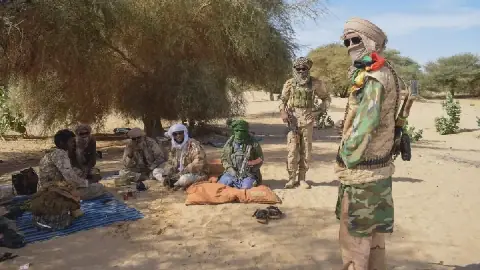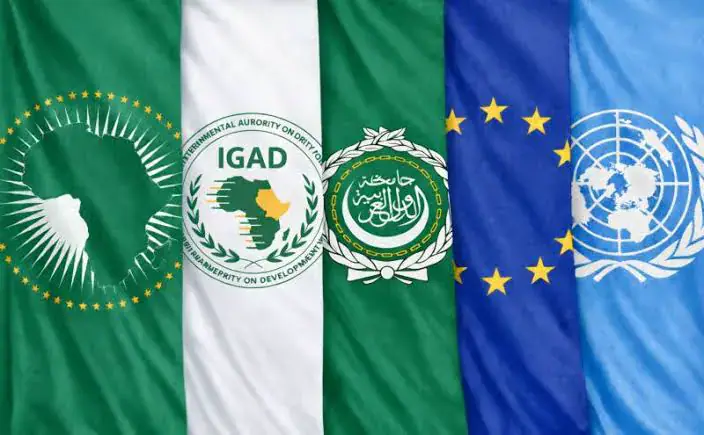
The Quintet Mechanism, comprising the African Union, UN, Arab League, IGAD, and EU, met with a delegation from the "Tassisi" entity in Addis Ababa, Ethiopia. According to sources close to the mechanism, they reaffirmed their stance of not recognizing any parallel government in Sudan. This meeting occurred amidst internal divisions within the mechanism regarding engagement with the entity. The international community also does not recognize any parallel government in the country.
The meeting addressed the mechanism's position on the "Tassisi" entity, which previously declined a visit from the Quintet Mechanism to Khartoum in September. In response, the mechanism reiterated its recognition of Sudan's existing government. Sources indicated that the African Union's commission and IGAD were initially hesitant to engage with "Tassisi," citing lack of recognition. However, the UN and EU supported the meeting.
The Arab League reportedly did not participate in the Addis Ababa meeting. This development highlights ongoing divisions within the Quintet Mechanism regarding interactions with the "Tassisi" entity. Despite these internal differences, the mechanism collectively emphasized its non-recognition stance.
Several Sudanese political forces have expressed discontent with the Quintet Mechanism's engagement with "Tassisi." These forces are considering boycotting future meetings if the mechanism continues to interact with the entity. This reaction underscores broader concerns about the legitimacy and implications of recognizing parallel governance structures in Sudan.
The Quintet Mechanism's engagement with "Tassisi" has sparked controversy among Sudanese stakeholders. The mechanism's insistence on non-recognition of parallel governments aligns with international consensus. However, internal divisions and external pressures may influence the mechanism's future interactions with various Sudanese entities.
The African Union, UN, Arab League, IGAD, and EU comprise the Quintet Mechanism, aiming to support Sudan's stability and governance. Their interactions with Sudanese entities are closely watched by stakeholders, both domestically and internationally. The mechanism's actions will likely have significant implications for Sudan's political landscape.
The situation surrounding the Quintet Mechanism's engagement with "Tassisi" remains fluid. Sudanese political forces and international observers are monitoring developments closely. The mechanism's next steps will be crucial in determining the trajectory of Sudan's governance and relations with international partners.
Key points
- The Quintet Mechanism reaffirms its non-recognition of any parallel government in Sudan.