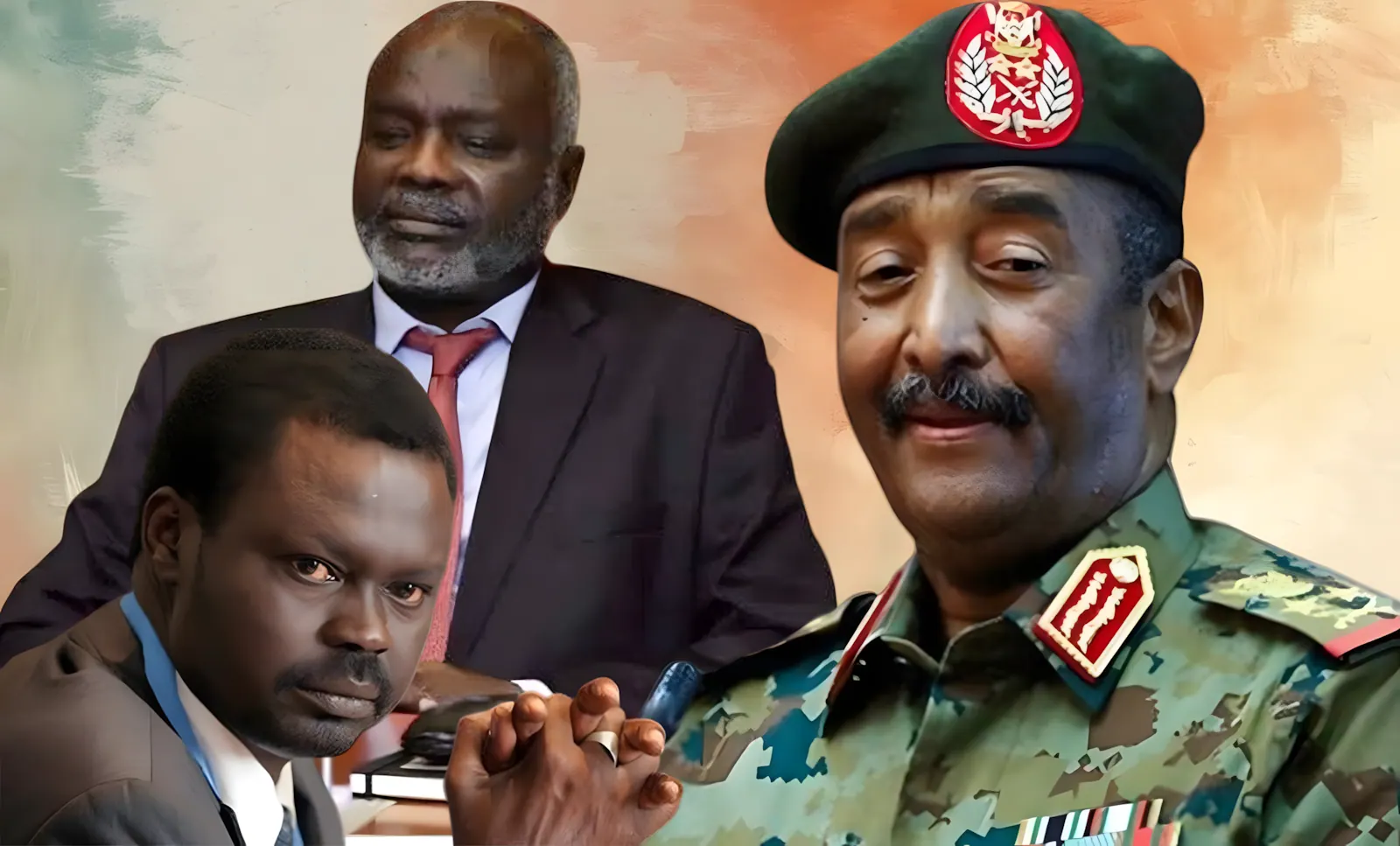
A recent meeting between General Abdel Fattah al-Burhan, Prime Minister Kamal Idris, and Finance Minister Jibril Ibrahim revealed escalating tensions within Sudan's ruling council in Port Sudan. Sources close to the council indicate that al-Burhan requested Ibrahim's resignation due to the country's economic woes, but Ibrahim refused, threatening escalation if removed from his position. This development highlights the deepening divisions within the council.
The power struggle in Port Sudan appears to center on control of key ministries and resources. Al-Burhan aims to limit the influence of armed groups, which have become major players in the council, holding over 80% of the power. These groups, including the Muslim Brotherhood, have significant sway over crucial sectors such as finance and mining. Ibrahim's refusal to step down has intensified the conflict, which could potentially destabilize the council.
The economic crisis in Sudan has exacerbated the situation, with the Sudanese pound experiencing a significant decline in value against the US dollar. The Muslim Brotherhood has been accused of manipulating the market to weaken the pound and undermine Ibrahim and Idris. This has sparked concerns that the infighting within the council may spill over into the broader political landscape.
Sources suggest that al-Burhan has long sought to reduce the influence of armed groups within the council. However, the Muslim Brotherhood and other groups have maintained their stronghold on power, thwarting al-Burhan's efforts. The current standoff has raised questions about the stability of the council and the potential for further fragmentation.
Observers note that the crisis in Port Sudan is not solely driven by economic factors but also by a deeper struggle for power and influence. The council's internal divisions have been simmering for some time, with various factions vying for control. The current crisis may be a catalyst for significant changes within the council.
Analysts believe that the power struggle in Port Sudan could have far-reaching consequences for the country. The involvement of armed groups and the Muslim Brotherhood has added complexity to the situation, raising concerns about the potential for violence and instability. The international community is closely monitoring the developments in Sudan, given the country's strategic importance in the region.
The situation in Port Sudan remains fluid, with many stakeholders holding a watching brief. The outcome of the power struggle will likely have significant implications for Sudan's future, including its economic trajectory and relations with neighboring countries. As the situation continues to unfold, one thing is clear: the stakes are high, and the consequences of inaction or miscalculation could be severe.
Key points
- Sudan's ruling council in Port Sudan is facing internal strife as General Abdel Fattah al-Burhan seeks to consolidate power.