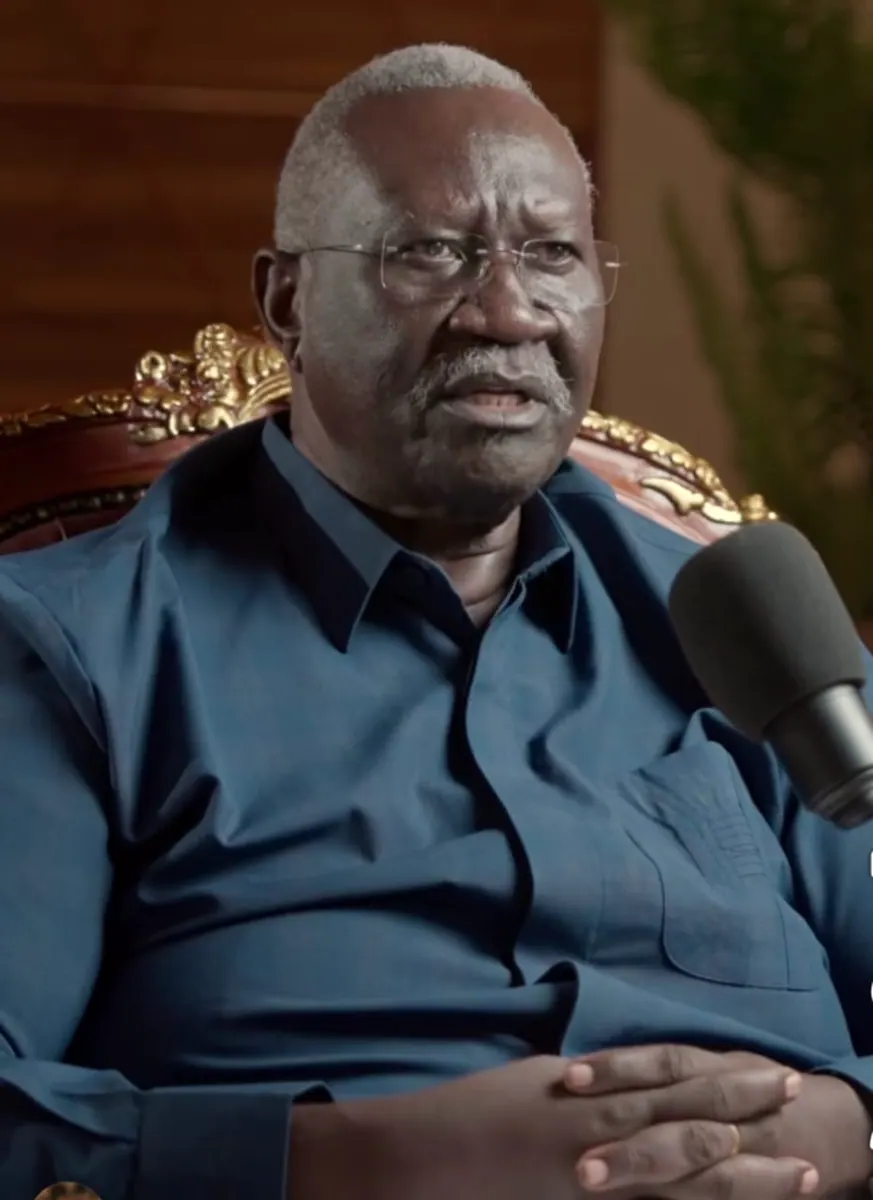
Malik Agar, the deputy head of Sudan's Transitional Sovereign Council, has expressed concerns over a proposed 90-day ceasefire put forth by the United States. In a recent interview on the "Sudan Podcast," Agar voiced his opposition to the plan, citing fears that it could lead to the division of the country. He drew parallels with the situation in Libya, where two rival systems coexist within one state, a scenario he deemed unacceptable for Sudan.
Agar emphasized that the US proposal could be a step toward dividing Sudan, reaffirming his rejection of this approach. According to him, implementing the ceasefire might result in a situation similar to Libya's, where two systems operate within a single country. This, he argued, could exacerbate conflicts rather than resolve them. Agar's comments reflect his apprehensions about the potential consequences of the proposed ceasefire on Sudan's unity and stability.
The proposed 90-day ceasefire, according to Agar, may not necessarily bring an end to the conflict. Instead, he warned that it could provide a window for parties to prepare for a resumption of hostilities once the period expires. This perspective underscores his skepticism about the effectiveness of the US plan in achieving lasting peace in Sudan.
Agar's statements have garnered significant attention amid ongoing efforts to address the conflict in Sudan. His concerns about the potential for division and the Libyan scenario resonate with broader fears about the country's future. The situation in Sudan remains volatile, with various stakeholders engaged in discussions to find a peaceful resolution.
The US proposal for a 90-day ceasefire is part of international efforts to halt the violence in Sudan. However, Agar's rejection of the plan highlights the complexities and challenges involved in negotiating a sustainable peace agreement. The Sudanese government and other stakeholders continue to engage with international mediators to explore viable solutions to the conflict.
Sudan has been embroiled in conflict, with tensions between different factions and groups contributing to the instability. The country's transitional period has been marked by significant challenges, including disputes over power-sharing and the integration of various military groups. Against this backdrop, Agar's comments underscore the need for a carefully considered approach to peace negotiations.
The rejection of the US proposal by Agar reflects the ongoing debates about the best way forward for Sudan. As the country navigates its transitional phase, leaders like Agar play a crucial role in shaping the peace process. The situation remains fluid, with multiple stakeholders involved in efforts to secure a lasting peace and ensure Sudan's stability.
Key points
- Malik Agar rejects US proposal for 90-day ceasefire, citing concerns over Sudan's unity.