Sudan's Khartoum state is embarking on an ambitious 10-year plan to recover and rebuild after years of war and destruction. The state's Supreme Council for Strategy and Information is leading the efforts, aiming to transform the state's governance, planning, and digital transformation. The council has developed a comprehensive strategy, including a 10-year plan and a five-year roadmap, to guide the state's recovery and reconstruction. This initiative seeks to address the challenges faced by the state and provide a framework for sustainable development.
The Supreme Council for Strategy and Information has transitioned from developing visions to monitoring implementation and evaluating performance across various state sectors. The council has begun conducting field evaluations of state government units to assess the implementation of projects, measure performance, and address obstacles. This approach enables the council to track progress, identify areas for improvement, and make informed decisions. By doing so, the council aims to ensure that the state's recovery and reconstruction efforts are effective and efficient.
A key aspect of the council's strategy is the digital transformation of the state's government. This includes developing information systems, electronic platforms, and rehabilitating damaged information centers. The state aims to expand the use of digital government services, introduce an electronic payment system, and improve citizen-government relations. Additionally, the council is working on completing information networks, fiber-optic cables, and a control room to support the state's digital infrastructure.
The war has not only damaged infrastructure but also affected the state's data and information systems. The council has announced that state devices have recovered damaged data, supporting the digital transformation and reconstruction efforts. This is a crucial aspect of the state's recovery, as accurate information enables the government to identify priorities, allocate resources effectively, and make informed decisions.
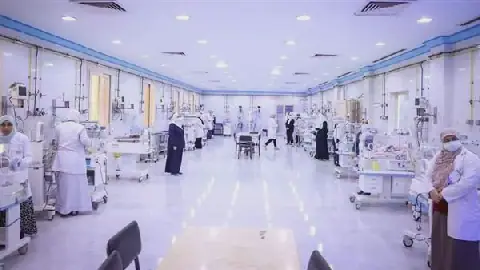
The council's performance evaluation has shown that the Ministry of Health in Khartoum state achieved the highest performance indicator among state government units, with a 76% rating during the first half of 2026. The ministry implemented 83.56% of development projects and 73% of ongoing operations. These numbers demonstrate the potential for effective performance evaluation and tracking, providing a model for other state sectors.
To accelerate implementation, the state government has directed its units to select three model projects each and include them in the reconstruction project matrix. This approach aims to prioritize projects, focus on essential services, and optimize resource allocation. By doing so, the state can efficiently utilize its resources and address pressing needs in areas such as water, electricity, healthcare, education, and transportation.
The Supreme Council for Strategy and Information is working within a broader government framework to rebuild state institutions and restore their capacity to provide services. The council's efforts are aligned with the state's overall strategy, which prioritizes key sectors and aims to create a more efficient and effective government. The state's recovery and reconstruction efforts offer an opportunity for Khartoum to emerge from the crisis stronger and more resilient, with a renewed focus on sustainable development and growth.
Key points
- The Supreme Council for Strategy and Information is leading Khartoum state's recovery and reconstruction efforts.
- The state has launched a 10-year strategy and a five-year roadmap to guide its recovery and reconstruction.
- The council is working on digital transformation, including developing information systems and electronic platforms.