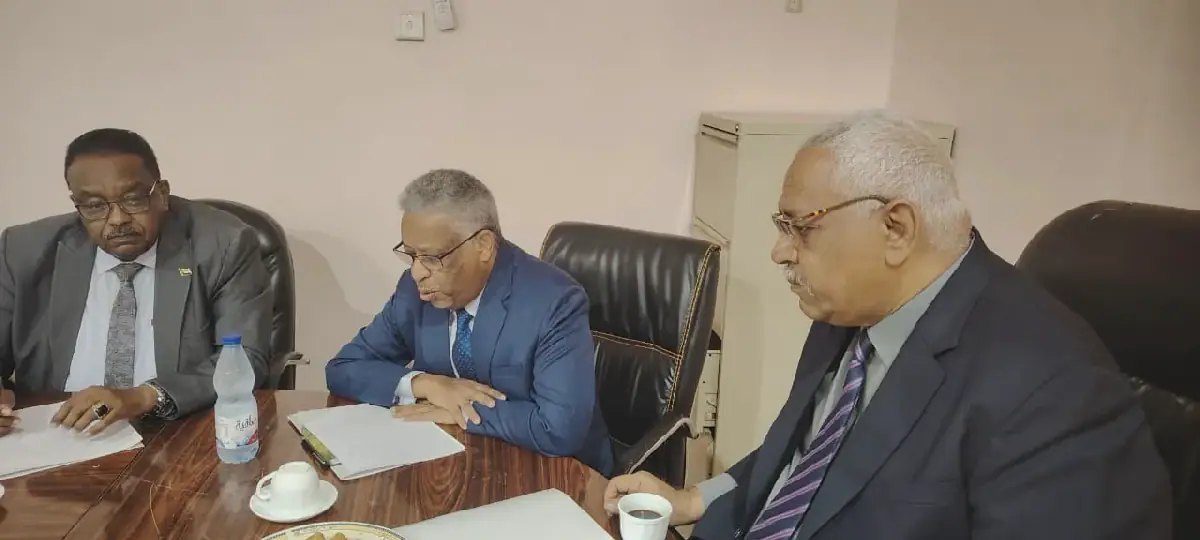
The Gezira Project in Sudan is completing arrangements for the winter wheat season, aiming to cultivate 400,000 feddans. According to Dr. Khalid Abedine Elshami, chairman of the project's management board, this effort seeks to boost agricultural production and ensure food security for the Sudanese people. A meeting chaired by Elshami discussed the challenges and necessary preparations for the new season.
The meeting, attended by key officials including Engineer Ibrahim Mustafa, Dr. Salah Abdelrahim, and Engineer Abdelbaki Nur Eldeim, reviewed the project's readiness for the upcoming season. Elshami emphasized the importance of achieving the 400,000 feddan target, which is crucial for food security and enhancing local production. He also mentioned that around 300,000 gallons of gasoline are en route to support agricultural preparations.
Dr. Salah Abdelrahim, director-general of the Agricultural Bank, announced that the current season will see unprecedented financing through farmers' associations. The bank has decided to open additional financing windows within the project to facilitate procedures and enable farmers to meet their agricultural needs. This move aims to support farmers in preparing for the season.
Engineer Ibrahim Mustafa, governor of the Gezira Project, disclosed that 40,000 tons of DAP fertilizer, along with significant quantities of urea fertilizer, will arrive at Port Sudan within the coming days. This shipment will help meet the project's agricultural needs for the winter season, ensuring that farmers have the necessary inputs.
The meeting also agreed to form a tripartite committee comprising the project management, the Agricultural Bank, and the producers' organization to review and determine the selling price of wheat for the new season. The committee will consider the actual cost of producing a feddan of wheat to ensure fairness and sustainability.
Another key decision was to prioritize local production of wheat seeds within the project. By cultivating 20,000 feddans of seeds using modern technologies, the project aims to achieve high productivity and enhance its capacity to provide local production inputs. This strategy will reduce reliance on external sources and boost the project's self-sufficiency.
The successful implementation of the winter wheat season is expected to have a positive impact on Sudan's food security and agricultural sector. With fuel, fertilizer, and financing in place, farmers are well-positioned to achieve the project's goals. The project's management is optimistic about the season's prospects and its contribution to the country's economic development.
Key points
- The Gezira Project aims to cultivate 400,000 feddans of wheat in the winter season.
- The project has secured 300,000 gallons of gasoline and 40,000 tons of DAP fertilizer to support farmers.
- A tripartite committee will be formed to determine the selling price of wheat for the new season.