A ceasefire agreement has been signed between Sudan's Fulat and Masalit tribes in Gereida, South Darfur, following two days of violent clashes that resulted in over 13 deaths. The agreement, reached on September 22, 2026, includes a commitment to pay blood money, or "diyat", to the families of those killed and to reopen joint markets to all parties involved. The clashes began on Saturday and Sunday of the previous week, sparked by a dispute between two individuals affiliated with the Rapid Support Forces.
The violence in Gereida escalated rapidly, spreading to several neighborhoods, including the Am Haleb, Jugin, Abiod, and Babnusa camps. The clashes resulted in significant losses of life and property. According to the International Organization for Migration, approximately 412 people were displaced from Gereida to other areas within the Gereida and Tils localities. Efforts by local leaders to contain the situation and prevent further escalation were underway.
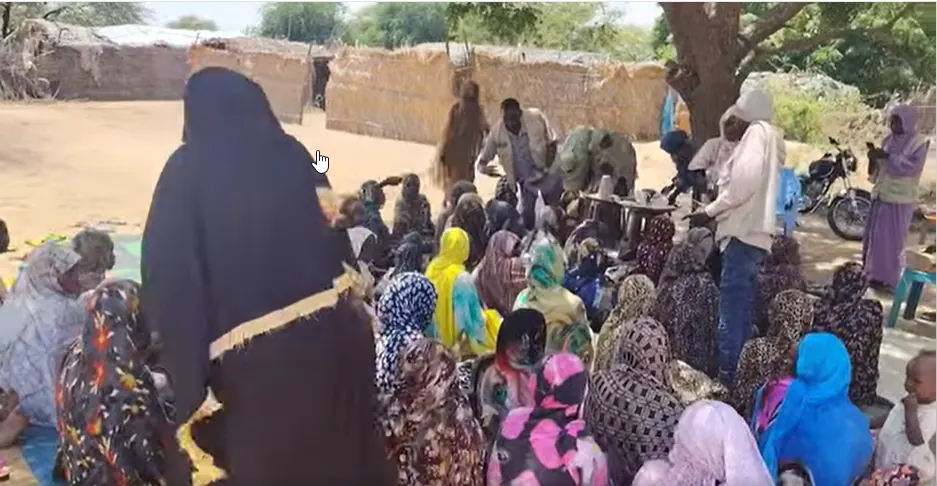
The agreement was facilitated by local leaders from South and East Darfur, who brokered a peace initiative involving representatives from both parties. The talks, which took place over the past two days, culminated in a document outlining the terms of the ceasefire. The agreement includes provisions for the payment of blood money and the reopening of joint markets, set to take effect on October 10, 2026.
The clashes in Gereida are a stark reminder of the ongoing tensions and conflicts in the region. The Fulat and Masalit tribes have a long history of disputes, often sparked by issues such as land ownership, resources, and territorial control. The situation in Darfur remains fragile, with many areas still affected by conflict and displacement.
The ceasefire agreement is seen as a positive step towards restoring stability in the region. However, the underlying issues that led to the clashes remain unaddressed. Continued efforts by local leaders and external actors will be necessary to prevent future conflicts and promote lasting peace.
The impact of the clashes on the local population has been significant. Many families have been displaced, and the violence has disrupted economic activity in the area. The reopening of joint markets is expected to help restore some semblance of normalcy to the region.
The agreement was welcomed by local residents, who expressed hope that it would bring an end to the violence and allow for the rebuilding of their communities. The situation in Gereida will continue to be monitored, as the implementation of the ceasefire agreement and the payment of blood money get underway.
Key points
- The ceasefire agreement includes a commitment to pay blood money to the families of those killed and to reopen joint markets to all parties involved.
- The clashes resulted in over 13 deaths and displaced approximately 412 people from Gereida.
- The agreement was facilitated by local leaders from South and East Darfur.