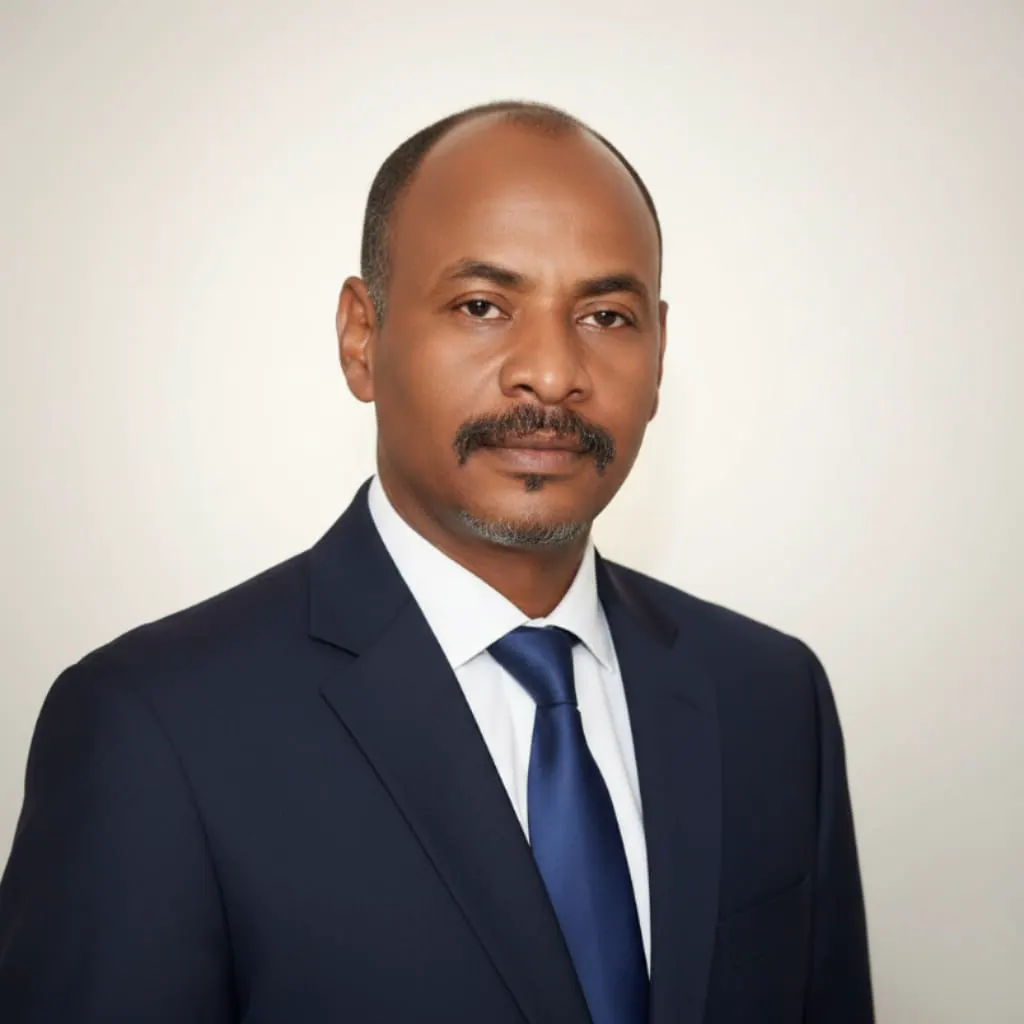
Sudan's Finance Minister, Dr. Jibril Ibrahim, recently spoke at a conference on private sector dialogue, highlighting the country's economic challenges and potential for growth. The conference, which brought together various stakeholders, aimed to discuss the role of the private sector in Sudan's economic recovery. Dr. Ibrahim's speech emphasized the importance of the private sector in driving economic growth and development. He noted that the country's economy has faced significant challenges, including the impact of war on infrastructure and trade.
The Sudanese economy has faced significant challenges in recent years, including a decline in GDP and a sharp increase in inflation. According to Dr. Ibrahim, the economy suffered a severe shock in 2023 due to the war, which led to a decline in GDP of over 40%. However, the minister expressed optimism that the economy is beginning to recover, with a growth rate of 1.7% expected in 2025. He attributed this recovery to the efforts of the government and the private sector in stabilizing the economy and promoting investment.
Dr. Ibrahim highlighted the importance of the private sector in driving economic growth and development in Sudan. He noted that the government is working to create an enabling environment for private sector growth, including providing financing for small and medium-sized enterprises and promoting investment in key sectors such as agriculture and livestock. The minister also emphasized the need for transparency and accountability in the management of public finances.
The conference on private sector dialogue was attended by various stakeholders, including representatives from the government, private sector, and international organizations. The event provided a platform for participants to discuss the challenges facing Sudan's economy and potential solutions. Dr. Ibrahim's speech was well-received by attendees, who expressed optimism about the country's economic prospects.
Sudan's economy has significant potential for growth and development, driven by its natural resources and strategic location. The country is rich in natural resources, including oil, gas, and minerals, which could be harnessed to drive economic growth. However, the country faces significant challenges, including a lack of infrastructure and a shortage of skilled workers.
The government of Sudan is working to address these challenges and promote economic growth and development. Dr. Ibrahim noted that the government is committed to implementing economic reforms and promoting investment in key sectors. He also emphasized the need for partnership between the government and the private sector to drive economic growth and development.
The conference on private sector dialogue was a significant step towards promoting economic growth and development in Sudan. The event provided a platform for stakeholders to discuss the challenges facing the country's economy and potential solutions. With the right policies and partnerships in place, Sudan has the potential to achieve significant economic growth and development.
Key points
- The Sudanese government is working to promote economic growth and development through partnership with the private sector.
- The country's economy has significant potential for growth and development, driven by its natural resources and strategic location.
- The government is committed to implementing economic reforms and promoting investment in key sectors.