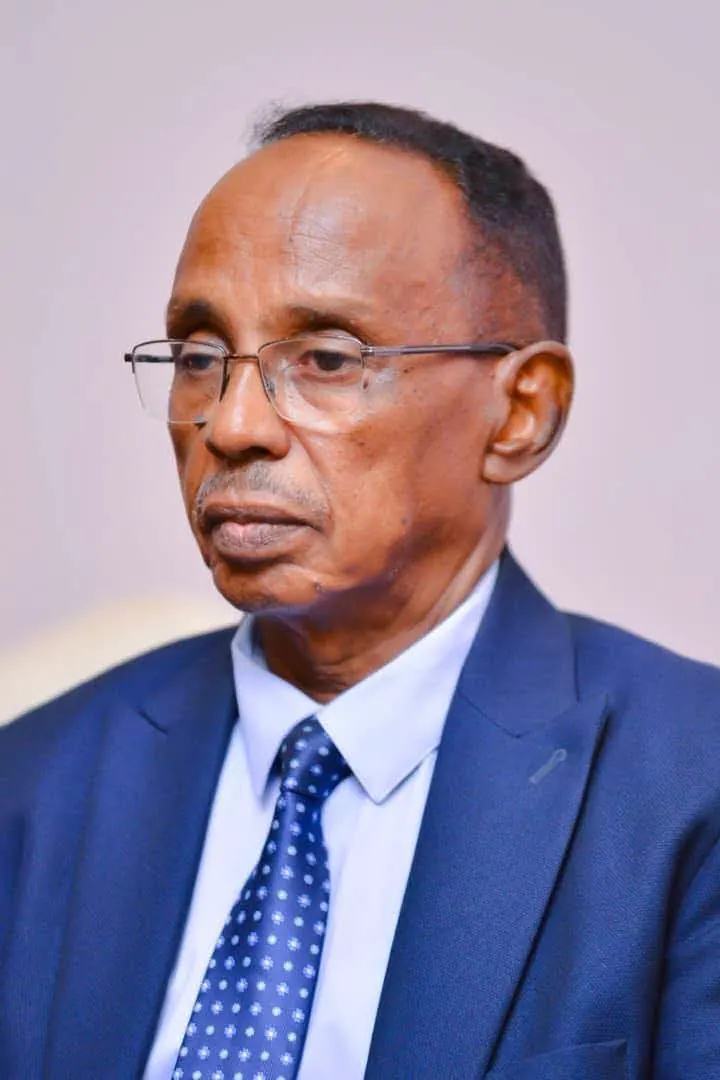
The Sudanese economy has been unfairly maligned, with many describing it as weak, impoverished, and in need of aid. However, according to Osama Mirghani, this narrative is far from accurate. In reality, Sudan has vast resources that are not being effectively managed. The country's economy is often subject to fluctuations in the value of the dollar, which can have a significant impact on the economy. Despite this, many analysts continue to offer the same solutions that have been proposed for decades.
These solutions, which focus on short-term fixes, have failed to address the underlying issues with the economy. Mirghani argues that the economy needs a comprehensive plan that addresses infrastructure development, investment in key sectors, and international partnerships. This plan should be implemented in stages over several years, with a clear timeline and milestones. Without such a plan, the economy will continue to struggle. The current approach, which focuses on quick fixes, is not working.
One of the key areas that requires attention is the energy sector. Sudan's energy infrastructure is underdeveloped, which has a major impact on the economy. Businesses are often forced to shut down due to power outages, and the cost of generating electricity is high. This makes it difficult for Sudanese companies to compete with their international counterparts. To address this issue, the government needs to invest in large-scale energy projects that can provide a reliable source of power.
However, such projects require significant investment and take time to implement. In 2026, Sudan should be working on projects that will be completed by 2030, taking into account expected growth in demand and advances in technology. Unfortunately, recent reports suggest that the government is instead focusing on small-scale projects that are unlikely to have a significant impact. This approach is unlikely to address the country's energy needs and may even exacerbate the problem.
The lack of a comprehensive plan for the economy is a major concern. Without a clear strategy, the government is unable to prioritize investments or make informed decisions about how to allocate resources. This has led to a situation where the economy is not growing as quickly as it could be, and poverty remains a significant challenge. To address this, the government needs to develop a long-term plan that takes into account the needs of the country and its people.
The issue of poverty is a complex one, and it will not be solved overnight. However, with a comprehensive plan and a commitment to investing in key sectors, Sudan can make progress. The government needs to work with international partners, civil society, and the private sector to develop a plan that is tailored to the country's needs. This plan should prioritize investments in education, healthcare, and infrastructure, as well as measures to promote economic growth and job creation.
In conclusion, Sudan's economy is not weak or impoverished, but it does require a comprehensive plan to address its challenges. The government needs to prioritize investments in key sectors, develop a long-term strategy, and work with international partners to promote economic growth and job creation. With the right approach, Sudan can unlock its potential and provide a better future for its people.
Key points
- Sudan's economy is often misunderstood and requires a comprehensive plan to address its challenges.