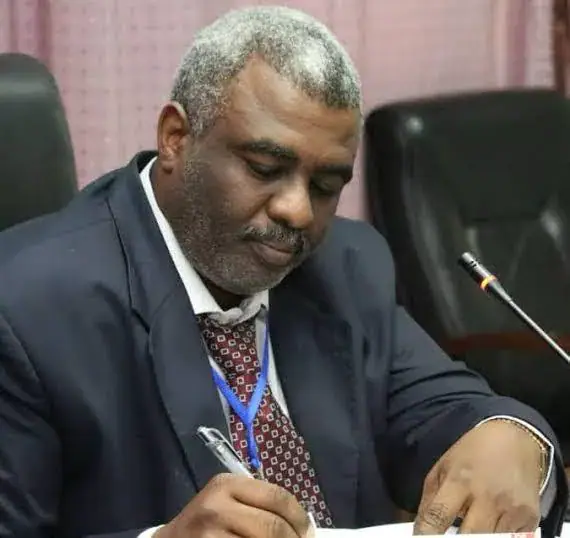
Recent drone attacks on vital facilities in Sudan have sparked concerns about the country's security and its position in regional and international politics. The attacks, which have targeted power plants, have caused significant damage to the country's infrastructure and have weakened the government's ability to provide basic services. The attacks have also raised concerns about the potential for a wider conflict in the region. Sudan's Prime Minister, Kaml Idrees, recently visited one of the affected power plants, the Merkhiyat power plant, to assess the damage and efforts to repair it.
The timing of the drone attacks is significant, as they coincide with efforts to impose an arms embargo and no-fly zone over the country. This has raised concerns that the military pressure may be used to impose a ceasefire that could limit the government's ability to respond to the attacks. The situation is complex, and there are concerns that a ceasefire could give militant groups an opportunity to regroup and rearm. Sudan's experience with previous ceasefires has shown that they can be used as a temporary reprieve for militant groups to rearm and regroup.
Sudan's relations with Russia have also been a focus of attention in recent days. During a recent visit to Moscow, Sudan's President, Abdel Fattah al-Burhan, expressed his desire to strengthen ties with Russia in various fields, including defense and energy. Russia has historically been a key ally of Sudan, and the two countries have enjoyed diplomatic relations for over 70 years. Sudan is seeking to diversify its partnerships and strengthen its economy, and Russia is seen as a key partner in this effort.
The potential for a Russian military base in Port Sudan has also raised concerns in the region. The base would provide Russia with a strategic foothold in the Red Sea, which is a critical waterway for international trade. However, the plan has been put on hold, according to Russian statements in November 2025. The situation has sparked concerns about the potential for a new military presence in the region and the impact it could have on regional security.
Egypt's President, Abdel Fattah el-Sisi, has also weighed in on the situation, expressing his concerns about the potential for a new military presence in the Red Sea. He emphasized the importance of maintaining the stability and sovereignty of Sudan and the need for a Sudanese-led solution to the conflict. Egypt has a strategic interest in maintaining stability in the region, as Sudan is a key partner in the region and a critical player in regional security.
The situation in Sudan is complex, and there are multiple factors at play. The country is seeking to navigate a difficult security situation, while also managing its relationships with key international partners. The international community has a role to play in supporting Sudan's stability and sovereignty, and there is a need for a coordinated international response to the crisis.
Ultimately, Sudan's stability and security are critical not just for the country but for the wider region. The international community has a vested interest in supporting Sudan's stability and sovereignty, and there is a need for a coordinated international response to the crisis. Sudan should not be forced to choose between different international partners, but rather should be able to pursue its own interests and develop its own relationships.
Key points
- The drone attacks have sparked concerns about Sudan's security and its position in regional and international politics.
- The situation has raised concerns about the potential for a wider conflict in the region and the impact on regional security.
- Sudan is seeking to diversify its partnerships and strengthen its economy, and Russia is seen as a key partner in this effort.