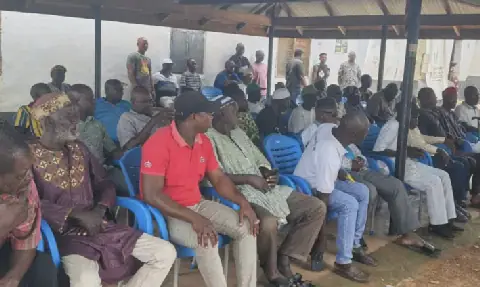
The conflict in Sudan has evolved into a complex crisis, extending beyond a mere military confrontation or political dispute between parties. It has significantly impacted the lives of Sudanese citizens, forcing them to confront a harsh new reality. With experiences of fear, displacement, and instability, citizens are now more critical in assessing the situation and questioning the reasons behind the war, its objectives, and its potential outcomes.
The ongoing war has exposed various political stances and rendered obsolete some long-held political calculations. Citizens no longer view the situation solely through the lens of party names and slogans but rather through their daily experiences. Those who have lost their homes, been separated from their villages, or had their livelihoods disrupted yearn for an end to their suffering and a return to normalcy. This shift in perspective underscores the need to move beyond party politics to comprehend the situation in Sudan.
A critical question has emerged: why did some citizens leave areas under the control of the Rapid Support Forces (RSF) and move to regions controlled by the Sudanese army? Understanding this phenomenon requires a careful examination of citizens' testimonies and experiences, free from political manipulation. The massive displacement in Sudan reflects the immense suffering endured by civilians, with the war's impact felt across all sectors of society, including families, markets, schools, hospitals, villages, and cities.
The persistence of the crisis necessitates a shift in perspective, moving away from the traditional political alignments that have characterized Sudan's landscape. The war has not spared any community or political group, and its effects have been widespread. As citizens seek security, stability, and a return to normal life, the need for a comprehensive and inclusive approach to address the root causes of the conflict has become increasingly evident.
The experiences of the past few years have been a harsh lesson for Sudanese citizens. The destruction, displacement, and disruption of services have had a profound impact on the economy and daily life. Citizens are now asking when this suffering will end and when the state will resume its role in protecting its people and providing essential services. The need to move beyond the "gray area" of ambiguity and polarization has become pressing.
Sudan requires a broad platform for dialogue and a narrative that promotes unity, rejects racism, and encourages peaceful coexistence. The country's future depends on its ability to rebuild trust among its citizens and establish a more stable and effective state. The question that should concern all Sudanese today is not only which party they support but what kind of Sudan they want to leave for future generations.
Ultimately, Sudan needs all its citizens to work towards a common goal: to stop the violence, facilitate the return of displaced persons, and initiate reconstruction efforts. The time has come for the priorities to shift towards restoring normalcy, reopening schools and hospitals, and revitalizing the economy. While politics and alliances may change, the country's needs and aspirations remain constant.
Key points
- Sudan's ongoing conflict has significantly impacted citizens' lives, raising questions about the state's role and future.
- The crisis necessitates a shift in perspective, moving away from traditional political alignments.
- Sudan requires a broad platform for dialogue and a narrative that promotes unity and peaceful coexistence.