The date harvest season has commenced in the Al-Baja area of northern Sudan. Local farmers have begun cutting bunches of dates from palm trees. The harvest season is a significant event in the region, providing a source of income for many farmers. According to reports, the Al-Baja region is known for its vast palm groves. The area's climate and soil conditions make it an ideal place for date palm cultivation.
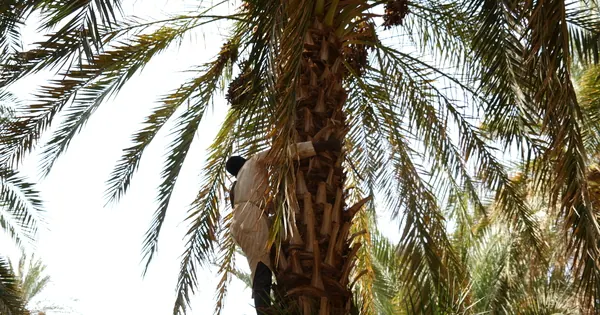
The date harvest season in Al-Baja typically takes place in September. Farmers in the region have been preparing for the harvest season for months. They climb palm trees to cut bunches of dates, which are then collected and transported to local markets. The dates are sold to traders and consumers, both locally and internationally. The date industry plays a crucial role in Sudan's economy, generating revenue and creating jobs for thousands of people.
The Al-Baja region's date palm cultivation dates back centuries. The region's farmers have developed expertise in cultivating and harvesting dates. The local government has been supporting the date industry through various initiatives, including providing training and resources to farmers. The initiatives aim to improve crop yields, enhance quality, and increase exports. Sudan's date exports have been growing steadily over the years, with the country shipping dates to countries in Africa, Europe, and the Middle East.
The date harvest season in Al-Baja is expected to boost the local economy. The harvest season will create employment opportunities for thousands of people, including farmers, laborers, and traders. The increased economic activity will also benefit local businesses, such as those involved in transportation, storage, and marketing. The local government is optimistic about the prospects for the date industry, citing growing demand and favorable market conditions.
Sudan's date industry faces challenges, including climate change, pests, and diseases. Rising temperatures and changing rainfall patterns affect date palm yields and quality. The government and farmers are working together to address these challenges. They are implementing measures to improve resilience, such as irrigation systems and integrated pest management. The efforts aim to ensure the long-term sustainability of the date industry in Al-Baja and Sudan as a whole.
The Al-Baja region's date harvest season is a significant event in Sudan's agricultural calendar. The region's dates are highly regarded for their quality and taste. The harvest season will continue for several weeks, with farmers working tirelessly to collect and process the dates. The local government and farmers are optimistic about the prospects for the date industry, citing growing demand and favorable market conditions.
The date harvest season in Al-Baja has been documented through photographs and reports. A photo taken by Fayez Elzaki/Xinhua shows a farmer climbing a palm tree to cut bunches of dates in a palm grove in the Al-Baja area on September 20, 2026. The image captures the essence of the harvest season, highlighting the hard work and dedication of local farmers. The date industry in Al-Baja and Sudan is expected to continue growing, driven by favorable conditions and government support.
Key points
- The date harvest season in Sudan's Al-Baja region has commenced, boosting the local economy and providing a source of income for thousands of farmers.