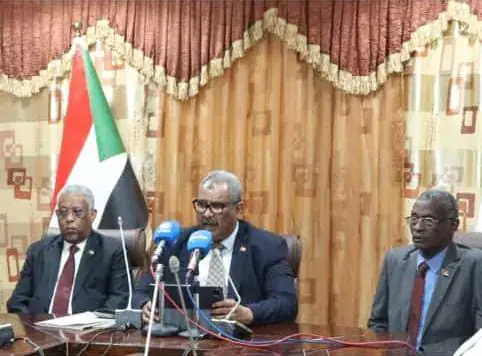
Sudan's Minister of Agriculture and Irrigation, Professor Ismat Qureshi, has announced a new price for winter wheat, setting it at 600,000 Sudanese Pounds (SDG) per sack. This move aims to support farmers as the winter season approaches. The decision was made during a meeting with key stakeholders, including the Governor of the Gezira Project, engineers, and bank officials. The goal is to encourage farmers to expand their cultivation of strategic crops.
The meeting discussed urgent requirements for a successful winter season, agricultural financing policies, and measures to help struggling farmers. These measures include allowing farmers to pay off parts of their debts and enabling them to secure financing. The Agricultural Bank will provide financing through Islamic financing formulas, including Salam and Murabaha. This initiative seeks to facilitate farmers' access to necessary inputs for the winter season.
Minister Qureshi praised the efforts of the Gezira Project's governor and the project's achievements despite facing challenges during the agricultural season. According to a report presented by the project's governor, Engineer Ibrahim Mustafa Ali, significant progress was made in preparing for the summer season. The report highlighted efforts to establish summer crops, clear land, and remove obstacles from irrigation channels.
The report also noted that these efforts led to high production levels of corn and groundnuts, despite rainfall shortages. Engineer Abdul Baki Noor Al-Daim, Chairman of the Gezira Project's producers' organization, emphasized the importance of setting agricultural input prices. He stated that this policy aims to encourage farmers, stimulate production, and ensure the availability of wheat, a strategic crop linked to food security.
In the context of irrigation and energy, Minister Qureshi confirmed continued coordination with the Ministry of Energy to ensure stable electricity supply. This is particularly crucial for Gezira, Rahad, and Suki projects, which rely heavily on electricity for irrigation during the winter season. The ministry also aims to ensure a steady supply of petroleum products until the end of the agricultural season.
The new price for wheat is expected to have a positive impact on farmers and the overall agricultural sector. By setting a fixed price, the government aims to provide stability and predictability for farmers, enabling them to plan and invest in their crops with confidence. This move is part of a broader strategy to support the agricultural sector and enhance food security in Sudan.
The government's efforts to support farmers and the agricultural sector are crucial for Sudan's economy and food security. The country relies heavily on agriculture, and any initiatives that promote production and stability in this sector are likely to have a positive impact on the lives of many Sudanese people. The implementation of these measures will be closely watched, as they have the potential to make a significant difference in the country's agricultural landscape.
Key points
- The Sudanese government sets the price of winter wheat at 600,000 SDG per sack to support farmers and encourage the cultivation of strategic crops.