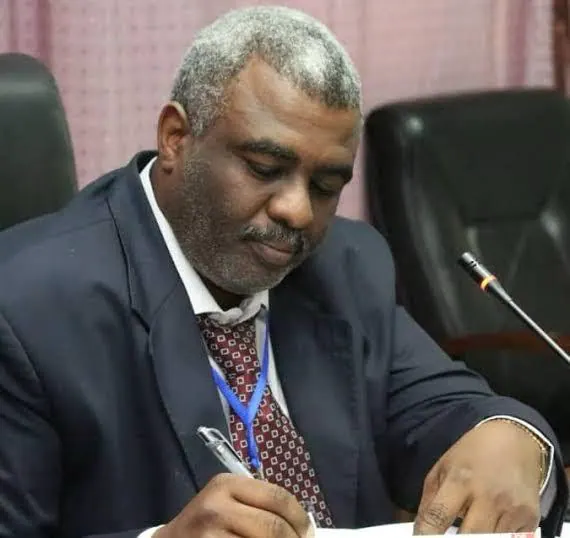
Sudan's Chairman of the Sovereign Council, Abdel Fattah al-Burhan, is set to participate in the El Alamein summit, a consultative meeting with Egypt, Eritrea, and Somalia. The summit aims to address regional developments and shared security interests. According to sources, the meeting comes at a critical time, with escalating tensions between Ethiopia and Eritrea, and renewed clashes in the Tigray region. The summit is expected to discuss ways to enhance cooperation and stability in the region.
The El Alamein summit is taking place against a backdrop of heightened tensions in the region. The conflict in Sudan, coupled with the Ethiopia-Eritrea tensions and security concerns in the Red Sea and the Horn of Africa, have created a complex web of challenges. The Egyptian presidency has described the summit as a consultative meeting to coordinate on regional issues of common interest. However, analysts believe that the meeting goes beyond mere consultation, as it seeks to redefine the regional security architecture.
The conflict in Ethiopia's Tigray region has seen a significant escalation, with government forces recapturing the strategic city of Mekele. The situation has raised concerns about the potential for the conflict to spill over into neighboring countries. Sudan, Egypt, and Eritrea have been accused of supporting different factions in the conflict, further complicating the situation. The El Alamein summit provides an opportunity for the participating countries to discuss their interests and concerns.
Another critical development in the region is the escalation of military operations in Sudan's Blue Nile state, near the Ethiopian border. The Sudanese army has reported gaining control over key areas, dealing a significant blow to the Rapid Support Forces (RSF). The developments in the Blue Nile have significant implications for regional security, given the strategic location of the state and its proximity to Ethiopia and Eritrea.
The El Alamein summit brings together countries that are critical to regional security, including Egypt, Sudan, Eritrea, and Somalia. These countries are strategically located along the Red Sea and the Horn of Africa, a region that is vital to global shipping and trade. The summit provides an opportunity for the participating countries to discuss ways to enhance cooperation and stability in the region, and to address the challenges posed by the conflict in Sudan and the tensions between Ethiopia and Eritrea.
For Sudan, the El Alamein summit offers an opportunity to transition from being a passive recipient of regional developments to an active participant in shaping the regional security architecture. By engaging with its neighbors and partners, Sudan can help to define the terms of regional cooperation and ensure that its interests and sovereignty are respected. The summit also provides a platform for Sudan to discuss its concerns about the conflict in the Blue Nile and the impact of regional developments on its security.
The outcome of the El Alamein summit is expected to have significant implications for regional security and cooperation. The participating countries are likely to agree on measures to enhance cooperation and stability in the region, including the establishment of a framework for conflict prevention and resolution. The summit may also lead to a greater commitment to regional cooperation and a more proactive approach to addressing the challenges facing the region.
Key points
- The El Alamein summit aims to address regional security challenges and enhance cooperation between Egypt, Sudan, Eritrea, and Somalia.
- The summit comes at a critical time, with escalating tensions between Ethiopia and Eritrea, and renewed clashes in the Tigray region.
- The outcome of the summit is expected to have significant implications for regional security and cooperation.