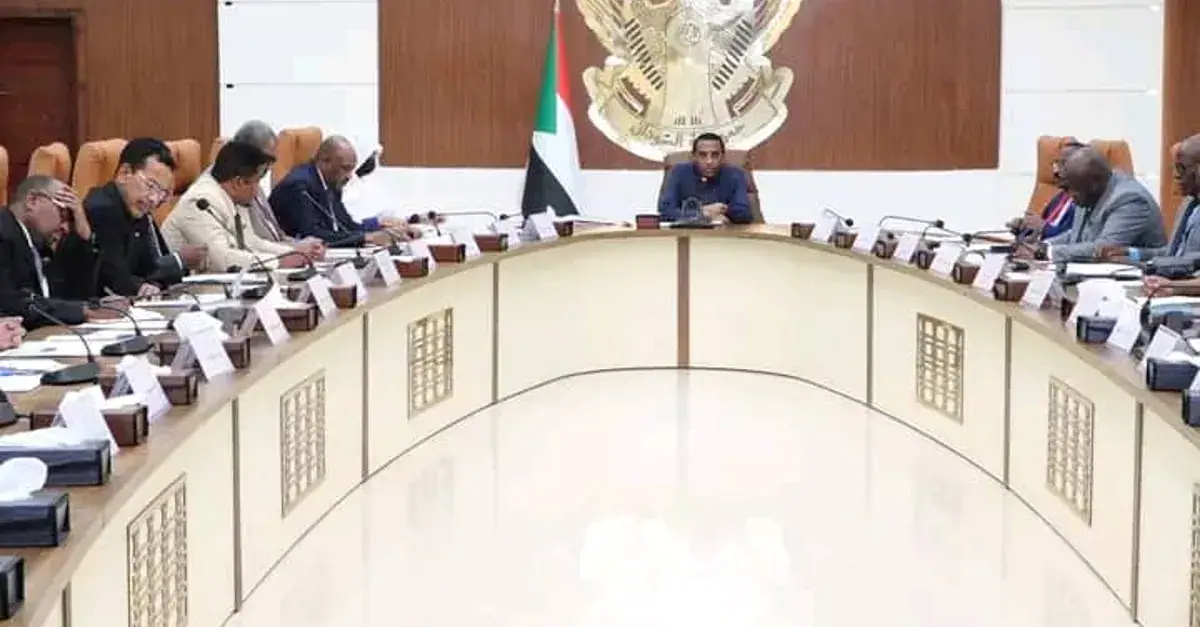
The Sudanese government has categorically rejected an initiative by Ethiopian Prime Minister to host a comprehensive Sudanese dialogue. In a statement, the government emphasized that Ethiopia's actions disqualify it from playing a mediation or facilitation role. The government's stance is based on Ethiopia's alleged support for the Rapid Support Forces and launching drones from its territory to target Sudan.
The Sudanese government has demanded that the African Union and regional and international parties exclude Ethiopia from any arrangements to host the dialogue. The government stressed that determining the location of the dialogue and the party that will facilitate it is a right reserved for the Sudanese people. This development comes amid escalating tensions between Khartoum and Addis Ababa.
The tensions between the two nations have been fueled by Sudan's allegations that Ethiopia has allowed its territory to be used to launch drones that have targeted Sudanese sites and facilities. Sudan has lodged complaints with the UN Security Council and the African Peace and Security Council regarding these allegations. The diplomatic relations between the two countries have further deteriorated.
The deterioration in diplomatic relations between the two countries took a turn for the worse in early November, with the closure of the Ethiopian consulate in the Sudanese city of Gedaref and the Sudanese consulate in the Ethiopian city of Assosa. The two countries have also engaged in a series of diplomatic expulsions, amid mutual accusations of interfering in each other's internal affairs and supporting armed groups.
The Sudanese government's rejection of Ethiopia's initiative is based on the latter's alleged bias. The government has pointed to Ethiopia's support for the Rapid Support Forces as evidence of its lack of neutrality. This move has significant implications for the region, given the already strained relations between the two nations.
The African Union and other regional and international parties have been urged to take heed of the Sudanese government's concerns. The government's stance underscores the need for a neutral and impartial party to facilitate any dialogue aimed at resolving Sudan's internal conflicts. The situation remains a challenge for regional and international efforts to promote peace and stability in Sudan.
The rejection of Ethiopia's initiative has brought renewed attention to the complexities of Sudanese internal politics. The government's insistence on a domestically driven and owned dialogue process reflects its commitment to charting its own course. The international community will be watching closely as the situation continues to unfold.
Key points
- The Sudanese government rejects Ethiopia's initiative to host a comprehensive Sudanese dialogue due to Ethiopia's alleged bias and lack of neutrality.
Reporting sources
- الحكومة السودانية ترفض مبادرة إثيوبيا لاستضافة حوار سوداني شامل · Al-Qahera News