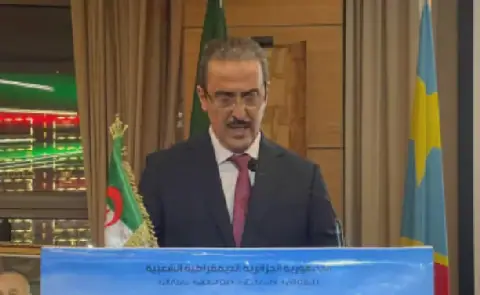
Sudan has taken a significant step towards harnessing its marine resources and entering the global tuna market. The country's Ministry of Animal Resources and Fisheries recently hosted a seminar on "Exploiting Tuna Resources: Potentials and Challenges." The event, which was attended by experts and officials from the ministry, aimed to explore ways to tap into Sudan's tuna resources and develop the country's fishing industry. Sudan has a significant coastline along the Red Sea, providing access to the Indian Ocean, but its marine resources remain underutilized.
The seminar was opened by Engineer Thani Mohamed Awoud, Director of the Training Department at the Ministry of Animal Resources and Fisheries, in the presence of Dr. Fathi Mirghani, Director-General of the General Administration of Fisheries and Aquatic Life. Awoud emphasized that Sudan has a substantial fishery resource, but it is not being fully exploited. She noted that the country's tuna resources have significant strategic value in the global market, but Sudan currently imports tuna from abroad.
The seminar focused on the need for continuous training, building partnerships, and exploiting Sudan's share of tuna resources in accordance with international standards and specifications. Engineer Awoud stated that the seminar marked the beginning of a process to transform Sudan's available fishery resources into a comprehensive industry. The country's goal is to develop its fishing sector and increase its contribution to food security and foreign exchange earnings.
Engineer Fatima Al-Mahdi presented a paper on "Regulatory Rights and Sudan's Readiness to Exploit Tuna Food Resources." She discussed the most common types of tuna, including white, yellow, and blue tuna, and their importance in contributing to food security. Al-Mahdi also reviewed the international regulatory framework for tuna fishing in the Indian Ocean, which is overseen by the Indian Ocean Tuna Commission (IOTC).
The IOTC is responsible for setting tuna catch limits, regulating fishing operations, and issuing periodic reports on tuna stocks. Sudan's participation in the IOTC and its adoption of international standards and specifications are crucial for the country's entry into the global tuna market. The seminar concluded that intensifying technical and legal efforts is necessary to enable Sudan to enter the tuna exploitation and investment sector.
The development of Sudan's fishing sector is expected to contribute to food security, provide foreign exchange earnings, and reduce the country's reliance on imported tuna products. The seminar's outcomes highlighted the need for collaboration between government agencies, private sector stakeholders, and international organizations to support the development of Sudan's tuna industry.
The Sudanese government's efforts to harness its marine resources and enter the global tuna market are part of a broader strategy to diversify the country's economy and reduce its dependence on traditional sectors. The development of the fishing industry is also expected to create new job opportunities and contribute to the country's economic growth.
Key points
- Sudan has significant tuna resources, but they remain underutilized.
- The country aims to develop its fishing sector and increase its contribution to food security and foreign exchange earnings.
- Sudan's participation in the Indian Ocean Tuna Commission is crucial for its entry into the global tuna market.