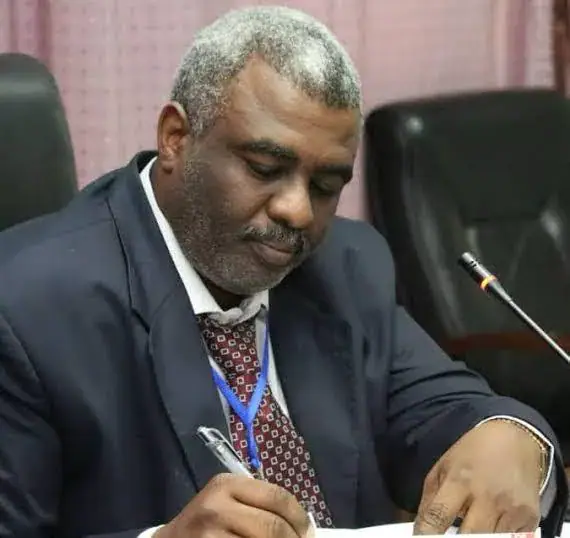
Sudan's Prime Minister, Dr. Kamal Idris, recently visited the Arab Market in Khartoum, marking an important step in the government's efforts to revive the economy and stabilize the country. The visit comes as the government works to implement its program for recovery, stability, and improving living conditions. The market's return to activity is crucial, but it is only one aspect of the government's challenges.
The government's success in reviving market activity does not necessarily translate to improved living conditions for citizens, unless it leads to increased purchasing power, stable commodity prices, and availability. The Prime Minister's visit allowed him to assess the commercial situation and identify the needs of market operators. However, the real test of the government's program lies in its ability to restore production and ensure a steady supply of goods.
One of the key challenges facing the government is the rising cost of bread, a staple food in Sudan. Some bakeries have begun to increase prices, with three loaves selling for 2,000 Sudanese pounds, and expectations that the price of a single loaf could reach 1,000 pounds by December. The government must address this issue before it becomes a full-blown crisis, as bread is not just a commodity but also a key indicator of social stability.
To address the bread crisis, the government needs to examine the entire production chain, from providing flour to ensuring the availability of fuel, electricity, and transportation. Any disruption in this chain can lead to price increases, which would further burden citizens. The government must find practical solutions to ensure continuous production and prevent economic instability from affecting households.
In addition to addressing the bread crisis, the government must also focus on maintaining a strategic food reserve. This is crucial in the face of regional instability and potential disruptions to maritime navigation and supply chains. The government must assess its food reserves, determine their adequacy, and develop a plan to ensure food security.
The government's efforts to revive the economy and ensure food security are closely linked to its ability to provide basic services, such as sanitation and hygiene. The Prime Minister has launched a campaign to clean up and improve the environment in Khartoum, which includes street cleaning, lighting, and tree planting. This initiative is essential for restoring normal life in the capital and attracting investors and traders.
Ultimately, the government's success will be measured by its ability to protect the livelihoods of its citizens. The challenges facing the government, from reviving market activity to ensuring food security, are significant. However, by addressing these issues, the government can begin to rebuild trust and demonstrate its commitment to improving the lives of Sudanese citizens.
Key points
- The Sudanese government faces challenges in restoring market activity, stabilizing bread prices, and maintaining a strategic food reserve.
Reporting sources
- الحكومة.. عودة الأسواق وتحدي الخبز · Al-tayar