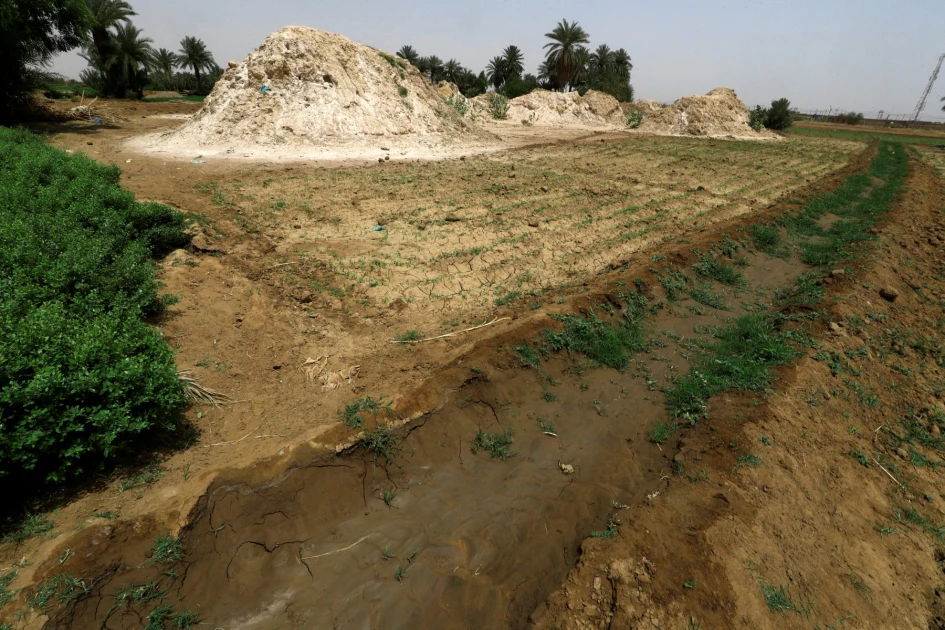
A gold mine in northern Sudan collapsed on Saturday, resulting in the deaths of at least 10 people and injuring 21 others. The incident occurred in the Awny mining area near Sudan's border with Egypt. Survivors reported that the rescue operation was carried out by the miners themselves with little equipment available. The mine collapse is a stark reminder of the risks faced by artisanal miners in Sudan, who often work in unregulated mines with rudimentary tools.
The war in Sudan, which began in April 2023 between the army and the paramilitary Rapid Support Forces (RSF), has led to an increased reliance on the country's billion-dollar gold trade to fund war efforts. Both sides have been involved in the gold trade, with nearly all of the gold produced flowing to the United Arab Emirates. Sudan is one of Africa's top gold producers, recording a "five-year high" of 70 tonnes of production last year. However, most of the gold is smuggled across Sudan's borders, including through Chad, South Sudan, and Egypt.
Artisanal and small-scale mining accounts for the majority of gold extracted in Sudan, with over two million people employed in the industry. However, the work is often hazardous, with miners facing chemical poisoning and regular mine collapses. Last week, at least 82 people were killed and dozens injured in a collapse in the southern Kordofan region. The risks faced by artisanal miners in Sudan have been highlighted by this latest incident.
The survivors of the mine collapse reported that more miners were feared dead under the rubble and that the search for the missing was ongoing. The rescue operation was hampered by a lack of equipment, highlighting the challenges faced by artisanal miners in Sudan. Many young Sudanese have joined the gold rush, working in unregulated mines for meagre daily wages.
The gold trade in Sudan has become a significant contributor to the country's economy, but it also poses significant risks to those involved. The industry is largely unregulated, with many miners working in unofficial zones or decommissioned mines. This lack of regulation has led to concerns about the safety of miners and the environmental impact of the industry.
The incident has also highlighted the issue of gold smuggling in Sudan. According to Sudanese officials and mining industry sources, nearly all of the gold produced by both sides of the war flows to the United Arab Emirates, which denies reports that it arms the RSF. The UAE is the world's second-largest gold exporter, and Sudan's gold trade has become a significant contributor to its economy.
The Sudanese government has faced scrutiny over its handling of the gold trade, with concerns about the safety of miners and the environmental impact of the industry. The government has recorded a significant increase in gold production, but officials say that most of the gold is smuggled across Sudan's borders. The incident has highlighted the need for greater regulation of the industry to prevent such tragedies in the future.
Key points
- At least 10 people were killed and 21 others injured in a gold mine collapse in northern Sudan.
- The incident highlights the risks faced by artisanal miners in Sudan, who often work in unregulated mines with rudimentary tools.
- The gold trade in Sudan has become a significant contributor to the country's economy, but it also poses significant risks to those involved.