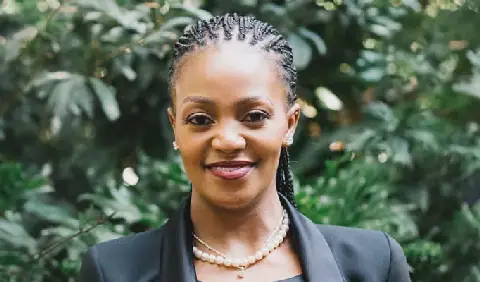
The Sudanese community in Egypt is facing significant challenges in preserving their cultural identity and family cohesion following their displacement due to war. According to Dr. Sahar Mousa, the situation has led to a test of the resilience of Sudanese families and their ability to maintain their traditional values and social structures. The war has forced many Sudanese families to flee their homes and seek refuge in Egypt, where they face new challenges in adapting to a different environment.
In traditional Sudanese society, family roles were clearly defined, with the father providing external security and the mother managing emotional and social stability. However, the reality of displacement and exile has turned these balances upside down. The lack of stable employment opportunities and loss of income sources have left many fathers unable to perform their traditional economic roles, leading to a deep crisis in their psychological and social status within the family.
The situation has also led to a significant shift in the roles of mothers and daughters, who have had to take on additional responsibilities to support their families. This has resulted in physical and psychological exhaustion, as well as a blurring of traditional family boundaries. Furthermore, the loss of community support and social networks has left many families feeling isolated and vulnerable.
The challenges faced by Sudanese families in exile also extend to the psychological and cultural well-being of their children. Growing up in a new environment with different cultural norms and values can be confusing and challenging for young people. They are often torn between their Sudanese heritage and the new cultural influences they are exposed to, leading to identity crises and conflicts with their parents.
To address these challenges, Dr. Mousa argues that Sudanese families in exile need to redefine their roles and adapt to their new circumstances. This includes fathers finding new ways to contribute to their families beyond traditional economic roles, and mothers and daughters being supported in their new responsibilities. It also requires a renewed emphasis on preserving Sudanese culture and values, and finding ways to pass these on to younger generations.
Dr. Mousa suggests that building alternative support networks and communities can help to alleviate some of the challenges faced by Sudanese families in exile. This includes establishing educational and counseling programs, as well as social and cultural initiatives that promote Sudanese culture and values. By working together and supporting one another, Sudanese families can build resilience and maintain their cultural identity in the face of adversity.
Ultimately, Dr. Mousa believes that Sudanese families in exile have the strength and resilience to overcome the challenges they face. By drawing on their cultural heritage and supporting one another, they can build a brighter future for themselves and their children. With the right support and resources, Sudanese families can maintain their cultural identity and family cohesion, even in the face of displacement and exile.
Key points
- Sudanese families in exile face significant challenges in preserving their cultural identity and family cohesion.
- Redefining family roles and building alternative support networks can help alleviate these challenges.
- Preserving Sudanese culture and values is crucial to maintaining family cohesion and cultural identity.