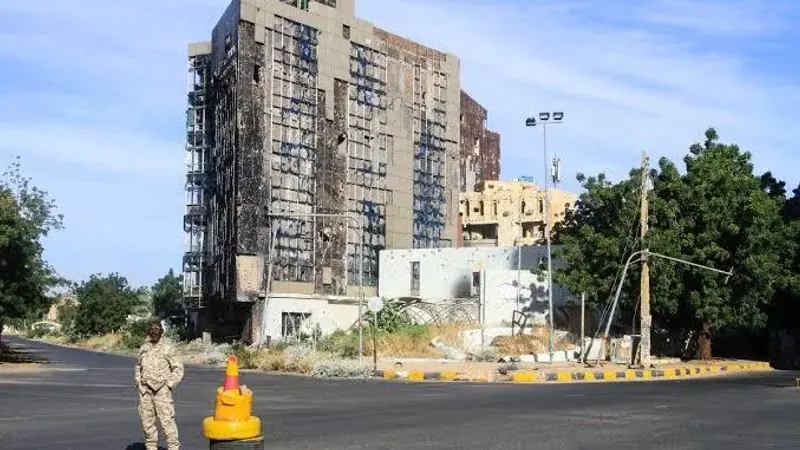
Sudan is facing a growing threat of deadly diseases and epidemics, particularly amid the collapse of the health sector and the arrival of the rainy season. The country has been witnessing a war between the army and the Rapid Support Forces since mid-April 2023, resulting in nearly 200,000 deaths and over 14 million people forced to flee their homes. More than 30 million others are suffering, with the health situation raising concerns for displaced people living in shelters.
Civil society actors and volunteers in Emergency Response Rooms reported that dengue fever cases in the cities of Damazin and Roseires, in the Blue Nile Region, had exceeded 6,000, coinciding with the rainy season, water accumulation, shortages of medicines, and deteriorating health services. In July, the director of the region's General Department of Emergencies and Epidemic Control announced that 681 confirmed cases of dengue fever had been recorded in Damazin, with one death recorded in hospitals at the time.
Residents reported an increase in dengue and malaria cases in Damazin and Roseires, with cases also recorded in the village of Taiba al-Balilab in Roseires locality. Health facilities in the two cities are facing mounting pressure and shortages of medicines, supplies, and medical personnel, while patients are struggling with the rising costs of treatment and tests. The health situation is particularly concerning for displaced people living in shelters, amid overcrowding, deteriorating environmental sanitation, and limited health services.
Malaria has become widespread across all states of the country, with approximately two Sudanese people dying from it every day, most of them children under five and pregnant women. The number of infections exceeds three million cases annually. Epidemiology specialist Mukhtar Jabara says malaria and tuberculosis have become almost community-wide diseases, with treatment costs for families multiplying when one family member contracts either disease.
The catastrophic repercussions of the continued civil war in Sudan on the health system, and the spread of epidemics and infectious diseases, threaten the lives of millions of civilians. A large proportion of hospitals have gone out of service as a result of direct shelling, insecurity, or shortages of medical personnel. Local and international estimates indicate that more than 60% of health facilities in conflict areas have partially or completely ceased operating.
Reports indicate that mysterious epidemics in Sudan, accompanied by unusual cases, are the result of chemical contamination, alleging that the Sudanese army used internationally prohibited weapons during the ongoing war. Eighteen experts said in a letter published on September 29, 2026, that evidence emerging since May 2025 strongly supports the accusation that the Sudanese army used chemical weapons during the war in Sudan. Army commander Abdel Fattah al-Burhan denies the accusations.
The experts stressed that the evidence that has emerged since the United States accused Sudan in May 2025 of using chemical weapons strongly supports the accusation. They identified ways to verify the allegations through the Organisation for the Prohibition of Chemical Weapons, as calls for an independent international investigation continue to grow. The situation in Sudan remains dire, with the health sector on the brink of collapse and the threat of epidemics and infectious diseases looming large.
Key points
- Sudan's health sector is collapsing amid ongoing conflict, with over 60% of health facilities in conflict areas partially or completely out of service.
- Dengue fever and malaria cases are on the rise, particularly in the Blue Nile Region, with over 6,000 cases of dengue fever recorded in Damazin and Roseires.
- There are allegations that the Sudanese army used chemical weapons during the war, with evidence emerging since May 2025 supporting the accusation.