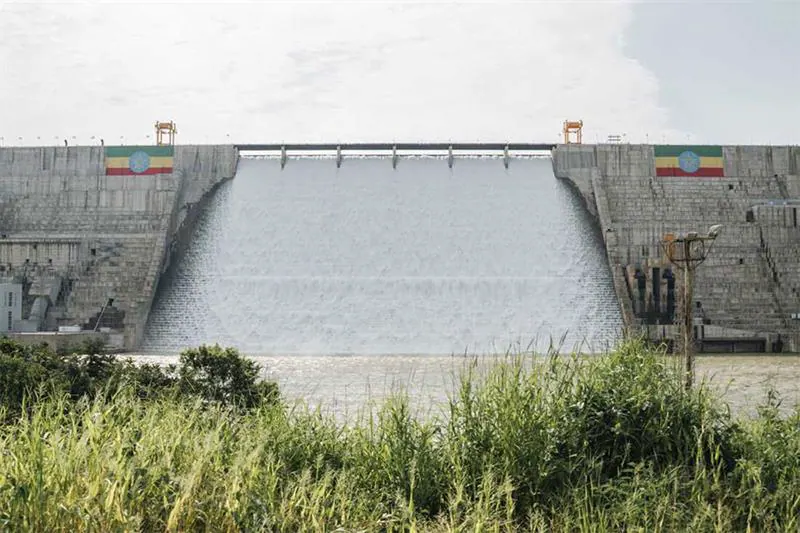
Egyptian Minister of Water Resources and Irrigation Hani Sewilam stated that the absence of a legally binding agreement and data-sharing mechanism regarding the Grand Ethiopian Renaissance Dam has left Sudan facing unpredictable water flows. This has forced dam operators to take precautionary measures. The situation is complicated by the natural fluctuations in the Nile's water levels, which can vary significantly from day to day, year to year, and across seasons.
Minister Sewilam explained that the uncertainty forces Sudanese dam operators to lower reservoir levels as a safety precaution. However, keeping reservoir levels low undermines the main purposes of a dam: storing water and generating electricity. He noted that the easiest way to be 100 percent safe is to empty the dam, but this would render it useless, generating no electricity and providing no water reserves.
The lack of data from the GERD is a result of Ethiopia's continued unilateral operation of the dam in the absence of a legally binding agreement. This has disrupted water flows into Sudan, leaving dam operators with a "black box" situation, where they do not know what to expect. Sudan's Ministry of Agriculture and Irrigation reported that Blue Nile inflows into the Roseires Reservoir fell significantly between July 7 and 9.
The decline in water levels has disrupted operations at the Al-Salha drinking water station, south of Omdurman, and has affected irrigation in several areas. Sudanese authorities have taken measures to mitigate the effects, including opening a channel towards the pumps, deploying water tankers, and drilling emergency wells. Farmers near Dongola in northern Sudan have reported damage to vegetable crops and difficulties with traditional saqia irrigation.
Despite the challenges, Sudanese authorities describe the overall water situation as stable, noting that White Nile flows remain above their long-term average. Egypt's irrigation ministry has also stated that it is too early to assess the strength of the 2026 Nile flood, as inflows were above average in June but fell below average in July.
The situation highlights the need for a binding agreement and data-sharing mechanism for the GERD. Minister Sewilam's remarks emphasize the importance of cooperation and coordination between the countries involved. The effects of the GERD on water flows and dam operations will continue to be closely monitored.
The water situation in Sudan and the impact of the GERD on the Nile's water levels will require ongoing attention and cooperation between Egypt, Sudan, and Ethiopia. The international community will be watching closely as the situation develops, and efforts to reach a binding agreement on the GERD's operation and data sharing are expected to continue.
Key points
- Sudan's dam operators are taking precautions due to a lack of data from Ethiopia's Grand Ethiopian Renaissance Dam.
- The absence of a binding agreement and data-sharing mechanism is disrupting water flows into Sudan.
- The situation highlights the need for cooperation and coordination between Egypt, Sudan, and Ethiopia on the GERD's operation.