The conflict in Sudan, which began in mid-April 2023, has resulted in tens of thousands of deaths and 14 million displaced people, making it one of the largest humanitarian crises globally. The war between the army and the Rapid Support Forces has become a proxy conflict for regional interests. In this context, a notable development has emerged: the deployment of 2,000 fighters from the "Shield of Sudan" militia, led by Abu Aqla Kikil, as part of a plan to send 10,000 fighters to Yemen within 18 months.
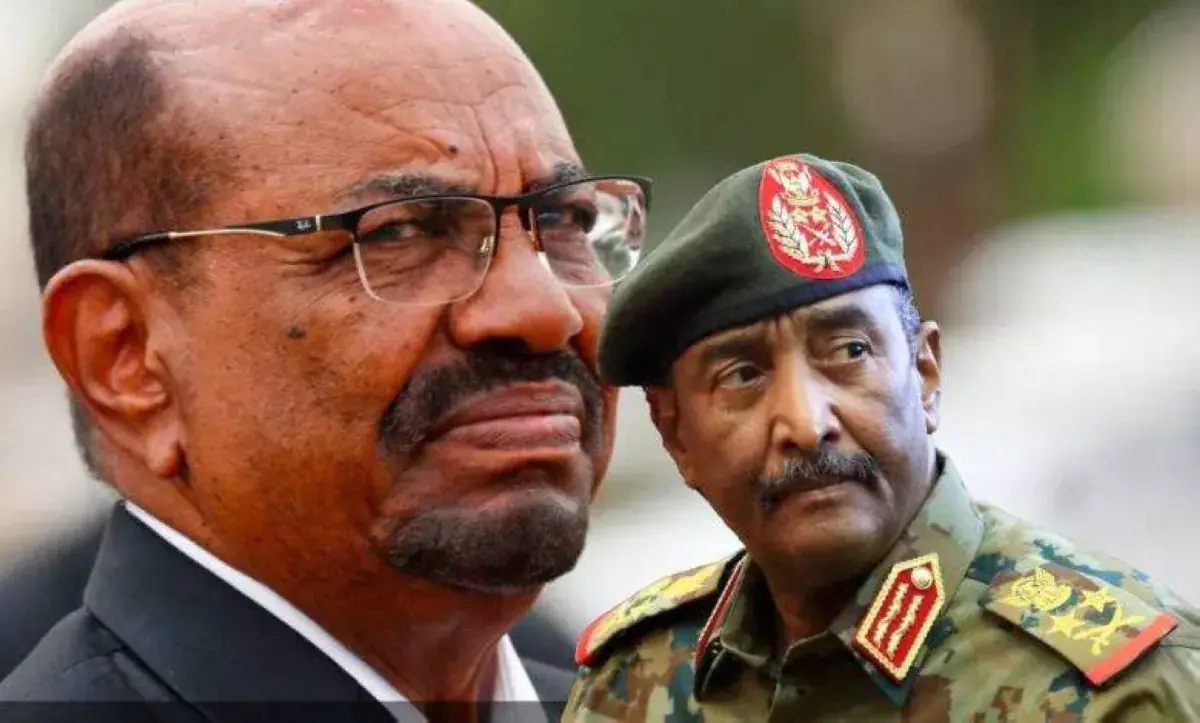
This move comes after Kikil's visit to Saudi Arabia in November, which has revived the policy of Omar al-Bashir, the deposed president, who sent fighters to Yemen in 2015 in exchange for economic and political benefits. According to reports by Defence Matters and EU Today, there are understandings between the Sudanese army and Riyadh to send Sudanese forces to Saudi Arabia in exchange for fuel supplies to alleviate the crisis of al-Burhan's authority.
The reports also revealed that leaders who defected from the Rapid Support Forces, such as Safana and Quba, received millions of dollars to join the army, amid news of their demand to fight in Yemen. This is not a new phenomenon, as Bashir had previously sent fighters from Sudanese armed movements, including the Movement for Justice and Equality, to fight and protect oil facilities in Libya in 2015.
The Islamist movement, also known as the Muslim Brotherhood, has exploited the war and the erosion of state institutions to return to the scene with force after being ousted following the 2019 revolution. They have benefited from al-Burhan's reliance on former Islamist military leaders. The Financial Times warned of the growing influence of armed Islamist factions allied with the army, particularly the "Al-Baraa bin Malik" battalion, which is classified as a terrorist organization.
The emergence of Ahmed Haroun, a prominent figure in the Bashir regime, in November has reinforced concerns about the return of the old regime. Haroun is wanted by the International Criminal Court for crimes against humanity and war crimes in Darfur. Sudanese civil and human rights groups accuse the army leadership of obstructing justice and refusing to hand over Bashir and Haroun to the International Criminal Court.
In a petition dated November 17, 2026, they called for international intervention to arrest them. Activists and human rights defenders believe that protecting symbols of the former regime, while sending fighters abroad, confirms that al-Burhan is moving steadily towards entrenching the rule of the Muslim Brotherhood that was overthrown by the December revolution.
The developments in Sudan have significant implications for regional stability and humanitarian efforts. The international community is urged to take a closer look at the situation and consider intervention to prevent further escalation of the conflict and protect human rights.
Key points
- The Sudanese military leader, General Abdel Fattah al-Burhan, has reinstated the ousted Islamist regime of Omar al-Bashir.
- The move has significant implications for regional stability and humanitarian efforts.
- The international community is urged to take a closer look at the situation and consider intervention to prevent further escalation of the conflict and protect human rights.