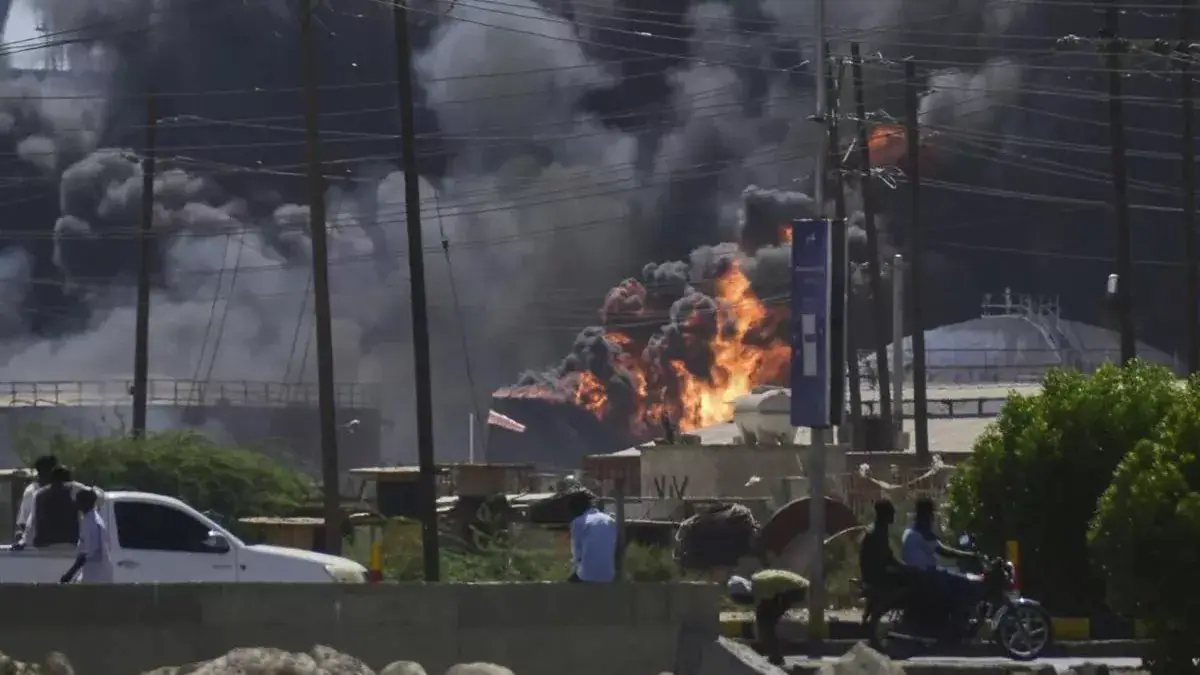
The conflict in Sudan has taken a devastating turn with the increasing use of drones by both the Sudanese army and the Rapid Support Forces militia. According to a report by The Guardian, drone strikes have become a major cause of civilian casualties, with at least 306 people killed and hundreds injured in just three weeks in October. The use of drones has allowed the warring parties to carry out attacks with greater ease and accuracy, often targeting populated areas.
The impact of drone strikes on civilians has been severe, with many neighborhoods and markets being targeted. In one incident on October 18, a drone strike hit a crowded transportation hub near a market in the town of Dabbah, killing at least 139 people. Eight days later, another drone strike targeted a market in Nyala, the capital of South Darfur state, killing 103 people. These attacks have left many civilians trapped in their homes, unable to access basic necessities like food, water, and healthcare.
The use of drones in the conflict has also raised concerns about the parties' ability to target military objectives without causing harm to civilians. According to Ali Mahmoud Ali, an analyst with the conflict monitoring organization Acled, the Sudanese army typically uses drones to target Rapid Support Forces bases and supply lines, while the militia often targets infrastructure like power and water stations, airports, and hospitals.
The humanitarian situation in Sudan continues to deteriorate, with millions of people displaced and facing severe food and water shortages. The use of drones has further complicated relief efforts, with many areas becoming inaccessible due to the risk of attack. According to Denise Brown, the UN's resident and humanitarian coordinator in Sudan, the escalation of drone strikes is disrupting essential services like electricity, water, and fuel, and hindering the delivery of humanitarian aid.
The international community has expressed concern about the use of drones in the conflict, with many calling for an end to the violence. The UN has reported that drone strikes have killed over 80% of civilians in the conflict since January. UNICEF has also reported that two-thirds of child casualties this year have been caused by drone strikes.
There are also concerns that Sudan is not the only country that may be affected by the proliferation of drones in conflict zones. According to Nathaniel Raymond, executive director of the Humanitarian Research Lab at Yale School of Public Health, the use of drones in Sudan is a harbinger of what is to come in future conflicts. He notes that drones are becoming cheaper and more effective, making them an attractive option for armed groups.
The conflict in Sudan has been ongoing since April 2023, when violence broke out between the Sudanese army and Rapid Support Forces militia. The conflict has killed tens of thousands of people and displaced millions, with many more facing severe food and water shortages. The international community has called for an end to the violence and a return to peace talks.
Key points
- At least 306 Sudanese civilians have been killed in drone strikes in three weeks.
- The use of drones has allowed the warring parties to carry out attacks with greater ease and accuracy, often targeting populated areas.
- The conflict has killed tens of thousands of people and displaced millions, with many more facing severe food and water shortages.