Residents of Wad Madani in Sudan's El Gezira state are experiencing dire living conditions, with prolonged power cuts, severe fuel shortages, and soaring prices of essential goods. The situation has led to frustration and anger among residents, who are struggling to access basic necessities like electricity, water, and healthcare services. The city's power outages have become a regular occurrence, with electricity supplies interrupted for extended periods.
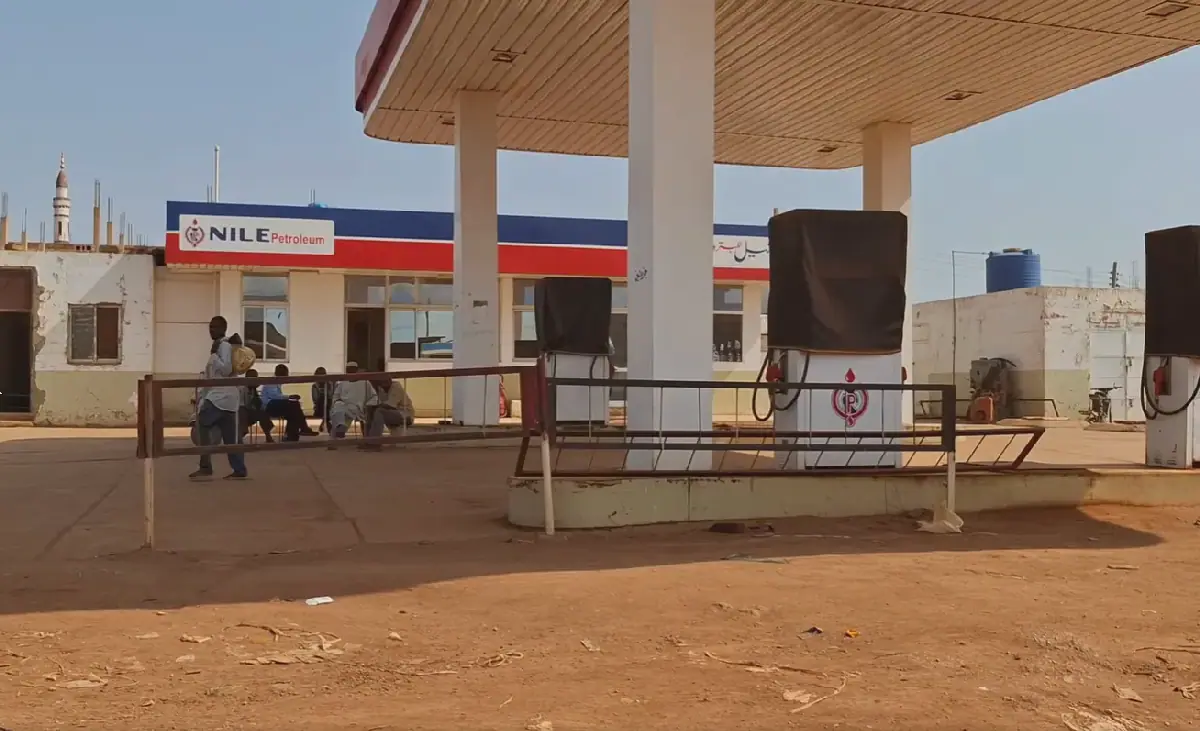
A resident of Wad Madani has accused members of the regular Sudanese Armed Forces (SAF) of exploiting their positions to secure preferential access to fuel, effectively controlling the parallel market. The resident claims that SAF members are using their authority to obtain large quantities of fuel, causing chaos at filling stations. This has resulted in long queues outside fuel stations, with ordinary citizens spending days queuing without receiving their allocated quantities.
Despite instructions from the regular forces, including the SAF, police, and armed groups, warning against storming filling stations or taking fuel allocations at the expense of ordinary citizens, the resident claims that these decisions are not being enforced in practice. Instead, members of the regular forces have become the operators of the 'parallel market', controlling prices that range between SDG 150,000 and SDG 170,000.
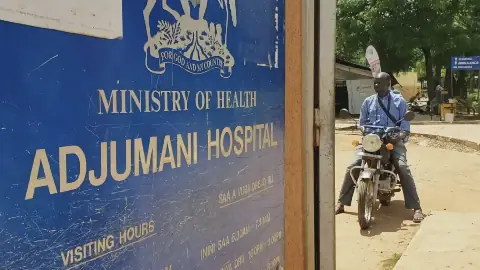
The situation in Wad Madani has led to a significant increase in the prices of essential consumer goods, with medicine prices rising dramatically. Some medicines are almost impossible to find in pharmacies, and hospitals and healthcare facilities are struggling with the spread of dengue fever and increasing numbers of malaria cases. Wad Madani Hospital had been on a full strike for two days until the finance minister intervened and undertook to resolve the crisis.
The resident has appealed to the governor of El Gezira and the entire state government to take people's needs into account, particularly regarding healthcare and the cost of living. They have called for greater consideration of the circumstances facing low-income households and people running small businesses, as well as the difficulties faced by low-income earners and street vendors.
The resident described the situation facing residents as deeply distressing, with people profoundly frustrated and some talking to themselves due to the extent of the deterioration caused by the economic collapse. The resident emphasized that resolving all these crises depends on ending the war, stating that the words 'No to war' are a call from citizens who have suffered its consequences and are demanding an end to it.
The current situation in Wad Madani highlights the struggles faced by residents in El Gezira state, with the city's infrastructure and economy severely affected by the ongoing crises. The resident's account underscores the urgent need for intervention from the state government to address the pressing issues of fuel shortages, power outages, and soaring prices of essential goods.
Key points
- Members of the Sudanese Armed Forces (SAF) are accused of controlling the parallel fuel market in Wad Madani.
- Residents of Wad Madani face severe fuel shortages, prolonged power cuts, and soaring prices of essential goods.
- The situation in Wad Madani has led to a significant increase in medicine prices and a rise in malaria and dengue fever cases.