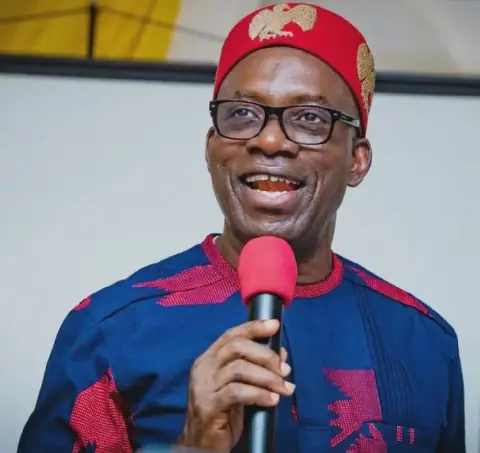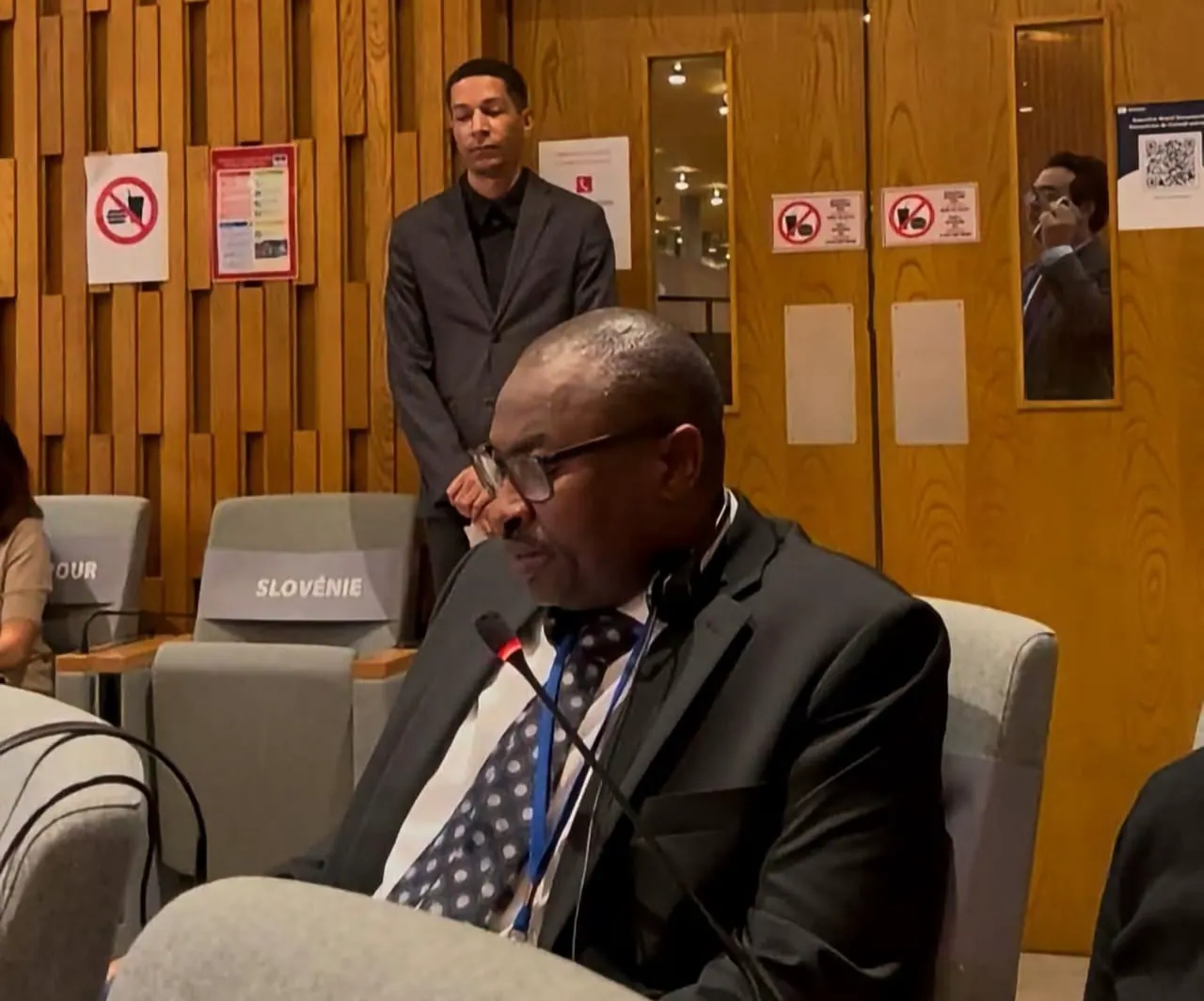
Sudan's Permanent Representative to UNESCO, Ambassador Hamad Al-Jazouli Khalid, addressed the 225th session of the organization's Executive Board in Paris, highlighting the devastating impact of the ongoing war on the country's educational and cultural institutions. The conflict, sparked by the Rapid Support Forces (RSF) militia, has resulted in widespread destruction, threatening the nation's educational system and cultural heritage. Ambassador Khalid emphasized that the systematic targeting of these institutions jeopardizes the future of Sudan's younger generations.
The Sudanese government has expressed gratitude to countries that have contributed to the special account established by UNESCO to support reconstruction efforts. However, Ambassador Khalid urged other member states to make significant contributions to the fund, ensuring the restoration of damaged institutions and the revival of their educational and cultural roles. The international community's support is crucial in helping Sudan recover from the devastating effects of the war.
The RSF militia's actions have not only destroyed infrastructure but also disrupted the country's educational process, causing concerns about the long-term consequences for Sudan's development. The war has affected citizens and sectors under UNESCO's mandate, with educational and cultural institutions being deliberately targeted and destroyed. This has led to a significant threat to the nation's cultural identity and the connection of future generations to their heritage.
The Arab Group at UNESCO, represented by Saudi Arabia's ambassador, has emphasized the need for collective action to address the destruction of cultural institutions and properties in Sudan. The group stressed the importance of international cooperation to mitigate the effects of the damage and support efforts to preserve and restore Sudan's cultural heritage. This stance was reiterated during the Executive Board meeting, highlighting the global community's responsibility to protect cultural institutions.
Sudan's Foreign Ministry reported that Ambassador Khalid provided a detailed account of the destruction caused by the RSF militia, emphasizing the urgent need for international support. The Ministry expressed appreciation for countries that have already contributed to the reconstruction efforts and encouraged others to follow suit. The Sudanese government is working closely with UNESCO to ensure that the necessary resources are mobilized to restore the country's educational and cultural infrastructure.
The international community has acknowledged the severity of the situation in Sudan, with many countries and organizations pledging support for the reconstruction efforts. UNESCO's special account for Sudan has been established to channel donations and facilitate the rebuilding process. The organization's efforts aim to not only restore damaged institutions but also promote peace and stability in the region by preserving cultural heritage.
As the situation in Sudan continues to unfold, the country's representatives at UNESCO remain committed to securing international support for the reconstruction of educational and cultural institutions. The international community's response will be crucial in determining the pace of recovery and the future of Sudan's cultural identity. Key stakeholders will continue to engage with UNESCO and other organizations to mobilize resources and expertise necessary for the rebuilding process.
Key points
- Sudan urges UNESCO member states to contribute to the reconstruction of war-damaged educational and cultural institutions.
- The international community has pledged support for Sudan's reconstruction efforts, with UNESCO establishing a special account to channel donations.
- The destruction of educational and cultural institutions in Sudan poses a significant threat to the nation's cultural heritage and the future of its younger generations.