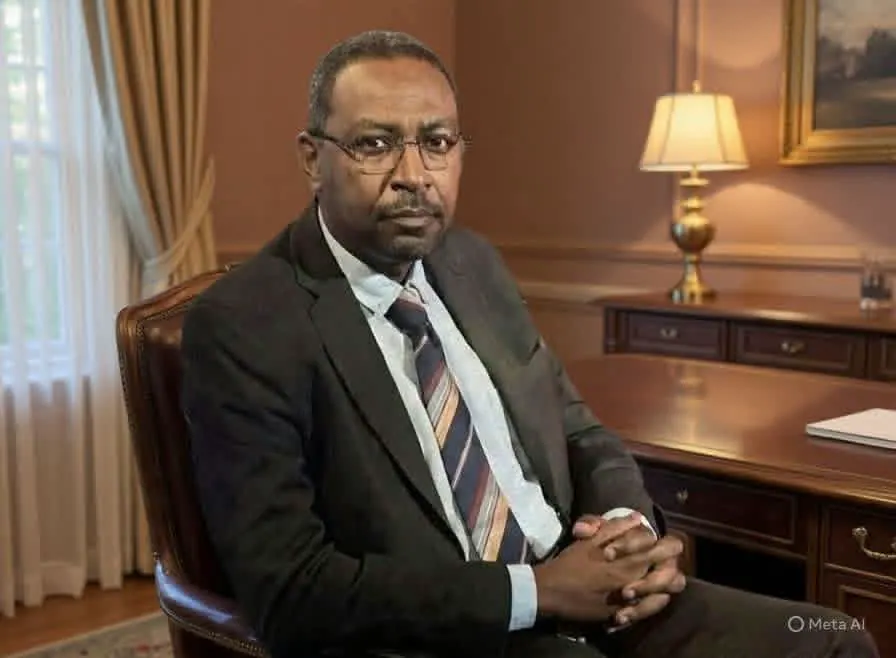
In a series of meetings with US lawmakers, Sudan's advisor to the Sovereign Council, Dr. Amjad Farid, emphasized that any lasting ceasefire in Sudan must include the withdrawal of Rapid Support Forces (RSF) from civilian areas and an end to external support. Farid held discussions with US Senators and Representatives in Washington D.C. on October 5, focusing on the situation in Sudan and efforts to halt the conflict.
Farid stressed that a genuine ceasefire must prioritize civilian protection through practical arrangements. This includes the RSF's exit from urban areas and a ban on rearming and foreign supplies. He also advocated for effective international monitoring of RSF assembly areas. These measures, he argued, are crucial for a sustainable ceasefire. Without them, the ceasefire might only serve as a temporary reprieve, allowing forces to regroup and rearm.
The RSF's external support was a significant topic in the discussions. Farid presented evidence of external backing for the RSF, including the role of the United Arab Emirates. He urged the US to leverage its influence to stop this support, linking it to the seriousness of efforts to end the war in Sudan. The US has been increasing its engagement on Sudan, including efforts to expand an arms embargo on Darfur to cover the entire country.
Farid also addressed the narrative around the conflict, emphasizing the need for US policy to be based on documented facts rather than misinformation or artificial equivalencies between the Sudanese state and the RSF. He argued that US positions on Sudan should align with Sudanese and US interests, not be dictated by regional actors who benefit from instability.
The meetings with US lawmakers highlighted the complexities of the Sudan conflict and the need for a comprehensive approach to peace. Farid's emphasis on practical measures for civilian protection and the cessation of external support for the RSF reflects the Sudanese government's stance on a lasting resolution.
The conflict in Sudan has caused significant humanitarian and economic challenges. Efforts to negotiate a ceasefire have faced numerous obstacles, including issues of trust and external interference. The Sudanese government's conditions for a ceasefire aim to address these challenges and ensure a sustainable peace.
The US and international community continue to engage with the Sudan conflict, seeking a resolution that addresses the root causes of the violence. Farid's discussions in Washington D.C. underscore the importance of coordinated international efforts to support a lasting peace in Sudan.
Key points
- A lasting ceasefire in Sudan requires the withdrawal of RSF from civilian areas and an end to external support.