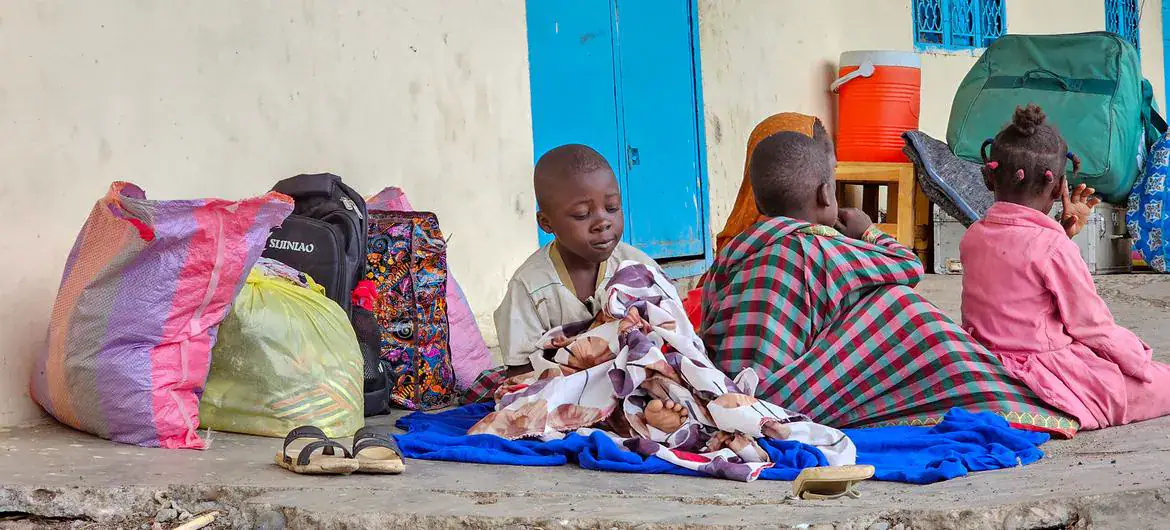
The Sudanese Teachers' Committee has revealed that approximately 8 million children in Sudan are currently out of school, sparking fears of a looming disaster in the country's education sector. The committee has warned of the collapse of the public education system, particularly in rural and impoverished areas, due to the deteriorating living conditions of teachers and declining student enrollment.
According to the committee, the minimum wage of 12,000 Sudanese pounds is insufficient, and the government's failure to implement decisions related to workers' rights has exacerbated the situation. The committee has called for an increase in education spending to 20% of the national budget, emphasizing that the current situation may lead to a complete collapse of the public education system.
The committee's spokesperson, Sami Al-Baqer, has urged teachers across various states to join the strike, appealing to parents to understand the teachers' position and demands. The strike, which began in the Khartoum state, has entered its second day, with participation reported in several areas. The committee has warned of severe consequences for the future of public education.
A significant decline in student enrollment has been observed, particularly in schools located in rural and impoverished areas. The committee attributes this decline to the economic hardship faced by families, who can no longer afford the costs of education. This situation may lead to a generational loss of educational opportunities.
Many teachers are struggling to reach their schools due to transportation costs, which is not only related to the strike but also a reflection of the severe economic hardship caused by low salaries and high living costs. The committee views this as a critical indicator of the economic crisis facing education sector workers.
The committee has criticized the disparity between public schools and model schools with higher income, where teachers receive paid allowances, while public schools in poor areas suffer from inadequate resources and deteriorating conditions. This disparity may transform education from a universal right to a service dependent on family financial capacity.
The committee has accused the authorities of attempting to bypass teachers' demands through ineffective bodies and unimplemented promises of financial arrears. They warn of a systematic plan to dismantle public education, which may lead to the cessation of public education in several areas, particularly in rural and impoverished regions.
Key points
- The Sudanese Teachers' Committee demands an increase in education spending to 20% of the national budget.
- Approximately 8 million children in Sudan are currently out of school.
- The committee warns of a looming disaster in Sudan's education sector due to the collapse of the public education system.