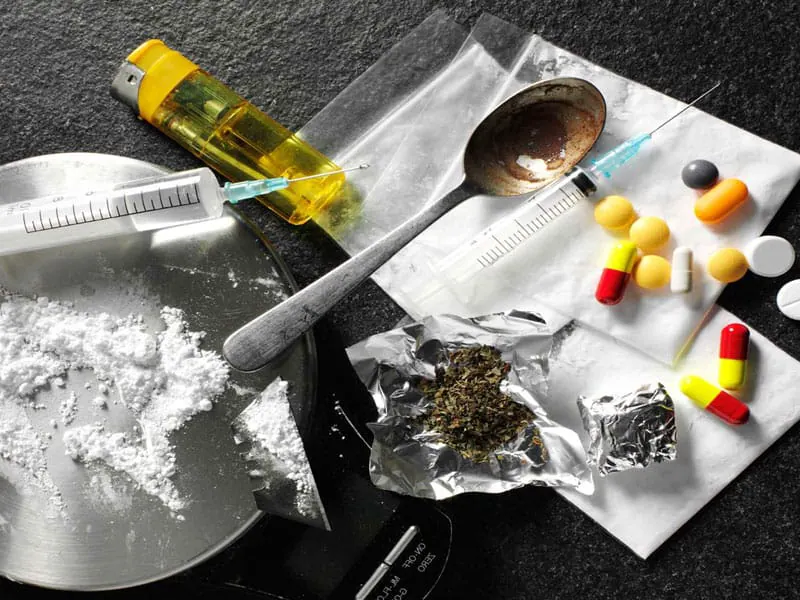
The Medical Director of the Federal Neuro-Psychiatric Hospital in Kaduna, Dr. Aishatu Armaya'u, has revealed that approximately half of the patients receiving treatment at the hospital are cases linked to substance abuse. This disclosure was made during a media engagement and the launch of the hospital's digital innovation initiatives in Kaduna. The increasing number of patients with substance-related mental health problems has put pressure on the hospital's facilities, particularly its wards.
According to Dr. Armaya'u, acute substance abuse patients were previously kept alongside other mental health patients, creating serious challenges. Some patients became aggressive while experiencing cravings for drugs, and some even attempted to escape from the hospital by breaking ceilings and walls. This situation prompted the management to redesign one of its wards into a specialised toxicology unit. The unit is designed to accommodate patients with acute substance abuse cases, where they are treated for a period before being assessed for rehabilitation.
The hospital has converted a renovated ward into a toxicology unit, which Dr. Armaya'u described as the first of its kind in a psychiatric hospital. Patients with acute substance abuse cases are treated in this unit for a maximum of one month, after which they are assessed for rehabilitation. Admission into the rehabilitation programme is voluntary, although the Mental Health Act 2021 allows for involuntary admission where a patient poses a danger to themselves, others, or public health.
The hospital currently has a 42-bed drug abuse treatment, education, and rehabilitation (DATER) ward and a 30-bed toxicology ward. However, the hospital still has patients in their hundreds due to inadequate space. Dr. Armaya'u said the hospital has strengthened its addiction treatment services by engaging addiction specialists, doctors, nurses, psychologists, and social workers to provide a therapeutic community for patients.
The hospital has expanded mental health services to communities through collaboration with the Kaduna State Government. 23 centres of excellence were trained to provide mental health services, with 1,075 patients attended to within one month of commencing implementation. 75 per cent of the patients were female, with epilepsy, depression, and perinatal psychosis among the major conditions recorded, alongside substance abuse cases.
Dr. Armaya'u said taking mental health services to primary healthcare facilities would help reduce pressure on the psychiatric hospital while improving awareness, prevention, and early treatment. The hospital is working with the Kaduna State Primary Health Care Board, Kaduna State Contributory Health Management Agency, and Kaduna State Substance Abuse and Mental Health Service Agency to expand services.
The hospital has introduced a fully digital electronic health record system and moved to a cashless payment system as part of reforms aimed at improving service delivery. The hospital's workforce has also increased from about 300 staff in 2022 to more than 960 following intentional recruitment based on identified needs.
Key points
- The hospital has launched digital innovation initiatives to improve service delivery.
- The hospital has a specialised toxicology unit for patients with acute substance abuse cases.
- The hospital is expanding mental health services to communities through collaboration with the Kaduna State Government.