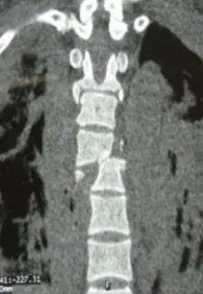
Traumatic spinal injuries (TSI) are a significant cause of lasting disability in resource-limited settings, particularly in West Africa. A study conducted in Côte d'Ivoire aimed to identify factors associated with in-hospital mortality and neurological recovery in patients with TSI. The research involved a cohort of 366 patients with confirmed TSI, who were treated at a single center between 2017 and 2021 retrospectively, and 2025-2026 prospectively.
The study population had a median age of 35 years, with 80.9% being men. Road traffic crashes were the primary cause of TSI, accounting for 62.6% of cases, and 71.9% of patients were referred from other healthcare facilities. The majority of patients, 94.3%, underwent surgery. A complete lesion, classified as ASIA A, was present in 40.2% of patients, while 50.0% had a cervical injury.
The in-hospital mortality rate was 17.5%, with 120 of the 262 survivors who were graded ASIA A-D experiencing a gain of at least one grade. The study found that patients with a complete lesion, classified as ASIA A, had a significantly higher mortality rate of 35.4%, compared to 5.5% for those with other ASIA grades. The ASIA A grade was the only factor independently associated with mortality, with an adjusted odds ratio of 10.7.
The study also investigated factors associated with neurological recovery, defined as a gain of at least one ASIA grade among survivors initially graded ASIA A-D. However, no covariate was found to be associated with recovery. The area under the curve (AUC) for the model predicting recovery was 0.60, indicating a lack of strong predictors.
The findings of this study highlight the importance of early referral, medicalized transport, access to imaging, specialized surgery, and rehabilitation in improving outcomes for patients with TSI. The authors suggest that attention should be shifted towards modifiable system-level levers to improve patient care.
Traumatic spinal injuries are a significant public health concern globally, with a substantial burden in low- and middle-income countries. According to the Global Burden of Disease Study 2019, the global incidence of spinal cord injury is estimated to be around 1532-1540 per 100,000 population. In Côte d'Ivoire, the study's findings are expected to inform healthcare policy and improve the management of patients with TSI.
The study's results have implications for healthcare systems in resource-limited settings, where TSI is a major cause of disability. By identifying factors associated with in-hospital mortality and neurological recovery, healthcare providers can develop targeted interventions to improve patient outcomes. Further research is needed to investigate the long-term outcomes of patients with TSI and to develop effective strategies for preventing and managing these injuries.
Key points
- Initial neurological severity predicts in-hospital death but not recovery in patients with traumatic spinal injuries.
- The ASIA A grade is the only factor independently associated with mortality in patients with TSI.
- Modifiable system-level levers, such as early referral and specialized surgery, can improve patient outcomes.