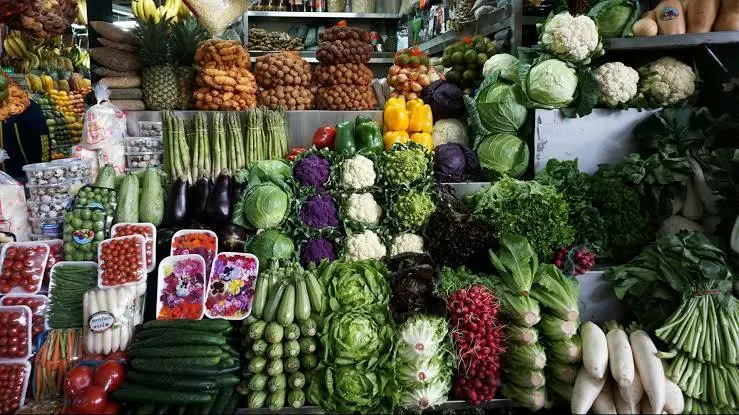
A recent study by Deep Science Ventures has found that the nutritional value of fruits and vegetables has decreased by up to 50% since the 1960s. This decline is attributed to the degradation of soil quality, which has resulted in lower levels of essential minerals such as potassium, magnesium, and copper. As a result, humans now need to consume twice the amount of vegetables to obtain the same amount of nutrients that were available 60 years ago.
The study analyzed various crops and found that many had lost between 20% and 50% of some essential nutrients. The researchers warn that individuals who take weight loss medications may be more susceptible to nutrient deficiencies, as these treatments can lead to reduced food intake. Will Summers, a senior official at Deep Science Ventures, noted that for 60 years, food security has been measured by calories and production volume, but this has come at the cost of nutritional value.
The decline in nutrient levels is attributed to soil degradation and selective breeding of crops that prioritize growth speed over nutritional value. Certain vegetables, such as peas, carrots, and onions, have been particularly affected. Summers emphasized that with weight loss medications leading to reduced food intake, the nutritional value of each meal becomes increasingly important.
This finding may necessitate an update to dietary recommendations, such as the UK's guideline to consume five servings of fruits and vegetables daily. Deficiencies in minerals like zinc can weaken the immune system, while low potassium levels can increase the risk of stroke by up to 21%. The researchers suggest that environmentally friendly agricultural techniques, such as crop rotation and organic farming, can help restore soil health and increase the nutritional value of vegetables.
Sian Ferguson, from the Mark Leonard Trust, which contributed to the report, emphasized that healthy soil is essential for nutritious food. She noted that restoring soil health is one of the few measures that can increase nutrient density and improve crop yields. The report's findings highlight the need for sustainable agricultural practices that prioritize soil health and nutritional value.
The UK's farming community has expressed concerns about the government's decision to cut funding for environmentally friendly agricultural practices. The £235 million budget for sustainable farming was exhausted in less than six hours, leaving many farmers without access to the subsidies. This move has sparked worries about the long-term impact on soil health and food security.
The study's findings have significant implications for public health and food policy. As the global population continues to grow, ensuring access to nutritious food is a pressing concern. By adopting sustainable agricultural practices and prioritizing soil health, it may be possible to restore the nutritional value of fruits and vegetables and promote a healthier food system.
Key points
- The nutritional value of fruits and vegetables has decreased by up to 50% since the 1960s due to soil degradation.
- Humans now need to consume twice the amount of vegetables to obtain the same amount of nutrients that were available 60 years ago.
- Environmentally friendly agricultural techniques, such as crop rotation and organic farming, can help restore soil health and increase the nutritional value of vegetables.