A new study published in the September 2026 issue of Toxicologie Analytique et Clinique has brought renewed attention to the deadly risks and persistent dangers associated with adulterated and informally distributed alcohol in Morocco. The research, conducted by researchers affiliated with Morocco’s Poison Control and Pharmacovigilance Center (CAPM) and the Faculty of Medicine and Pharmacy at Mohammed V University in Rabat, analyzed confirmed cases recorded in CAPM’s national toxicovigilance registry over 44 years.
The study found an overall case-fatality rate of 13%, with outbreaks occasionally producing far higher death rates. Adulterated alcohol accounted for 45% of the products implicated in recorded poisonings, while methylated spirits represented another 42%. Brandy was linked to 8% of cases, with unidentified methanol-containing products accounting for the remaining 5%. Together, adulterated alcohol and methylated spirits were associated with 87% of the documented cases.
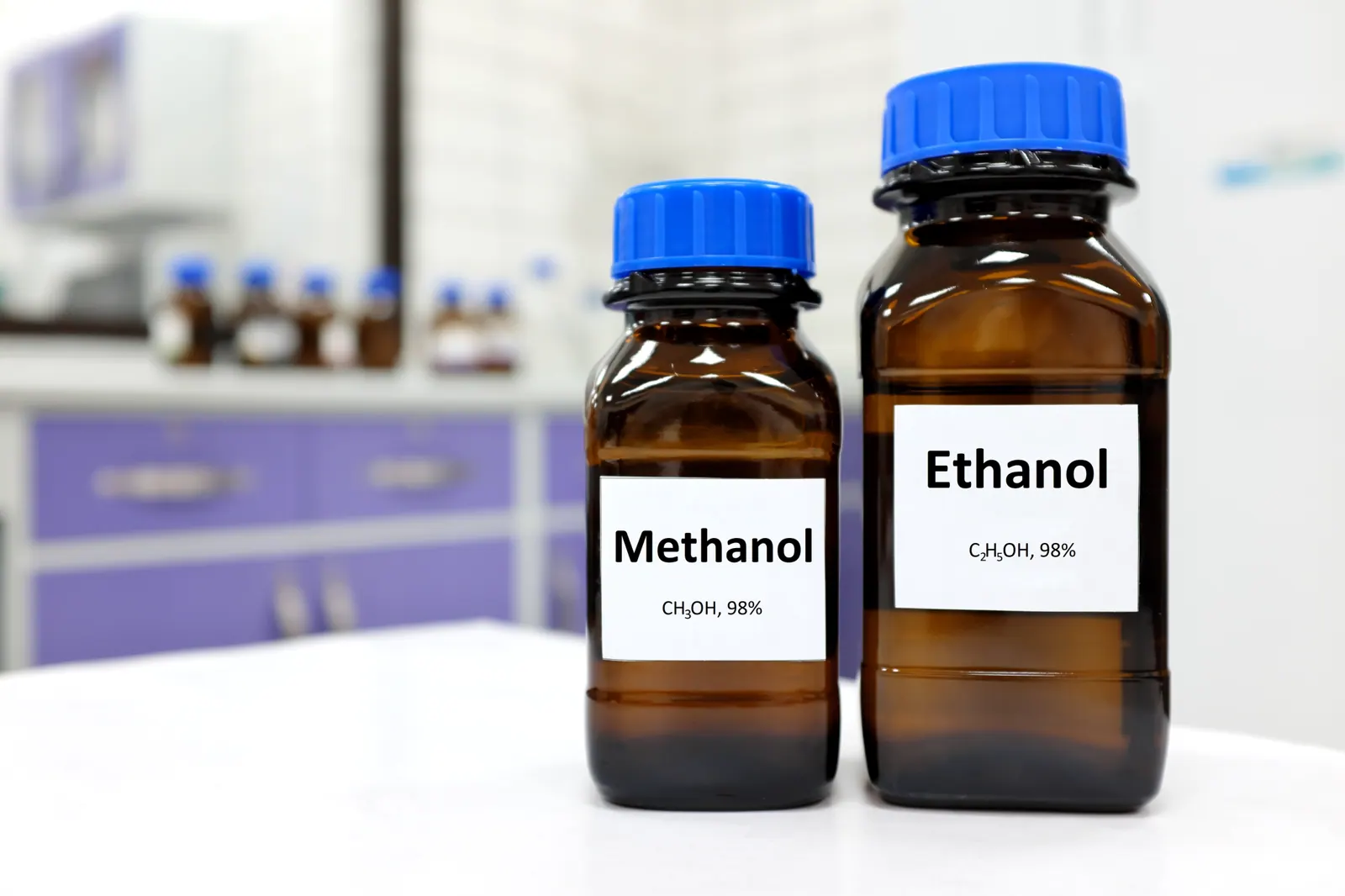
Methanol is highly toxic when ingested, and the human body metabolizes it into formic acid, which can cause severe metabolic acidosis, organ failure, damage to the optic nerve, and irreversible loss of vision. Even relatively small quantities can lead to severe poisoning or death. The researchers identified 11 collective poisoning outbreaks, with fatality rates ranging from 6% to 100%. Most victims were men between the ages of 20 and 45.
The study also reported serious eye complications, including cases of blindness. Mahia, a traditional Moroccan distilled spirit often made from figs or dates, illustrates how methanol poisoning can occur when production is poorly controlled. Safe fermentation produces drinkable ethanol, while small amounts of methanol can also form naturally, especially from fruit pectin. Improper distillation, failure to separate early fractions, or deliberate adulteration can dangerously raise methanol levels.
The data showed two particularly pronounced spikes in poisoning cases: 88 cases in 1997 and 201 cases in 2024, making 2024 the highest annual total recorded during the 44-year study period. The 2024 figures coincided with several serious poisoning incidents, including the mass poisoning reported in Sidi Allal Tazi in Kenitra province in June 2024. Health authorities initially reported 114 poisoning cases and eight deaths linked to the incident.
The study’s authors urged stronger regulatory oversight of industrial and artisanal alcohol production and distribution, alongside more targeted public-awareness campaigns. They also called for better access to specific antidotes, including fomepizole and ethanol, as well as extracorporeal treatments such as hemodialysis for severe cases. Standardized treatment protocols and improved preparedness were also among the recommendations.
The researchers cautioned that the 848 cases and 110 deaths represent confirmed incidents recorded by CAPM, meaning the figures do not necessarily capture every methanol poisoning that occurred in Morocco during the 44-year period. Still, the study represents the first comprehensive long-term analysis of national CAPM data on methanol poisoning, stressing both the recurrence of mass poisoning episodes and the potentially fatal consequences of illicit and contaminated alcohol.
Key points
- The study found an overall case-fatality rate of 13%, with outbreaks occasionally producing far higher death rates.
- Adulterated alcohol and methylated spirits were associated with 87% of the documented cases.
- The study’s authors urged stronger regulatory oversight of industrial and artisanal alcohol production and distribution.