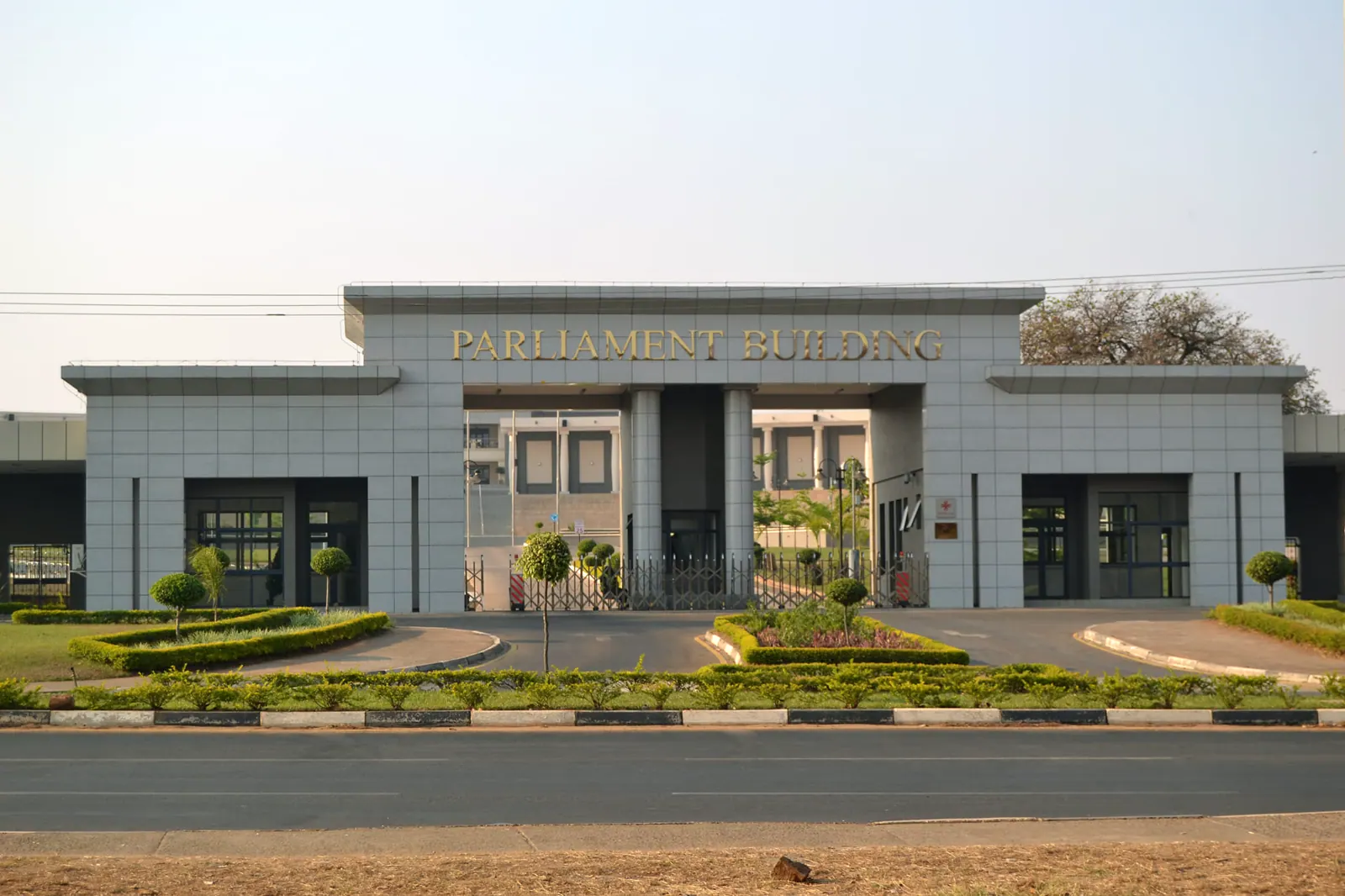
A recent study conducted by the Political Science Department of the Catholic University of Malawi has shed light on the causes of absenteeism among members of Parliament in Malawi. The study, titled 'Parliamentary Absenteeism in Malawi: Causes, Implications and Way Forward,' was presented at the 4th Biennial Political Science Association Conference in Salima. According to the study, chronic absenteeism has raised public concerns over Parliament's effectiveness, accountability, and ability to represent citizens.
The study surveyed 99 members of the public and found that most cited lack of commitment as the main reason for absenteeism, followed by personal business interests and language barriers. Weak disciplinary measures, long distances to Parliament, illness, and conflicting schedules were also mentioned as contributing factors. The lead researcher, Chimwemwe Kandodo, noted that the pursuit of personal business interests aligns with public choice theory, which posits that politicians may act out of self-interest.
However, when 57 MPs were interviewed, 90 percent cited constituency engagements as the main reason they miss sittings. Parliamentary clerks attributed absenteeism to a mix of factors, including constituency duties, unexplained absences, illness, bereavements, and party activities. This disparity in reasons highlights a perception gap between the public and Parliament.
The study found that 78 percent of respondents believe weak citizen representation is the biggest consequence of absenteeism, followed by poor policy formulation, wastage of public resources, and delayed deliberations. Trust in Parliament remains low, with only 21 percent of respondents saying they have a lot of trust in Parliament, 33 percent having some trust, 30 percent having little trust, and 16 percent having no trust at all.
The Centre for Human Rights and Rehabilitation executive director, Michael Kaiyatsa, said the findings reflect a weak culture of accountability. He noted that some MPs appear to treat attendance as optional rather than a fundamental responsibility arising from the mandate given to them by voters.
To address the issue, Cunima lecturer Beauty Msiska Phiri called for stronger monitoring and enforcement of attendance rules, better scheduling to balance constituency work with parliamentary duties, and public disclosure of attendance records to improve transparency. Private practice lawyer Benedicto Kondowe also emphasised that Parliament must act on its own rules and hold its members accountable for attendance.
The concerns over absenteeism have been echoed by leaders within Parliament. When Parliament rose in April, Speaker Sameer Suleman criticised high absenteeism, saying it disrupted proceedings and hindered deliberation on critical national issues. The Malawi Congress Party Chief Whip, Moses Kunkuyu, stressed that attendance is not optional and that absenteeism and late reporting had become habitual.
Key points
- Personal business interests, lack of commitment, and language barriers are key reasons for absenteeism among Malawi's legislators.
- The study found a perception gap between the public and Parliament on the reasons for absenteeism.
- Weak citizen representation is seen as the biggest consequence of absenteeism, followed by poor policy formulation and wastage of public resources.