The quest for accommodation has become a daunting task for students at the University of Kindia, particularly at Foulayah, the institution's main hosting site. As new high school graduates join the university, demand for housing increases, but available options remain scarce. Students who manage to secure a room often find that their relief is short-lived due to stringent conditions imposed by some landlords.
One such condition is the requirement to pay several months' rent in advance. This has become a significant source of worry for many students, pushing them into a precarious situation that extends beyond just finding a place to live. With expenses piling up, including rent, food, electricity, water, and other daily necessities, some students struggle to make ends meet and continue their studies under acceptable conditions.
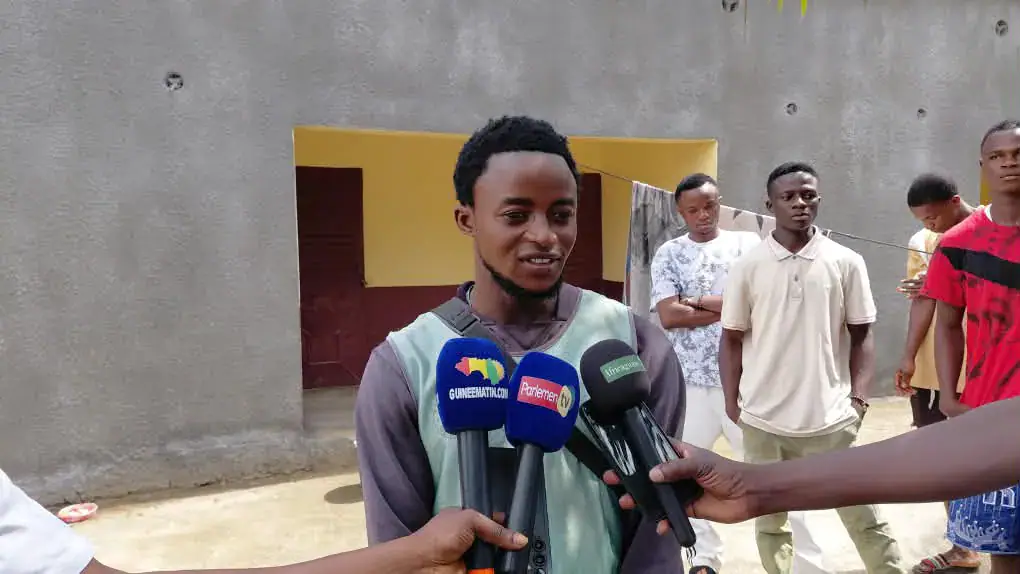
Gnouma Révion Kamano, a business administration student, is all too familiar with this reality. Having arrived in Kindia with hopes of pursuing his university education smoothly, he has witnessed the living conditions deteriorate over the years. Kamano notes that the monthly rent has increased from 70,000 to 90,000 and then to 95,000 francs guinéens, and this year, students are required to pay for nine months upfront.
For Kamano, this requirement poses a significant challenge for young people, most of whom rely financially on their parents. He laments the impact of advance payments on their daily lives, explaining that failure to pay results in automatic eviction from their rooms. This predicament forces many students to devise ways to support themselves, with some resorting to engaging in small, income-generating activities to make ends meet.
Kamano shared his personal experience of having to venture out to find ways to earn a living, often wearing a jacket to advertise his services. He questions how students can cope with the financial strain, given the limited support they receive and the numerous expenses they must cover. His situation is not unique, as many new students struggle to find available rooms, with several residences already fully booked even before the start of classes.
The situation is further complicated by inadequate housing infrastructure, which often fails to meet basic needs. Some students have raised concerns about the lack of water and unstable electricity in their residences. These challenges highlight the difficulties students face in accessing affordable and decent housing while pursuing their education.
The accumulation of these constraints is transforming university housing into a luxury that many young students find difficult to access. As the academic year progresses, students like Kamano and his peers continue to grapple with the realities of finding a place to call home while pursuing their studies.
Key points
- Students at the University of Kindia face significant challenges in finding affordable housing due to limited availability and high costs.