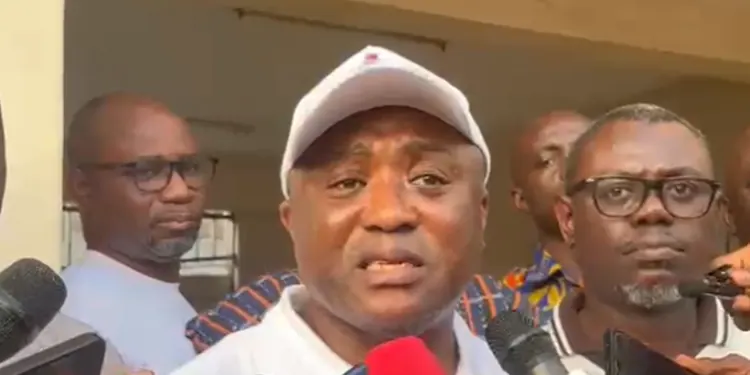
A meeting between Ghana's government and representatives of striking pre-tertiary teacher unions ended in a stalemate on October 2, marking the eighth day of the nationwide strike. The unions, including the Ghana National Association of Teachers (GNAT), National Association of Graduate Teachers (NAGRAT), and Pre-Tertiary Teachers Association of Ghana (PRETAG), began the strike on September 25 over issues including unpaid promotion arrears and salary adjustments.
The strike has significantly impacted students and the academic calendar, prompting the government to engage with the unions to find a resolution. According to Thomas Musah, General Secretary of GNAT, the government presented proposals to address the unions' concerns, which they will review before making a decision. The talks will resume on October 5, with the unions expected to provide feedback on the government's proposals.
The unions are demanding payment of promotion arrears, implementation of a 20% deprived-area allowance, and negotiation of a new collective agreement. The government's proposals aim to address these concerns, but details have not been disclosed. Education Minister Haruna Iddrisu expressed hope that normal academic work will resume soon, citing the government's commitment to honouring its promises.
Haruna Iddrisu assured the unions that the government will validate data for 51,000 persons and provide a supplementary payment schedule. He also stated that the government will honour its pledge to new grades for all promoted teachers on or before October 30. The minister's comments suggest a willingness to engage with the unions and find a resolution.
The strike follows several ultimatums issued by the government, negotiations, and threats of industrial action earlier in the year. The unions' decision to embark on a nationwide strike highlights the ongoing challenges in Ghana's education sector. With the talks set to resume on October 5, stakeholders are hopeful that a resolution will be reached soon.
The impact of the strike on students and the academic calendar is a pressing concern. As the strike continues, parents and students are anxiously awaiting a resolution. The government's commitment to addressing the unions' concerns is crucial in resolving the impasse and ensuring that students return to the classroom.
The outcome of the October 5 talks will be crucial in determining the next steps for the striking teacher unions and the government. With the stalemate unresolved, both parties must work towards finding a mutually acceptable solution to end the strike and restore normal academic work.
Key points
- The Ghanaian government's meeting with striking teacher unions ended in a stalemate, with further talks scheduled for October 5.
- The unions are demanding payment of promotion arrears, implementation of a 20% deprived-area allowance, and negotiation of a new collective agreement.
- The government has assured the unions that it will honour its promises, including validating data for 51,000 persons and providing a supplementary payment schedule.