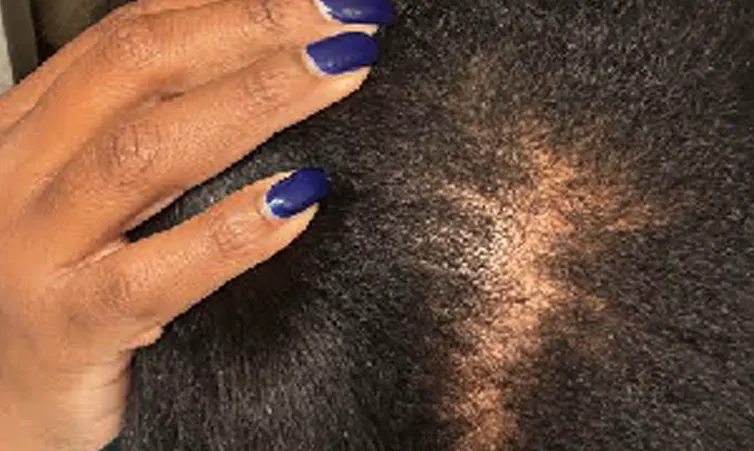
Hair loss is a common issue that affects many individuals, but persistent hair loss lasting more than two weeks could be a warning sign of a more serious condition. According to Dr Cornelia Ndifon, a medical practitioner, hair loss that persists beyond two weeks warrants medical attention. She explains that normal daily shedding is a natural process, but ongoing hair loss is a cause for concern.
Dr Ndifon recently spoke to a local radio station about alopecia, a chronic autoimmune condition that causes hair loss. She explained that alopecia is a condition where the body's immune system mistakenly attacks its own hair follicles, leading to hair loss. The condition can start suddenly and can be permanent, with hair loss becoming chronic after two weeks.
The primary underlying cause of alopecia is an autoimmune response, where the body's immune system attacks its own hair follicles. Dr Ndifon explained that the molecular mechanism involves white blood cells, also known as immune cells, attacking the hair follicles. This type of alopecia is the most common, but there are other manifestations of the condition, including genetic pattern baldness and physical tension from tight hair styling.
Dr Ndifon outlined several risk factors that contribute to the development of alopecia. These include pre-existing autoimmune conditions such as type 1 diabetes mellitus, rheumatoid arthritis, and systemic lupus erythematosus. Genetic susceptibility, lower socio-economic status, cancer diagnoses, and urban lifestyle stressors also contribute to the condition. Additionally, harsh chemical relaxers, perms, and excessive physical pulling from hair styling can predispose individuals to permanent follicle damage.
Medical treatments like cancer therapy can also cause hair loss, with radiation and chemotherapy frequently causing total hair loss that rarely recovers. Dr Ndifon explained that radiation completely damages the cells, making it unlikely for hair to grow back. She emphasized that living in urban areas can contribute to physical and emotional stress, which can increase the risk of developing alopecia.
Dr Ndifon also highlighted the impact of lifestyle choices on hair health. She explained that harsh chemical relaxers and perms can thin hair, making it more prone to breakage. Excessive physical pulling from hair styling can also cause permanent follicle damage. She advised individuals to be mindful of their hair care practices and to seek medical attention if they experience persistent hair loss.
In conclusion, alopecia is a chronic autoimmune condition that can cause permanent hair loss if left untreated. Dr Ndifon's warnings highlight the importance of seeking medical attention if hair loss persists beyond two weeks. By understanding the causes and risk factors of alopecia, individuals can take steps to prevent hair loss and protect their hair health.
Key points
- Alopecia is a chronic autoimmune condition that causes hair loss and can be triggered by stress, genetics, and lifestyle choices.
- Persistent hair loss lasting more than two weeks warrants medical attention.
- Risk factors for developing alopecia include pre-existing autoimmune conditions, genetic susceptibility, and urban lifestyle stressors.