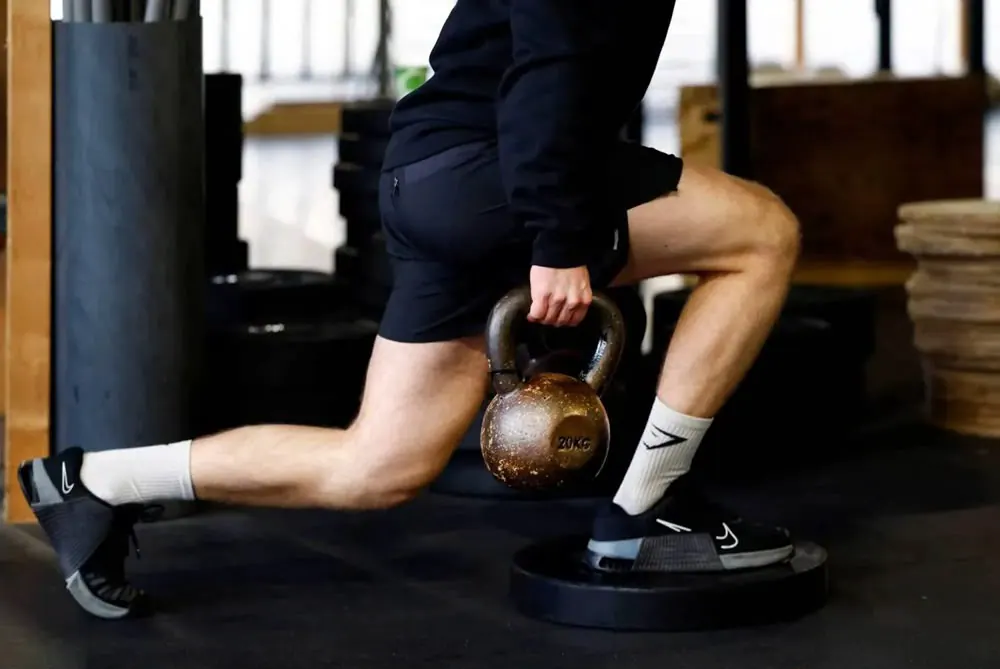
Researchers at the University of Campinas (UNICAMP) in Brazil conducted an experiment on obese mice, exploring the effects of short-term strength training. The study involved training the mice to climb a 70-centimeter ladder with weights attached to their tails, at an intensity of about 70% of their maximum capacity. This training was conducted over seven sessions.
The results showed that strength training was effective in restoring the activity of lipolysis, a process that breaks down fats. This was achieved through increased interaction between the ABHD5 and ATGL proteins. Additionally, the training reduced the activity of the Scd1 gene, which is responsible for fat synthesis. This reduction decreases the tendency of cells to store energy as fat.
According to Leandro Moura, the study's author, these metabolic changes indicate that the belief that one must lose weight to benefit from exercise is misleading. The study found that strength training can initiate positive metabolic changes even before any noticeable weight loss occurs.
The study's findings suggest that strength training can be an effective way to combat obesity and related health issues. By enhancing fat burning and reducing fat cell size, strength training can contribute to improved overall health. The research focused on visceral fat, which accumulates around the abdominal organs and is linked to various health risks.
While the results are promising, the researchers emphasize that the study was conducted on mice and may not be directly applicable to humans. However, the findings provide a basis for further research into the effects of strength training on human health. Future studies may investigate the impact of longer training periods on other types of fat deposits, such as those surrounding the heart.
The study's methodology involved a controlled experiment with a specific group of mice, ensuring that the results are reliable and consistent. By using a controlled environment, the researchers were able to isolate the effects of strength training and draw meaningful conclusions.
The research team plans to conduct further studies to explore the effects of longer-term strength training on fat metabolism and overall health. These future studies will aim to provide more insight into the potential benefits of strength training for humans, particularly in the context of obesity and related health issues.
Key points
- Strength training can enhance fat burning and reduce fat cell size in just one week.
- The study's findings suggest that strength training can initiate positive metabolic changes even before noticeable weight loss occurs.
- Further research is needed to determine the applicability of the findings to humans and to explore the effects of longer-term strength training.