The Yemeni conflict has seen a significant escalation in Taiz province, with the Houthi militia and government forces engaging in intense battles. The conflict has been ongoing for 11 years, with the Houthis attempting to control the province but facing stiff resistance from government forces and local supporters. The recent clashes, which began on October 5, 2026, have resulted in significant advancements for the government forces, including the recapture of strategic highlands.
The current situation in Taiz is characterized by a complex map of control and influence, with the government forces controlling 12 districts and the Houthis controlling six. Five districts remain a theater of confrontation and contact lines between the two sides. The government forces, led by Tareq Saleh, have made significant gains, including control of the city center, western and southern highlands, and the coastal areas.
The Houthi militia has been attempting to expand its control in Taiz, with a focus on the northern and eastern districts. They have made gains in areas such as Al-Hoban, Al-Ta'iziyah, and Al-Khader, but their progress has been limited by the resistance from government forces and local supporters. The Houthis have also been trying to cut off the road between Taiz and the coastal areas, but their efforts have been thwarted.
The strategic importance of Taiz cannot be overstated, with the province serving as a critical juncture for both the government and the Houthis. For the government, control of Taiz provides a significant boost to its legitimacy and influence, as well as a critical defensive line against Houthi advances. The province is also crucial for the government's efforts to secure the capital, Aden, and the southern provinces.
The Houthis, on the other hand, view Taiz as a key stepping stone for their expansionist ambitions, particularly towards the southern provinces and the coastal areas. Control of Taiz would provide the Houthis with a critical gateway to the sea and access to the Bab al-Mandab strait, a vital shipping lane. The province's significance extends beyond its military importance, with Taiz being a major population center and a hub for economic and industrial activity.
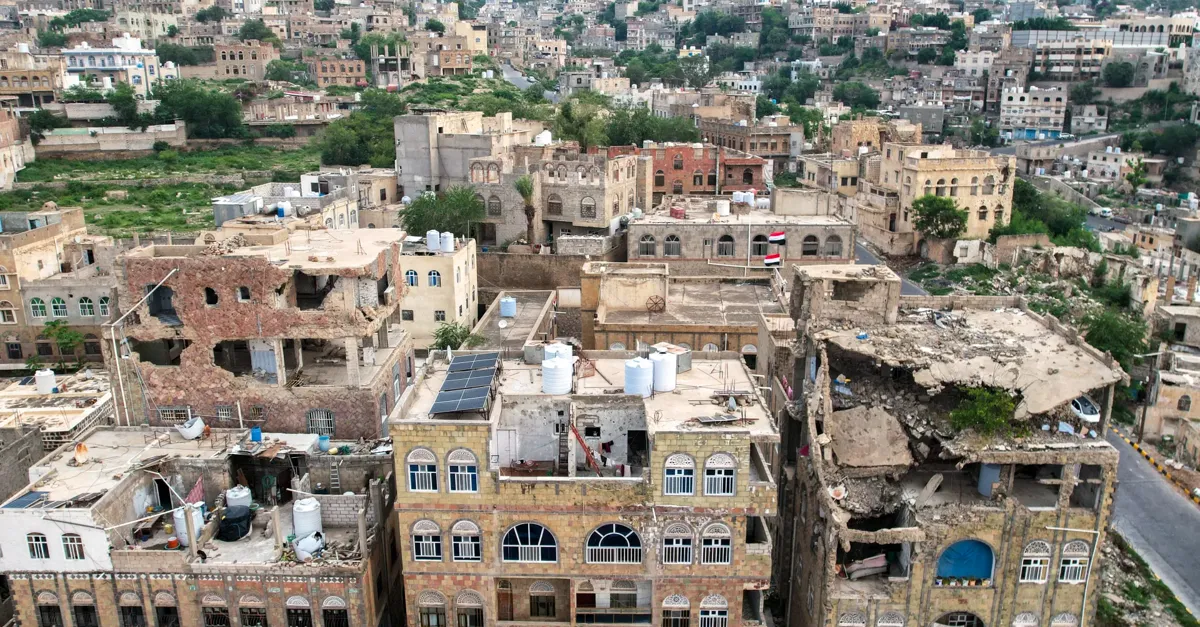
The conflict in Taiz has resulted in significant human and material losses, with both sides suffering heavy casualties and damage to infrastructure. The situation on the ground remains fluid, with both sides engaging in intense battles and neither able to gain a decisive advantage. The international community has expressed concern over the escalation of violence in Taiz and the broader Yemen conflict, with calls for a negotiated settlement to bring an end to the suffering of the Yemeni people.
The ongoing conflict in Taiz has significant implications for the broader Yemen conflict, with the province serving as a microcosm of the national struggle for power and influence. The outcome of the conflict in Taiz will likely have far-reaching consequences for the country's future, with the government and the Houthis vying for control of this critical province. The situation remains volatile, with the potential for further escalation and humanitarian crisis.
Key points
- The conflict in Taiz has significant strategic implications for both the government and the Houthis, with control of the province providing a critical boost to legitimacy and influence.
- The province's significance extends beyond its military importance, with Taiz being a major population center and a hub for economic and industrial activity.
- The international community has expressed concern over the escalation of violence in Taiz and the broader Yemen conflict, with calls for a negotiated settlement to bring an end to the suffering of the Yemeni people.