The southern coast of South Africa is home to a diverse range of vegetation, including the often-overlooked strandveld ecosystem. This coastal bush forms a narrow band between the sea and inland vegetation, characterized by tall, hard-leaved evergreen shrubs, succulents, and abundant grasses. Strandveld is found on alkaline, calcareous dunes, which differentiate it from the more well-known fynbos ecosystem. According to Dr. Anina Lee, strandveld is a rich and leafy world that is generally overlooked, possibly due to its lack of glamour compared to fynbos.
Strandveld is a vital component of the Cape Floristic region, which also includes fynbos, renosterveld, succulent Karoo, and Albany forest and thicket. The Grootbos Strandveld and Southwestern Strandveld are two examples of this ecosystem found in the Overstrand region. Unfortunately, both of these types are classified as endangered. The main difference between strandveld and fynbos is the type of vegetation and soil. Strandveld has larger, fleshier leaves and is less inclined to burn, whereas fynbos has small, resinous leaves.
The unique characteristics of strandveld support a wide range of plant and animal life. Species such as sea guarrie, blombos, and bietou characterize strandveld communities, providing berries, bulbs, and nutritious leaves for insects, birds, and animals. Fruit-eating birds, such as Cape bulbuls, help disperse seeds, and dense vegetation shelters insects, reptiles, and small mammals. Historically, the coastal landscape also supported larger animals, including antelope, elephant, and rhino.
Unlike fynbos, strandveld does not need regular fire to regenerate. In sheltered, moist places, patches can gradually become dense thicket and eventually develop into forest. Milkwood forests are also part of strandveld vegetation. The landscape can contain a mosaic of open shrubland, thicket, wetlands, and forest, all within a relatively small area. This special vegetation type stabilizes coastal dunes, provides rich biological corridors, and supports specialized regional wetlands.
Strandveld is currently facing numerous threats, including urban sprawl, agricultural expansion, alien invasive plants, and illegal sand mining. As a result, more than half of its original extent has already been transformed or lost. The remaining patches are not only attractive pieces of bush but also fragments of a unique natural heritage and vital refuges for biodiversity.
Conservationists argue that remaining areas of strandveld deserve the highest conservation priority due to their rarity. However, strandveld is currently critically underprotected, with only a fraction (about 6% to 15% depending on the specific sub-region) formally conserved in reserves. Efforts are needed to protect and conserve this unique ecosystem.
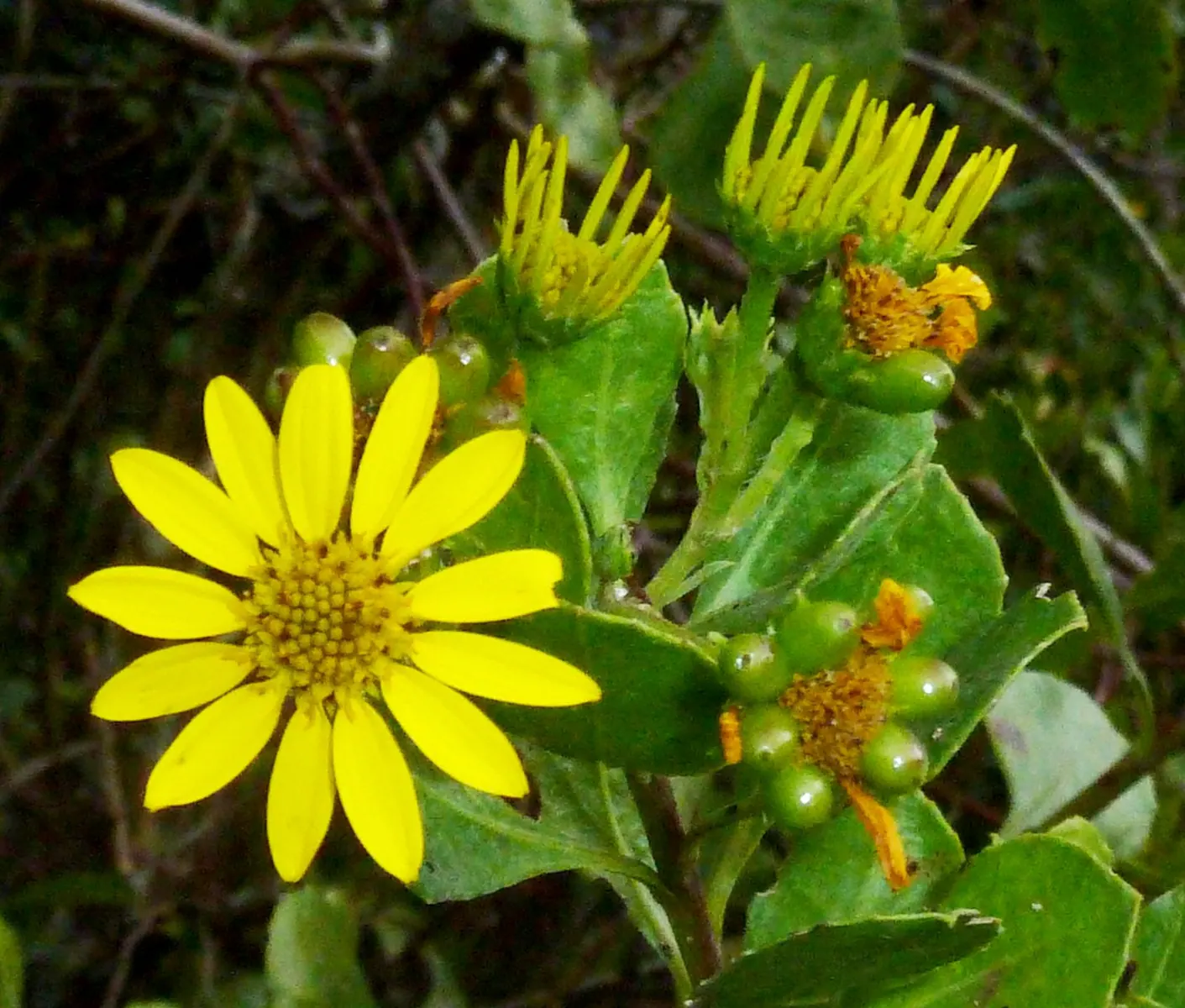
From July to September, strandveld bursts into a riot of color, with daisies, bulbs, vygies, and other annuals appearing among the shrubs. The flowers add to the beauty and uniqueness of this ecosystem, highlighting the importance of conservation efforts to protect strandveld and its inhabitants.
Key points
- Strandveld is a unique and endangered ecosystem found in South Africa's coastal landscape, characterized by tall, hard-leaved evergreen shrubs, succulents, and abundant grasses.
- The ecosystem supports a wide range of plant and animal life, including fruit-eating birds, insects, reptiles, and small mammals.
- Strandveld is critically underprotected, with only a fraction of its original extent formally conserved in reserves.