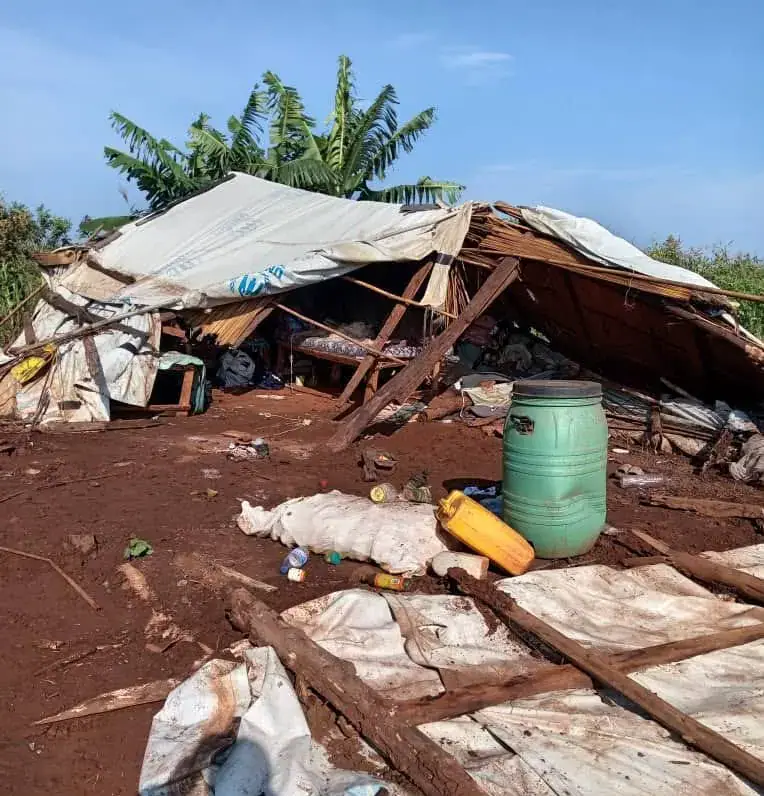
A violent storm hit the Kiryandongo Refugee Settlement in Uganda on November 13, 2026, causing extensive damage to homes and temporary shelters. The storm, which brought heavy rain, strong winds, and high humidity, left many Sudanese refugee families without shelter, exposing them to harsh weather conditions. Mu’tasim Ahmed Mohammed Abu Bakr, a Sudanese refugee leader in Kiryandongo, reported that the storm damaged homes and basic supplies, exacerbating living conditions and increasing humanitarian needs.
The storm's impact was particularly severe on Sudanese refugees, who suffered more damage than some other nationalities living in the settlement. Mu’tasim Ahmed stated that the wind tore away tarpaulins and brought down large sections of makeshift structures, leaving many families without protection from the weather. The damage extended to basic supplies and simple property owned by families, further worsening their living conditions.
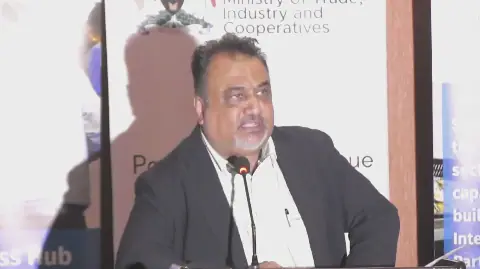
In response to the crisis, Sudanese refugees in Kampala have launched community initiatives to raise funds and provide shelter materials for affected families. These initiatives, which started in the Ambougo and Sita neighbourhoods, have attracted support from Sudanese communities. Abdelaziz Fadl Hassan, head of the Sudanese refugee community in Kawempe, said the initiative aimed to provide tarpaulins to about 100 families whose homes were destroyed.
The community-led initiative has exceeded expectations, securing over 100 tarpaulins, with organisers expecting the number to reach about 200 or more. Sudanese people inside and outside Uganda contributed to the fundraising effort, while communities and neighbourhoods donated tarpaulins. Individuals also made donations in their own names or on behalf of their families. The support has extended beyond shelter materials, with Sudanese donors collecting clothes, shoes, and food, alongside cash contributions.
Despite the community response, the needs of affected families remain greater than the assistance that local initiatives can provide. Mu’tasim Ahmed appealed to international and local organisations and humanitarian agencies to provide tents, durable tarpaulins, and other shelter materials, as well as food and essential supplies. He also called for health measures to reduce the effects of high humidity and difficult weather conditions on residents, particularly children, sick people, and older people.
The Kiryandongo Refugee Settlement has become a major reception centre for Sudanese refugees fleeing the war since April 2023. According to the 2026 Regional Refugee Response Plan for Sudanese refugees, Uganda hosted about 92,700 Sudanese refugees and asylum seekers at the end of 2025, with around 85 per cent, or approximately 78,800 people, living in Kiryandongo.
The fundraising efforts launched by Sudanese refugees in Kampala have provided some immediate support to families affected by the storm. However, the scale of the damage highlights the need for a sustained response from humanitarian organisations and the relevant authorities to ensure that families are not left relying solely on limited community donations or exposed to further harsh weather without adequate shelter.
Key points
- The storm damaged homes and basic supplies, exacerbating living conditions and increasing humanitarian needs for Sudanese refugee families in Uganda.
- Community-led initiatives have provided some immediate support, but the needs of affected families remain greater than the assistance that local initiatives can provide.
- The crisis highlights the need for a sustained response from humanitarian organisations and authorities to ensure that families have adequate shelter and protection from harsh weather conditions.
Reporting sources
- Storm leaves Sudanese refugee families without shelter in Uganda · Radio Dabanga