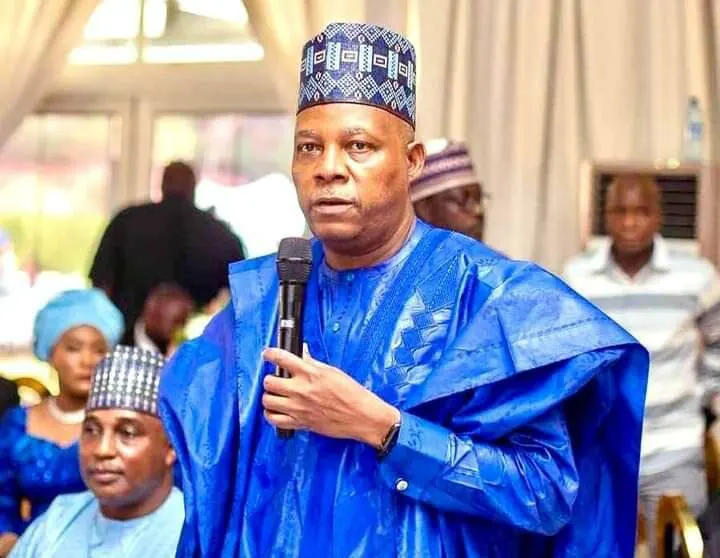
Vice-President Kashim Shettima has called on African countries to stop exporting raw minerals and focus on processing them locally. This, he believes, will create jobs and drive industrial growth in the continent. Shettima made this statement at the Third High-Level Roundtable of the Africa Minerals Strategy Group, AMSG, held on the sidelines of the 81st United Nations General Assembly in New York. The event brought together African governments, investors, and mining industry stakeholders.
The roundtable, themed “From Resources to Wealth: Continental Cooperation for Mineral Value Addition,” aimed to strengthen cooperation among African countries in the mining sector. Shettima emphasized that Africa must process more of its mineral resources locally and build industries around minerals that are increasingly important to the global economy. He believes that the value of Africa’s mineral wealth should ultimately reflect in improved livelihoods for its people.
Shettima urged African countries to move away from exporting raw materials while importing finished products at significantly higher costs. He argued that stronger continental cooperation on mineral governance would improve Africa’s bargaining power and enable the continent to capture more value from global supply chains. This, he believes, will help African countries to benefit from their natural resources.
The Vice-President also urged members of the strategy group to develop bankable projects that could attract investment into mineral processing, manufacturing, and other value-adding activities. He emphasized that such investments should create jobs, promote industrialization, and ensure that mineral-producing communities benefit from the resources extracted from their areas. This will help to promote economic growth and development in the continent.
Nigeria’s Minister of Solid Minerals Development and Chairman of the AMSG, Dele Alake, called for reforms to integrate artisanal miners into the regulated mining sector. Alake believes that governments should distinguish artisanal miners seeking legitimate livelihoods from illegal operators involved in criminal activities. He argued that formalizing artisanal mining could provide miners with safer working conditions, training, equipment, access to finance, and government oversight.
Alake also expressed concern over recurring mine-site collapses across Africa, describing the deaths as evidence of the need for stronger safety standards and regulatory oversight. Kenya’s Cabinet Secretary for Mining, Blue Economy and Maritime Affairs, Hassan Ali Joho, also called for greater sharing of geological and mineral data among African countries. This, he believes, will help to promote cooperation and investment in the mining sector.
The AMSG comprises more than 30 African countries and seeks to strengthen the continent’s collective voice on mineral governance, local processing, and participation in global supply chains. The group aims to promote cooperation and investment in the mining sector, and to ensure that African countries benefit from their natural resources. The Vice-President’s call to action is expected to have a positive impact on the mining sector in Africa.
Key points
- Vice-President Kashim Shettima urges African countries to process minerals locally to create jobs and drive industrial growth.
- The AMSG aims to strengthen the continent’s collective voice on mineral governance, local processing, and participation in global supply chains.
- Formalizing artisanal mining could provide miners with safer working conditions, training, equipment, access to finance, and government oversight.