Health officials in Samburu County, Kenya, have identified a significant gap in the care and treatment of epilepsy patients. According to Nicholas Otieno from the Kenya Association for the Welfare of People Living with Epilepsy (KAWE), there is a lack of awareness about epilepsy in the county, leading to neglect and stigma. This has resulted in many families seeking unorthodox methods to treat the condition, rather than medical care.
Traditional methods of treating epilepsy in Samburu County are often ineffective and sometimes inhumane. Otieno explained that some families burn cowhide on an open flame and feed the ash to the epileptic patient, believing it will cure the condition. However, this and other traditional methods have no medical basis and do not treat the condition. The KAWE representative emphasized that epilepsy is a medical condition that can affect people of all ages and is treatable with proper care.
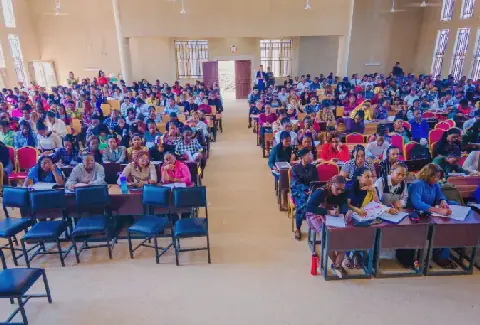
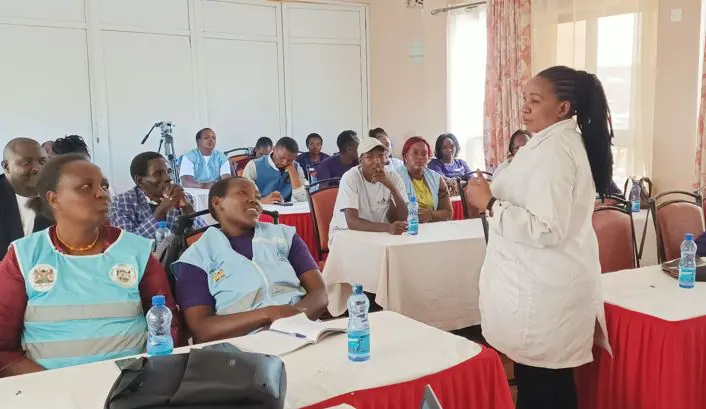
To address the issue, health workers and Community Health Promoters (CHPs) in Samburu County recently underwent a two-day training in Maralal town. The training aimed to equip them with knowledge about epilepsy, its causes, symptoms, and treatment options. Otieno said the training also targets traditional healers, with the aim of equipping them with knowledge so they can refer patients to health facilities.
Samburu County Director for Preventive and Promotive Health, Augustine Lemowonapi, encouraged families to seek medical care for those living with epilepsy. He noted that drugs are available in all 140 health facilities across the county and disclosed that 3,563 cases of epilepsy have been reported in the last three years. Lemowonapi emphasized that epilepsy is treatable and not a family curse.
Community Health Promoters, like Stephen Chodoo from Samburu North, welcomed the initiative, saying there is little information about the disease at village level. Chodoo noted that most patients in the villages are forced to drink concoctions to induce vomiting after experiencing epileptic fits. With the knowledge gained from the training, CHPs will spread the word that epilepsy is not a curse and is treatable.
The training and awareness campaign aim to reduce stigma and encourage patients to seek medical care. By educating CHPs, traditional healers, and the community, health officials hope to improve the reporting and treatment of epilepsy cases in Samburu County. The initiative also seeks to empower local communities to find solutions to local problems.
Key to the success of the initiative is the role of CHPs as foot soldiers in the community. They will help reduce stigma and promote awareness about epilepsy, encouraging families to seek medical care for those affected. By working together, health officials and community leaders hope to improve the lives of people living with epilepsy in Samburu County.
Key points
- Stigma and myths are major obstacles to epilepsy care in Samburu County.
- 3,563 cases of epilepsy have been reported in Samburu County in the last three years.
- Health officials are working to educate communities and promote awareness about epilepsy.